Cajun Chicken Carbonara: The Fusion Recipe Breaking Reddit
A viral Reddit carbonara breaks Italian tradition by adding Cajun-seasoned chicken thighs and pancetta. Here's how to make this fusion dish work at home.
A recent r/food post featuring carbonara with pancetta and Cajun-seasoned chicken thighs sparked the kind of debate that only food Reddit can deliver: purists clutching their Roman recipe cards, adventurous eaters celebrating the mashup, and everyone else wondering if it actually tastes good. Spoiler: when you nail the technique, this Southern-Italian fusion absolutely works. The smoky heat of Cajun spice plays surprisingly well against the rich, creamy egg-and-cheese sauce that defines carbonara, while crispy pancetta and juicy chicken thighs add layers of texture and protein that turn a simple pasta into a full-fledged dinner centerpiece.
This guide walks you through how to build your own Cajun chicken carbonara at home, where the fusion makes sense, what seasonings deliver the best results, and how to avoid the scrambled-egg disaster that haunts first-time carbonara cooks. Whether you're a grilling enthusiast looking to use up leftover chicken or a weeknight cook hunting for a 30-minute showstopper, this dish checks every box.
Why Cajun Seasoning and Carbonara Actually Work Together
Traditional carbonara is a study in restraint: guanciale (cured pork jowl), Pecorino Romano, black pepper, eggs, and pasta. No cream, no garlic, no chicken. The sauce is built entirely from the starchy pasta water emulsifying with egg yolks and cheese, creating a silky coating that clings to every strand of spaghetti.
So why does adding Cajun-spiced chicken work? Because carbonara's richness needs balance. The dish is inherently fatty and savory, with pork fat and cheese delivering wave after wave of umami. A well-seasoned protein with heat and aromatics—paprika, cayenne, garlic powder, onion powder, oregano—cuts through that richness the same way black pepper does in the classic version, but with more complexity and a gentle kick.
Chicken thighs, specifically, bring two advantages. First, they stay moist and tender even if slightly overcooked, unlike breast meat. Second, their higher fat content mirrors the fattiness of guanciale or pancetta, so they integrate into the dish rather than sitting on top like a foreign object. When you char or grill the seasoned thighs, you also introduce a smoky element that echoes the cured pork, tying the whole plate together.
Choosing Your Cajun Seasoning: Store-Bought vs. Homemade
Most Cajun blends share a core lineup: paprika (often smoked), cayenne, garlic powder, onion powder, black pepper, oregano, thyme, and salt. Some add white pepper or a pinch of sugar. The key is balancing heat with savory depth—you want the seasoning to add flavor, not just fire.
If you're building your own blend, start with two tablespoons smoked paprika, one teaspoon cayenne (adjust to taste), one tablespoon garlic powder, one tablespoon onion powder, two teaspoons dried oregano, one teaspoon dried thyme, one teaspoon black pepper, and one teaspoon salt. Mix thoroughly and store in an airtight container. This gives you control over sodium and heat levels, which matters when you're also salting pasta water and using salty pancetta.
Store-bought blends work just as well for weeknight cooking. Look for options that list spices before salt in the ingredient panel, and avoid anything with added sugar or MSG if you prefer a cleaner flavor profile. Many grillers already keep Cajun rubs in rotation for wings, pork chops, and burgers, so this is a natural crossover application.
Ingredient Breakdown: What You Need and Why
Here's your shopping list for four servings of Cajun chicken carbonara:
- 1 pound boneless, skinless chicken thighs – Dark meat is non-negotiable for moisture and flavor.
- 2–3 tablespoons Cajun seasoning – Enough to coat the chicken generously without clumping.
- 6 ounces pancetta, diced – Guanciale is traditional, but pancetta is easier to find and slightly milder, which helps when you're adding seasoned chicken.
- 1 pound spaghetti or bucatini – Long noodles are classic; bucatini's hollow center traps extra sauce.
- 4 large egg yolks plus 1 whole egg – The base of your sauce. Room temperature eggs emulsify more smoothly.
- 1 cup finely grated Pecorino Romano – Sharp, salty, and essential. Parmigiano-Reggiano works but is milder.
- Freshly cracked black pepper – At least one teaspoon, plus more to finish.
- Kosher salt – For pasta water and adjusting seasoning.
- Olive oil – A tablespoon or two for cooking the chicken if needed.
- Fresh parsley (optional) – For garnish and a pop of color.
Step-by-Step: How to Build Cajun Chicken Carbonara
1. Season and Cook the Chicken
Pat the chicken thighs dry with paper towels—moisture is the enemy of a good sear. Rub both sides generously with Cajun seasoning, pressing the spices into the meat. Let the thighs sit at room temperature for 15 minutes while you prep everything else; this allows the seasoning to penetrate and the meat to cook more evenly.
Heat a cast-iron skillet or grill pan over medium-high heat. Add a thin layer of olive oil if your pan isn't well-seasoned. Sear the thighs for 5–6 minutes per side, until the internal temperature hits 165°F and the exterior is deeply browned with crispy edges. If you're grilling outdoors, aim for medium-high direct heat and watch for flare-ups from the fat rendering. Once cooked, transfer the chicken to a cutting board and let it rest for 5 minutes, then slice into bite-sized strips or chunks.
2. Render the Pancetta
While the chicken rests, add the diced pancetta to a large, cold skillet (the same one you used for chicken works if you wipe it out). Turn the heat to medium and let the pancetta slowly render its fat, stirring occasionally. This takes about 6–8 minutes. You want the pieces golden and crispy, with a puddle of flavorful fat in the pan. Do not drain the fat—this is the foundation of your sauce.
3. Boil the Pasta
Bring a large pot of water to a rolling boil. Salt it generously—it should taste like the ocean. Add the spaghetti and cook until just shy of al dente, about 1–2 minutes less than the package directions. Reserve at least two cups of pasta water before draining. This starchy liquid is your emulsifier and your insurance policy against a broken sauce.
4. Prepare the Egg-Cheese Mixture
In a medium bowl, whisk together the egg yolks, whole egg, grated Pecorino, and a generous amount of black pepper. The mixture should be thick and paste-like. Do not add salt yet—the pancetta and cheese are already salty, and you'll adjust at the end. Set this bowl near your stove but not directly over heat.
5. Combine and Emulsify
This is the make-or-break moment. Turn off the heat under the skillet with the pancetta. Add the drained pasta directly to the skillet and toss to coat every strand in the rendered fat. Let the pan cool for 30 seconds—you want it warm, not screaming hot, or the eggs will scramble.
Pour the egg-cheese mixture over the pasta and immediately start tossing with tongs, lifting and turning to coat every noodle. Add pasta water a few tablespoons at a time, continuing to toss. The heat from the pasta and the starch from the water will cook the eggs gently, transforming the mixture into a glossy, creamy sauce that clings to each strand. If it looks too thick, add more pasta water. If it looks too loose, keep tossing—the sauce will tighten as it cools slightly.
6. Fold in the Chicken
Once the sauce reaches the consistency of heavy cream, fold in the sliced Cajun chicken. Toss gently to distribute the meat evenly without breaking up the noodles. Taste and adjust seasoning—if it needs salt, add a pinch; if it needs more heat, crack extra black pepper over the top or dust with a bit more Cajun seasoning.
7. Plate and Serve
Divide the carbonara among four shallow bowls. Finish each serving with a final crack of black pepper, a sprinkle of Pecorino, and a small handful of chopped parsley if you like. Serve immediately—carbonara waits for no one.
Grilling the Chicken: Outdoor Variation
If you're firing up the grill for other dishes, this is a perfect opportunity to add extra smoke and char to your chicken thighs. Preheat your grill to medium-high (around 400–450°F). Season the thighs as directed, then oil the grates lightly to prevent sticking.
Grill the thighs over direct heat for 5–6 minutes per side, rotating once to create crosshatch marks if you're feeling fancy. Use an instant-read thermometer to confirm they've hit 165°F. The Cajun spices will caramelize beautifully on the grill, creating a slightly sweet, deeply savory crust that elevates the entire dish.
For even more depth, consider using a two-zone fire: sear the thighs over high heat for 3 minutes per side to develop crust, then move them to indirect heat to finish cooking through. This prevents the spices from burning while ensuring juicy, fully cooked meat.
Seasoning Swaps and Upgrades
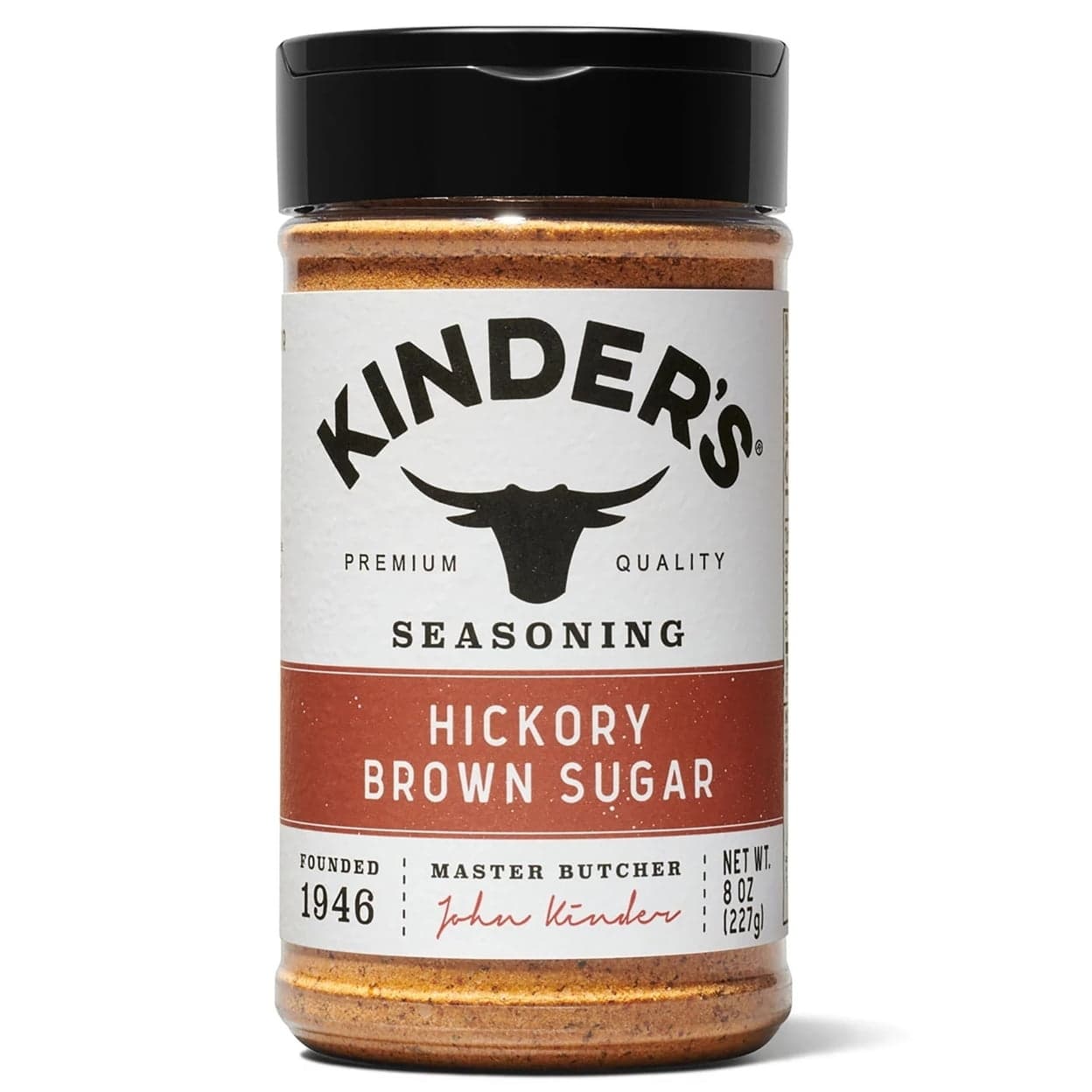
While classic Cajun blends deliver reliable results, experimenting with different seasonings can take this dish in new directions. If you want a bolder, more complex flavor, try Kinder's Hickory Brown Sugar Seasoning. The sweet-smoky profile pairs exceptionally well with pork and chicken, and the hint of brown sugar caramelizes beautifully when seared, adding a subtle glaze to the thighs that contrasts with the creamy carbonara sauce.
For those who prefer a cleaner, more versatile blend, Kinder's Grilled Chicken Seasoning offers a balanced mix of garlic, herbs, and spices without overpowering heat. It's designed specifically for poultry and works seamlessly in this application, especially if you're serving the dish to a crowd with varying spice tolerances.
If you're already a fan of bold, garlicky flavors, Kinder's Woodfired Garlic Seasoning brings roasted garlic notes with a hint of smoke. This turns the dish into a garlic lover's dream and complements the Pecorino's sharpness without competing with it.
Common Mistakes and How to Avoid Them
Scrambled Eggs Instead of Sauce
This is the most common carbonara failure. If your pan is too hot when you add the egg mixture, the proteins will coagulate instantly, leaving you with clumpy scrambled eggs instead of a silky sauce. Always turn off the heat before adding the eggs, and let the pan cool for 30 seconds. The residual heat from the pasta and pan is enough to cook the eggs gently.
Sauce Too Thick or Too Thin
Pasta water is your adjustment lever. If the sauce is too thick and pasty, add water a tablespoon at a time while tossing. If it's too thin and soupy, keep tossing—the sauce will tighten as the pasta absorbs liquid and the temperature drops slightly. Carbonara should coat the noodles like silk, not pool at the bottom of the bowl.
Underseasoned Chicken
Chicken thighs can handle a lot of seasoning. Don't be shy—coat them thoroughly, and remember that much of the spice will stay on the cutting board when you slice. If in doubt, reserve a pinch of Cajun blend to dust over the finished dish.
Using Pre-Grated Cheese
Pre-shredded cheese contains anti-caking agents (usually cellulose) that prevent smooth emulsification. Always grate Pecorino or Parmesan fresh from a block for the best texture.
Pairing Suggestions and Serving Ideas
Cajun chicken carbonara is rich and filling, so pair it with lighter sides that add crunch and acidity. A simple arugula salad dressed with lemon juice and olive oil cuts through the richness beautifully. Garlic bread is tempting but redundant—save the carbs for the pasta. If you must have bread, go for a crusty baguette with a smear of butter rather than anything heavy.
For wine, reach for something with enough acidity to balance the fat. A crisp Italian white like Vermentino or Falanghina works well, as does a light-bodied red like Pinot Noir or Barbera. If you prefer beer, a hoppy IPA or a dry pilsner provides a refreshing contrast.
Meal Prep and Leftovers
Carbonara is best eaten fresh, but you can prep components ahead to speed up weeknight assembly. Cook and slice the chicken up to two days in advance, storing it in an airtight container in the fridge. Render the pancetta and refrigerate it in its own fat—just reheat gently before building the sauce. Grate the cheese and crack the eggs into a bowl, covering tightly with plastic wrap.
Leftovers can be refrigerated for up to two days, though the sauce will thicken and lose some of its silkiness. Reheat gently in a skillet over low heat, adding a splash of water or chicken stock to loosen the sauce. Microwaving works in a pinch but tends to dry out the pasta.
Scaling for a Crowd
This recipe doubles or triples easily, but you'll need to work in batches when combining the pasta and sauce. A 12-inch skillet can handle about one pound of pasta comfortably; any more and you won't have enough surface area to toss and emulsify properly. Cook the pasta in a single large pot, but divide it between two skillets for the final toss with eggs and cheese. Keep the first batch warm in a low oven (200°F) while you finish the second.
Why This Recipe Resonates Right Now
Food Reddit thrives on the tension between tradition and innovation, and this dish walks that line perfectly. It respects the core technique of carbonara—emulsified eggs and cheese, no cream—while acknowledging that home cooks want more protein, more flavor, and more flexibility. The Cajun twist nods to the American South, a region with its own deep food traditions and a love of bold seasoning.
It's also practical. Most home cooks don't have access to guanciale, and many keep Cajun seasoning in the pantry year-round for grilling. Chicken thighs are affordable, forgiving, and universally popular. This recipe meets people where they are, with ingredients they can actually find and techniques they can master on a weeknight.
Take It Further: Other Fusion Carbonara Ideas
Once you've nailed Cajun chicken carbonara, the template opens up a world of fusion possibilities. Swap the chicken for grilled shrimp and season with Old Bay for a Chesapeake-inspired version. Use smoked brisket and Kinder's Whiskey Peppercorn Seasoning for a Texas BBQ carbonara. Try Korean flavors with gochugaru-spiced pork belly and a drizzle of sesame oil. The key is balancing richness with seasoning and ensuring your protein has enough fat and flavor to stand up to the egg-and-cheese sauce.
Final Thoughts: Tradition vs. Taste
There will always be purists who insist carbonara should never stray from its Roman roots. They're not wrong—classic carbonara is a masterpiece of simplicity and technique. But home cooking has always been about adaptation, using what's available and what tastes good. If adding Cajun-spiced chicken to your carbonara makes you excited to cook dinner, makes your family happy, and introduces you to the magic of egg-emulsified sauces, then it's a win.
The beauty of this dish is that it teaches you carbonara fundamentals—temperature control, emulsification, the importance of pasta water—while giving you permission to make it your own. Master the technique here, and you'll have the confidence to tackle the traditional version, or to keep experimenting with new flavors and proteins.
Ready to make your own Cajun chicken carbonara? Grab a quality seasoning blend, fire up your skillet or grill, and get ready to impress yourself. Whether you're a carbonara purist trying something new or a fusion-food enthusiast looking for your next favorite recipe, this dish delivers crispy, creamy, spicy satisfaction in under 40 minutes. Stock up on your favorite seasonings, master the egg-tossing technique, and enjoy the kind of weeknight dinner that tastes like you spent hours in the kitchen—even though you didn't.
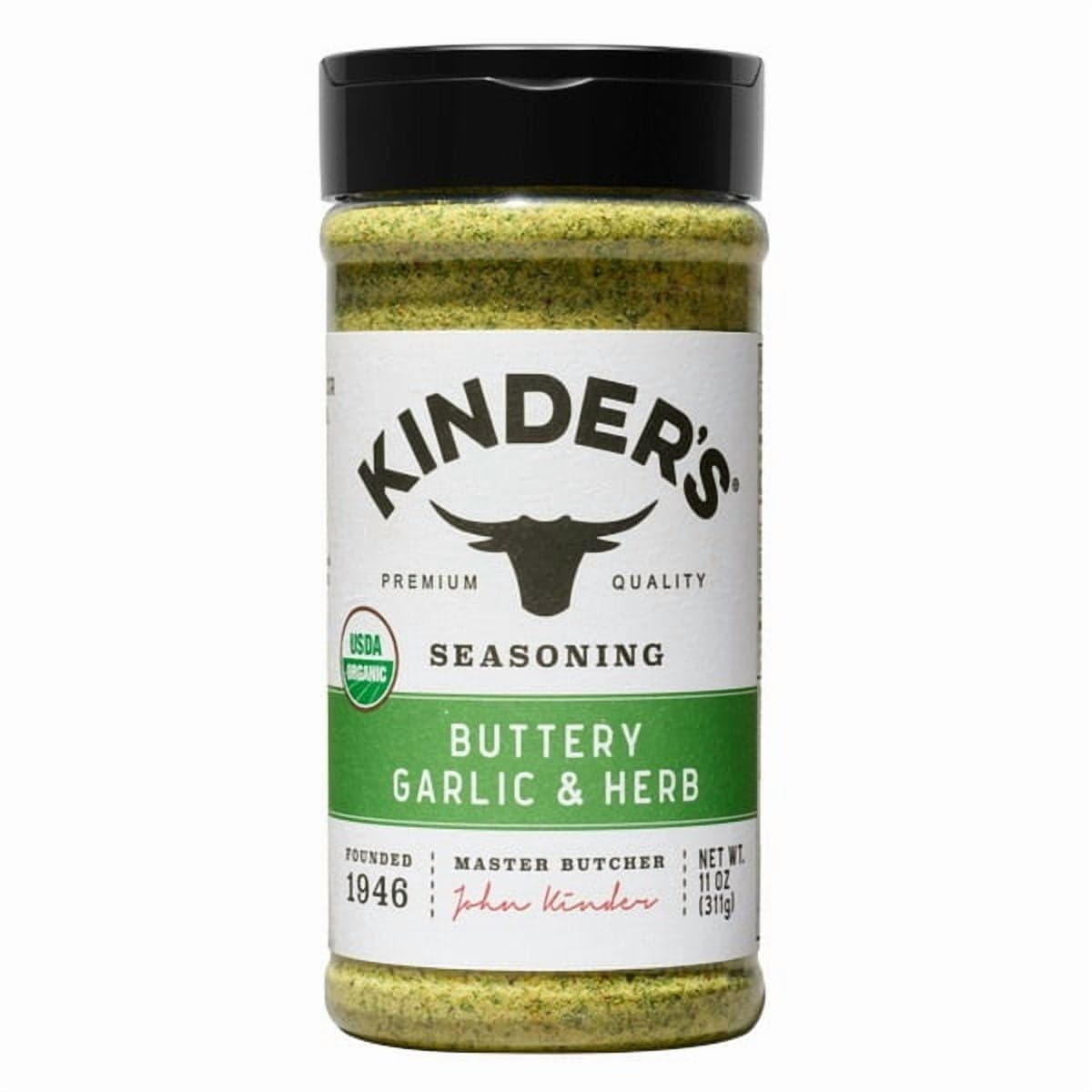
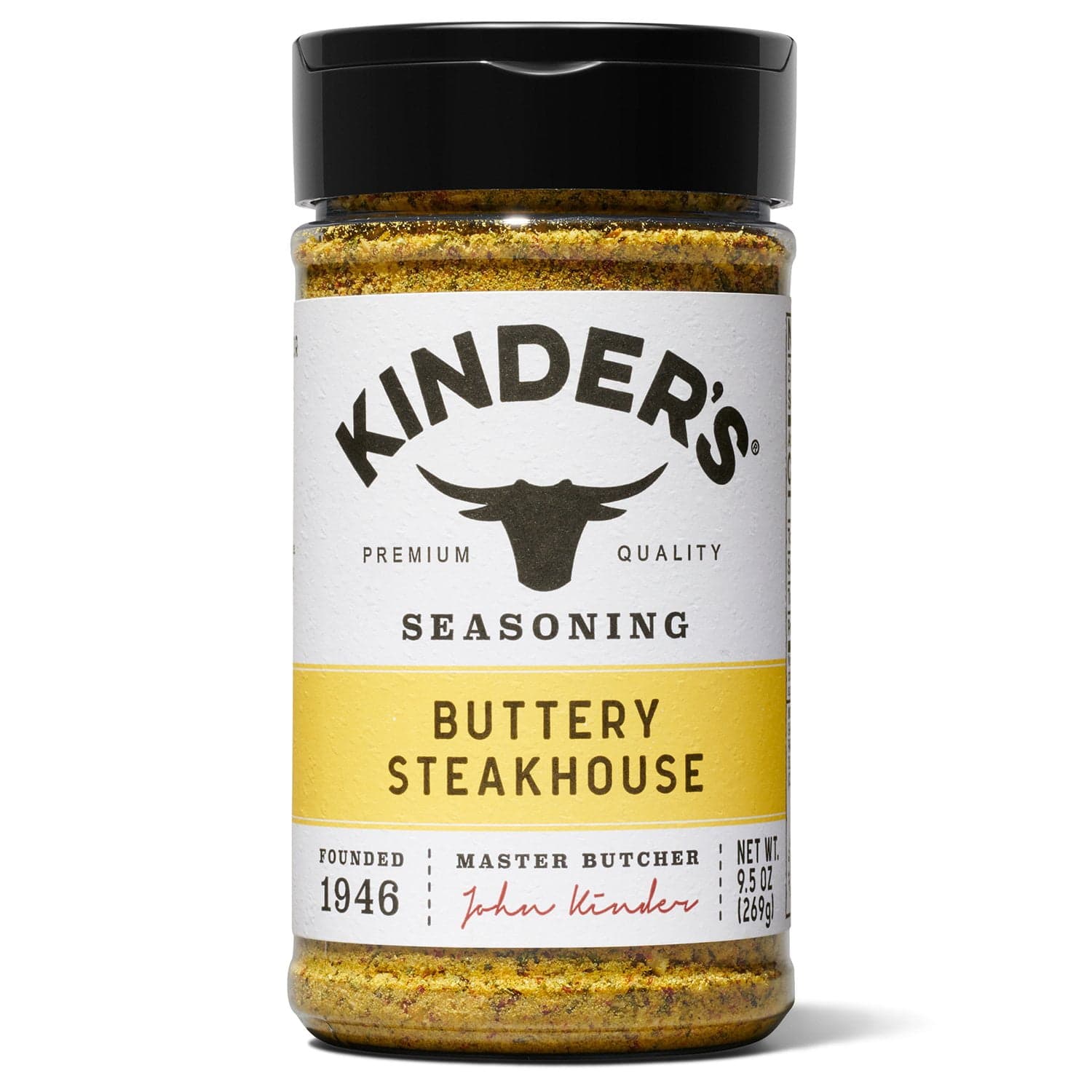
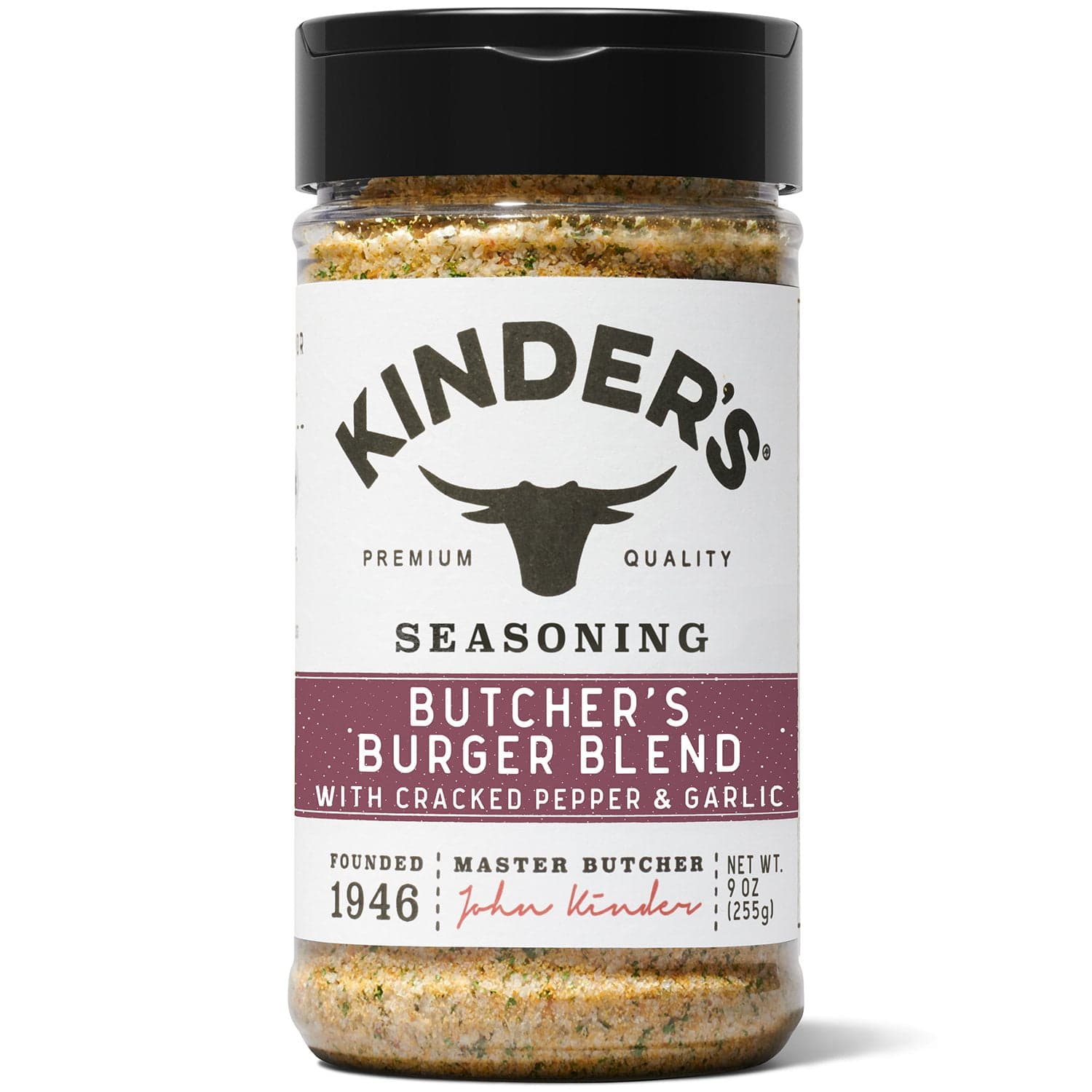
Shop the products mentioned in this article
Free shipping on every order. No minimums, no gimmicks.