Chicken Thighs: What Works, What Doesn't, and How to Cook Them Right
Chicken thighs are affordable, forgiving, and packed with flavor—but only if you cook them right. Here's what works, what fails, and the techniques that deliver crispy skin and juicy meat every time.
Chicken thighs have quietly become the MVP of weeknight cooking. They're more forgiving than breasts, more flavorful than tenderloins, and cost less than both. Yet plenty of home cooks still wrestle with rubbery skin, undercooked centers, or thighs that taste like cardboard. If you've ever wondered why your chicken thighs don't turn out like the ones at your favorite restaurant—or the ones flooding TikTok—this guide breaks down exactly what works, what doesn't, and how to master this cut once and for all.
Why Chicken Thighs Deserve More Respect
Chicken thighs contain more fat and connective tissue than breasts, which means they stay moist even if you accidentally overcook them by a few degrees. That built-in insurance policy makes them ideal for beginners and busy cooks who don't want to babysit a thermometer.
The dark meat also carries seasoning better. The richer flavor profile stands up to bold rubs, marinades, and sauces without disappearing. Whether you're grilling, roasting, or pan-searing, thighs reward aggressive seasoning in a way that bland chicken breast never will.
Price is another factor. Bone-in, skin-on thighs often cost half as much per pound as breasts, and you get more flavor and texture for your money. For anyone cooking on a budget or feeding a crowd, thighs are the smarter play.
Bone-In vs. Boneless: Which One Should You Buy?
This isn't just a convenience question—it changes how you cook and what results you get.
Bone-In, Skin-On Thighs
Bone-in thighs take longer to cook, but the bone conducts heat and helps the meat cook more evenly. The skin, when rendered properly, becomes a crispy, golden shell that's one of the best parts of the dish. Bone-in thighs are your go-to for roasting, grilling, or any method where you want maximum flavor and texture contrast.
The downside? They require more attention. You need to render the fat slowly, get the skin crispy without burning it, and ensure the meat near the bone reaches a safe internal temperature. But the payoff is worth it.
Boneless, Skinless Thighs
Boneless thighs cook faster and are easier to portion. They're perfect for stir-fries, tacos, rice bowls, or any recipe where you want the meat to blend into a larger dish. You lose the crispy skin, but you gain speed and flexibility.
Because they lack the protective bone and fat layer, boneless thighs can dry out if you overcook them—though they're still more forgiving than chicken breasts. A quick sear or a short roast at high heat works best.
What Works: Proven Techniques for Perfect Chicken Thighs
Start with Dry Skin
If you're cooking bone-in, skin-on thighs, moisture is the enemy of crispy skin. Pat the thighs completely dry with paper towels before seasoning. Some cooks go a step further and leave the thighs uncovered in the fridge for a few hours (or overnight) to dry out the skin even more. This step makes a dramatic difference in crispiness.
Season Aggressively
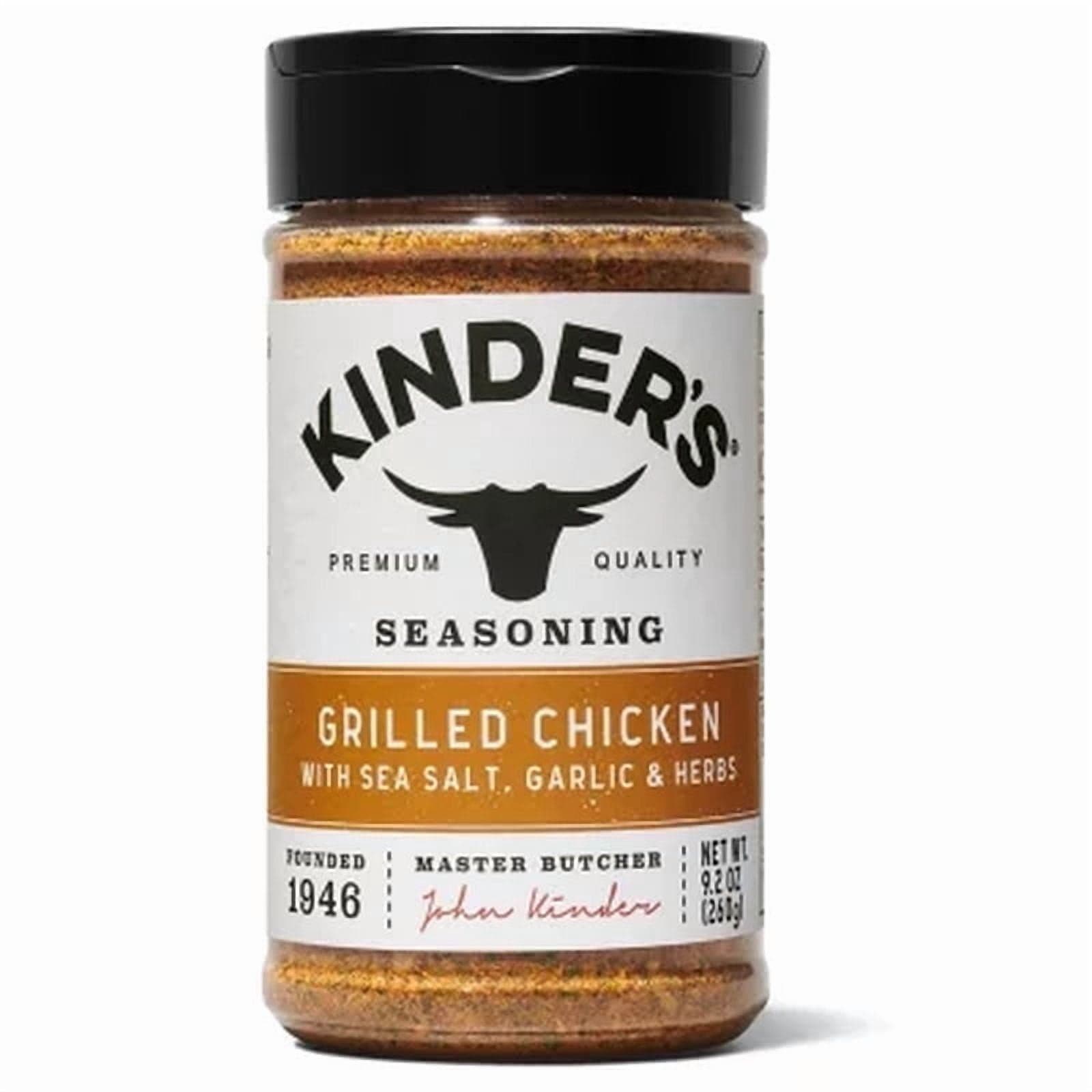
Chicken thighs can handle bold flavors. Don't be shy with salt, and don't stop there. A rub like Kinder's Grilled Chicken Seasoning brings garlic, herbs, and a hint of smoke that pairs perfectly with the richness of dark meat. For something more adventurous, Kinder's Korean BBQ Seasoning adds a sweet-savory punch that works on the grill or in the oven.
Apply seasoning at least 30 minutes before cooking, or up to 24 hours in advance. The salt will penetrate the meat, seasoning it from the inside out and helping it retain moisture.
Render the Fat on the Stovetop First
For bone-in, skin-on thighs, start them skin-side down in a cold or barely warm skillet. Let the pan heat up gradually as the fat renders out. This low-and-slow start melts the fat layer under the skin without burning the outside, giving you crispy, golden skin that isn't greasy.
Once the skin is deeply browned and crisp (usually 8–12 minutes), flip the thighs and finish cooking them in a 400°F oven until the internal temperature hits 175°F. Yes, 175°F—not 165°F. Thighs benefit from the extra heat, which breaks down collagen and makes the meat more tender.
Use High, Direct Heat for Boneless Thighs
Boneless thighs cook fast, so high heat is your friend. A screaming-hot grill, a cast-iron skillet, or a 450°F oven will give you a caramelized crust and juicy interior in 15–20 minutes.
For grilling, oil the grates and cook over direct heat for 4–5 minutes per side, flipping only once. Let the thighs develop a good sear before moving them. For stovetop cooking, sear them in a hot pan with a little oil, then reduce the heat slightly and cook through, about 6–8 minutes per side.
Marinate for Flavor, Not Tenderness
Thighs are already tender, so you're not marinating to break down tough fibers—you're marinating for flavor. Acidic marinades (citrus, vinegar, yogurt) work well, but don't leave the meat in them for more than 4–6 hours or the texture will turn mushy.
For a faster option, use a wet rub or sauce. Toss boneless thighs in a spice blend with a little oil, or brush them with a glaze halfway through cooking. This approach delivers flavor without the wait.
Finish with a Sauce or Glaze
Chicken thighs pair beautifully with sticky, flavorful sauces. Brush on a glaze during the last few minutes of cooking so it caramelizes without burning. Teriyaki, BBQ, honey garlic, or hot sauce-based glazes all work.
If you're grilling, pull the thighs off at 170°F internal temp, brush with sauce, and return them to the grill for 2–3 minutes to set the glaze. This technique gives you a glossy, flavorful finish without a burnt, bitter crust.
What Doesn't Work: Common Mistakes to Avoid
Cooking Thighs Like Chicken Breasts
Thighs and breasts are different animals. Breasts need gentle heat and a quick cook to stay moist. Thighs need higher heat and longer cooking to render fat and break down connective tissue. If you treat thighs like breasts, you'll end up with flabby skin and rubbery meat.
Pulling Them Off Too Early
Thighs are safe to eat at 165°F, but they're not at their best. The collagen hasn't fully melted, the fat isn't rendered, and the texture is chewy. Push the internal temperature to 175°F–180°F for dark meat that's tender and succulent.
Skipping the Dry Brine
Salt is the single most important ingredient for juicy chicken thighs. If you season them right before cooking, the salt sits on the surface and doesn't penetrate the meat. Season at least 30 minutes ahead—preferably a few hours or overnight—and you'll notice a huge difference in flavor and moisture.
Overcrowding the Pan
When you cram too many thighs into a pan or onto a baking sheet, they steam instead of sear. That means soggy skin and pale meat. Leave space between each piece so air can circulate and moisture can evaporate. If you're cooking a large batch, work in batches or use two pans.
Using a Cold Pan for Skin-On Thighs
Dropping cold, wet chicken into a screaming-hot pan causes sticking, tearing, and uneven browning. For skin-on thighs, start with a cold or barely warm pan and let the fat render gradually. For boneless thighs, preheat the pan but make sure the meat is dry and not straight from the fridge.
Forgetting to Rest the Meat
Resting isn't just for steaks. Chicken thighs benefit from a 5-minute rest after cooking, which lets the juices redistribute and makes the meat more tender. Skip this step and you'll lose flavorful juices all over your cutting board.
The Best Cooking Methods for Chicken Thighs
Pan-Roasting (Stovetop to Oven)
This is the gold standard for bone-in, skin-on thighs. Start skin-side down in a cold skillet, render the fat over medium heat until the skin is crispy, then flip and transfer the pan to a 400°F oven. Roast for 15–20 minutes until the internal temp hits 175°F. You get crispy skin, juicy meat, and minimal cleanup.
Grilling
Thighs love the grill. For bone-in thighs, use a two-zone fire: sear over direct heat for 4–5 minutes per side, then move to indirect heat and cook with the lid closed until done. For boneless thighs, stick to direct heat and cook fast—about 4–5 minutes per side.
Season generously before grilling. A rub like Kinder's Roast Chicken Garlic & Herbs adds depth and a subtle smokiness that amplifies the char from the grill.
Oven-Roasting
Roasting thighs at high heat (425°F–450°F) gives you crispy skin and tender meat with almost no hands-on time. Arrange thighs skin-side up on a wire rack set over a baking sheet, season well, and roast for 35–45 minutes until the skin is golden and the internal temp hits 175°F.
For extra flavor, toss halved potatoes, onions, or vegetables on the sheet pan and let them roast in the rendered chicken fat. One-pan dinners don't get much better.
Slow-Cooker and Braising
Thighs hold up beautifully in slow, moist cooking methods. Braise them in a Dutch oven with stock, wine, or coconut milk for fall-apart tender meat. Or throw them in a slow cooker with your favorite sauce and let them cook on low for 6–8 hours.
The downside? You won't get crispy skin. If that matters to you, sear the thighs first in a hot pan, or broil them for a few minutes after slow-cooking to crisp up the exterior.
Air Frying
Air fryers excel at cooking chicken thighs. The circulating hot air renders fat and crisps skin without any oil. For bone-in thighs, cook at 400°F for 22–25 minutes, flipping halfway. For boneless, reduce the time to 12–15 minutes. The results rival oven-roasting with a fraction of the time and energy.
Flavor Pairings and Seasoning Ideas
Chicken thighs are a blank canvas. Here are some of the best flavor directions to explore:
- Classic herb and garlic: Rosemary, thyme, garlic, lemon zest, and olive oil.
- Korean-inspired: Gochujang, sesame oil, soy sauce, ginger, and green onions.
- Smoky BBQ: Paprika, brown sugar, cumin, chili powder, and a finishing brush of BBQ sauce.
- Mediterranean: Oregano, lemon, garlic, olives, and cherry tomatoes.
- Teriyaki glaze: Soy sauce, mirin, sake, ginger, and a touch of honey.
- Spicy Cajun: Cayenne, paprika, thyme, garlic powder, and black pepper.
For a versatile everyday seasoning that works on thighs, try Kinder's The Blend—a simple but effective mix of salt, pepper, and garlic that enhances the natural flavor of the meat without overwhelming it.
Recipe Ideas to Try This Week
Crispy Pan-Roasted Thighs with Lemon and Herbs
Pat four bone-in, skin-on thighs dry. Season with salt, pepper, and your favorite herb blend. Start skin-side down in a cold skillet, render the fat over medium heat for 10 minutes, flip, and transfer to a 400°F oven. Roast for 18–20 minutes. Finish with a squeeze of fresh lemon juice.
Korean BBQ Grilled Thighs
Marinate boneless thighs in soy sauce, sesame oil, grated ginger, minced garlic, and a spoonful of brown sugar for 2–4 hours. Grill over direct heat for 4–5 minutes per side. Brush with extra marinade (boiled first to kill bacteria) during the last minute. Serve over rice with pickled vegetables and sesame seeds.
Sheet-Pan Thighs with Roasted Vegetables
Toss bone-in thighs with olive oil, salt, pepper, and garlic powder. Arrange on a wire rack over a sheet pan. Surround with baby potatoes, carrots, and onions tossed in the same seasoning. Roast at 425°F for 40–45 minutes. The vegetables soak up the rendered chicken fat and turn crispy and golden.
Honey Garlic Glazed Thighs
Season boneless thighs with salt and pepper. Sear in a hot skillet for 5 minutes per side. In the same pan, add minced garlic, honey, soy sauce, and a splash of vinegar. Return the thighs to the pan, spoon the sauce over them, and simmer for 3–4 minutes until the glaze thickens and coats the meat.
Slow-Cooker Teriyaki Thighs
Place boneless thighs in a slow cooker with soy sauce, brown sugar, garlic, ginger, and a splash of rice vinegar. Cook on low for 6 hours. Shred the meat, return it to the sauce, and serve over rice with steamed broccoli and sesame seeds.
Frequently Asked Questions
Do I Need to Remove the Skin?
Only if you prefer skinless chicken or you're using a cooking method that won't crisp it (like slow-cooking). Otherwise, leave it on. The skin protects the meat, adds flavor, and becomes delicious when cooked properly.
Can I Cook Frozen Chicken Thighs?
You can, but you shouldn't. Frozen thighs won't brown properly, they release excess moisture, and they cook unevenly. Thaw them in the fridge overnight for best results.
How Do I Know When They're Done?
Use an instant-read thermometer. Insert it into the thickest part of the thigh without touching bone. Pull them at 175°F–180°F for the best texture. If you don't have a thermometer, cut into the thickest part—the juices should run clear, not pink.
Why Is My Skin Rubbery?
Moisture and low heat are the culprits. Dry the skin thoroughly before cooking, and use high enough heat to render the fat and crisp the skin. Starting in a cold pan and slowly heating it also helps.
Can I Use the Same Seasoning I Use for Chicken Breasts?
Absolutely. But thighs can handle more aggressive flavors, so don't be afraid to go bolder. Spicy rubs, sweet glazes, and strong aromatics all work beautifully.
Why Chicken Thighs Beat Breasts for Most Home Cooks
Chicken breasts require precision. Overcook them by five degrees and they turn dry and stringy. Thighs forgive mistakes. They stay juicy even if you overshoot the target temp. They carry flavor better. They cost less. And when cooked right, they're more interesting to eat.
For weeknight dinners, meal prep, grilling, or feeding a crowd, thighs are the smarter choice. Once you learn how to handle them—dry skin, aggressive seasoning, proper rendering, and higher finish temps—you'll rarely go back to breasts.
Final Thoughts
Chicken thighs are one of the most versatile, affordable, and forgiving proteins you can cook. Whether you're pan-roasting them for crispy skin, grilling them for smoky char, or slow-cooking them for fall-apart tenderness, the key is understanding what works and what doesn't.
Dry the skin. Season early and boldly. Render the fat slowly. Cook to 175°F. Rest before serving. Follow those rules and you'll turn out restaurant-quality thighs every time.
Ready to level up your chicken game? Grab a bottle of Kinder's Grilled Chicken Seasoning or Kinder's Korean BBQ Seasoning and put these techniques to work. Your weeknight dinners just got a whole lot better.
Shop the products mentioned in this article
Free shipping on every order. No minimums, no gimmicks.