Creamy Noodles for Beginners: 6 Fool-Proof Recipes to Start
Creamy noodles are the gateway to confident home cooking. These beginner-friendly recipes use simple ingredients and bold seasonings to deliver restaurant-worthy bowls in under 30 minutes.
Creamy noodles might be the most forgiving dish in the home cooking playbook. They're quick, they're adaptable, and they hide mistakes beautifully under a blanket of sauce. If you're new to cooking or just looking for weeknight wins that don't require a culinary degree, mastering a few creamy noodle formulas will give you confidence in the kitchen and dinner on the table in less time than delivery takes.
The beauty of creamy noodle dishes is their flexibility. You can start with butter and garlic, add cream or coconut milk, toss in whatever protein or vegetables you have on hand, and finish with a bold seasoning that ties it all together. The result feels indulgent, tastes complex, and requires almost zero technical skill. Let's break down exactly how to build creamy noodles from scratch, plus six beginner-proof recipes that actually work.
Why Creamy Noodles Are Perfect for New Cooks
When you're learning to cook, you need dishes that offer immediate gratification without punishing small mistakes. Creamy noodles check every box. Overcooked your pasta by a minute? The sauce will compensate. Forgot to salt your water? Season aggressively at the end. Used pre-shredded cheese instead of fresh Parmesan? It'll still taste good.
Unlike dishes that demand precise timing or advanced techniques, creamy noodles operate on a simple principle: fat plus starch plus seasoning equals comfort. The starchy pasta water emulsifies with butter or oil to create a silky coating. Cream, coconut milk, or even just pasta water can serve as your liquid base. And bold seasonings—the kind that do the heavy lifting for you—transform the dish from bland to memorable with zero extra effort.
This is also why creamy noodles have become a staple of cooking TikTok and Reddit's r/food community. They photograph well, they're endlessly customizable, and they prove you don't need a culinary school education to make something delicious. The post that inspired this guide—a humble plate of creamy noodles shared by a self-proclaimed beginner—captured exactly that spirit. It's not about perfection. It's about getting in the kitchen and making something that tastes good.
The Basic Formula: How to Build Any Creamy Noodle Dish
Before we get to specific recipes, let's establish the framework. Every creamy noodle dish follows the same basic structure, and once you understand it, you can improvise with whatever's in your pantry.
Step 1: Cook Your Noodles
Boil salted water—about a tablespoon of kosher salt per gallon—and cook your pasta until it's just shy of al dente. This usually means one minute less than the package instructions. Before you drain, reserve at least one cup of the starchy pasta water. This liquid is your secret weapon for building silky, cohesive sauces.
Step 2: Build Your Fat Base
While the pasta cooks, heat butter, olive oil, or sesame oil in a large skillet over medium heat. Add aromatics—garlic, shallots, ginger, or scallions—and cook until fragrant, about 60 to 90 seconds. Don't let the garlic burn or it will turn bitter.
Step 3: Add Your Cream Component
This is where the "creamy" happens. You can use heavy cream, half-and-half, coconut milk, cream cheese, sour cream, or even a combination. For a lighter option, skip the dairy entirely and rely on pasta water and butter to create a glossy emulsion.
Step 4: Season Aggressively
This is where beginner cooks often fall short. Underseasoned food tastes flat no matter how good your technique is. Use salt, pepper, and a bold seasoning blend to add complexity without extra work. A garlic-forward blend or a savory seasoned salt can transform a simple dish into something that tastes like you spent hours on it.
Step 5: Toss and Emulsify
Add the drained pasta to the skillet along with a splash of pasta water. Toss everything together over low heat, adding more pasta water as needed until the sauce clings to the noodles without pooling at the bottom of the pan. The starches in the pasta water help bind the fat and liquid into a smooth, glossy coating.
Step 6: Finish and Serve
Top with fresh herbs, grated cheese, a drizzle of good olive oil, or a squeeze of lemon. If you want extra richness, stir in a pat of cold butter at the very end. Serve immediately—creamy pasta waits for no one.
Six Beginner-Friendly Creamy Noodle Recipes
Now that you understand the formula, here are six specific recipes that work every time. Each one is designed for someone who's new to cooking, with minimal ingredients and zero fussy techniques.
1. Garlic Butter Noodles with Parmesan
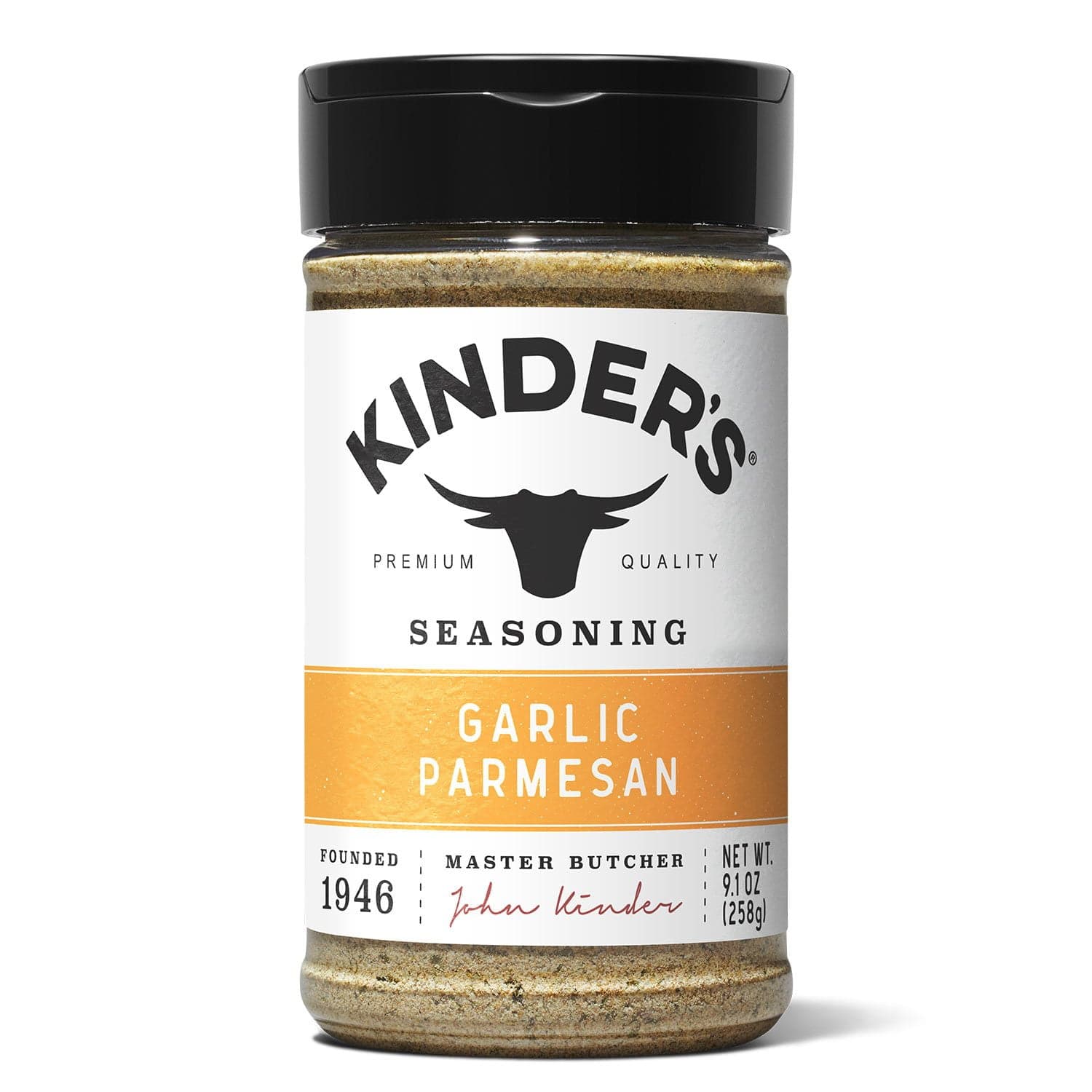
This is the simplest version and the best place to start. Cook 12 ounces of spaghetti or fettuccine. In a large skillet, melt 4 tablespoons of butter over medium heat. Add 4 cloves of minced garlic and cook until fragrant, about 90 seconds. Add the drained pasta, a half cup of pasta water, and 2 tablespoons of Kinder's Garlic Parmesan Seasoning. Toss until the noodles are glossy and coated. Finish with more Parmesan, black pepper, and a handful of chopped parsley.
This dish teaches you the basics of emulsification—how fat, starch, and heat work together to create a cohesive sauce. The Garlic Parmesan seasoning adds depth and umami without requiring you to grate fresh cheese or measure out multiple spices.
2. Creamy Lemon Herb Pasta
Cook 12 ounces of linguine or angel hair. In a skillet, melt 3 tablespoons of butter and add 3 cloves of minced garlic. Once fragrant, add 1 cup of heavy cream and bring to a gentle simmer. Stir in 2 tablespoons of Kinder's Lemon Butter Dill Seasoning, then add the drained pasta and a splash of pasta water. Toss until creamy and well-coated. Finish with lemon zest and fresh dill if you have it.
The bright, herbaceous flavor of lemon and dill cuts through the richness of the cream, making this dish feel lighter and more elegant than it actually is. It's a great option for beginner cooks who want to impress without breaking a sweat.
3. One-Pan Chicken Alfredo
Season 1 pound of boneless, skinless chicken thighs with salt, pepper, and a generous coating of Kinder's Roast Chicken Garlic & Herbs. Sear in a hot skillet with a little olive oil until golden and cooked through, about 5 minutes per side. Remove and slice. In the same pan, add 2 tablespoons of butter and 4 cloves of minced garlic. Add 1 cup of heavy cream and bring to a simmer. Stir in 12 ounces of cooked fettuccine, a half cup of pasta water, and a handful of grated Parmesan. Toss until creamy, then top with the sliced chicken.
This recipe proves you can make a restaurant-quality Alfredo at home with just a few ingredients and one pan. The roasted chicken seasoning does double duty, flavoring both the protein and the pasta.
4. Spicy Korean Cream Noodles
Cook 12 ounces of udon or thick spaghetti. In a large skillet, heat 2 tablespoons of sesame oil and sauté 3 cloves of minced garlic and 1 tablespoon of grated ginger. Add 1 cup of heavy cream and 2 to 3 tablespoons of Kinder's Sweet & Spicy Korean Wing Sauce. Stir until smooth, then add the drained noodles and toss. Finish with sliced scallions, sesame seeds, and a drizzle of extra sauce.
This fusion take on creamy noodles brings together the richness of cream with the funky, sweet heat of Korean barbecue flavors. It's bold, it's different, and it requires zero special ingredients beyond the sauce.
5. Creamy Bacon and Pea Pasta
Cook 12 ounces of penne or rigatoni. In a skillet, cook 6 slices of bacon until crispy, then remove and chop. Pour off most of the fat, leaving about 2 tablespoons in the pan. Add 3 cloves of minced garlic and cook until fragrant. Add 1 cup of heavy cream and 1 cup of frozen peas. Simmer for 3 minutes, then add the drained pasta, a splash of pasta water, and the chopped bacon. Toss until creamy. Season with salt, pepper, and a tablespoon of Momofuku Savory Seasoned Salt for extra umami.
This dish is classic comfort food with a savory, smoky backbone. The peas add a pop of sweetness and color, and the seasoned salt amplifies every other flavor in the pan.
6. Coconut Curry Noodles
Cook 12 ounces of rice noodles or ramen. In a skillet, heat 1 tablespoon of vegetable oil and sauté 3 cloves of minced garlic and 1 tablespoon of grated ginger. Add 1 can of full-fat coconut milk and 1 to 2 tablespoons of curry paste (red or yellow). Stir until smooth, then add the drained noodles and toss. Finish with lime juice, cilantro, and crushed peanuts.
This is your gateway to Thai and Southeast Asian flavors. The coconut milk provides the creaminess, and the curry paste does all the seasoning work for you. It's aromatic, rich, and completely beginner-friendly.
Common Mistakes (and How to Avoid Them)
Even though creamy noodles are forgiving, there are a few pitfalls that trip up new cooks. Here's what to watch out for.
Not Salting the Pasta Water
Your pasta water should taste like the ocean. If you skip the salt, your noodles will be bland no matter how much you season the sauce. Add at least a tablespoon of kosher salt to a large pot of water.
Letting the Garlic Burn
Burnt garlic is bitter and acrid. Cook it over medium heat just until it's fragrant and golden, about 60 to 90 seconds. If you're nervous, add the garlic after you've added the cream so it doesn't have a chance to scorch.
Draining the Pasta Without Reserving Water
Pasta water is liquid gold. The starches help emulsify the sauce and prevent it from breaking. Always reserve at least a cup before you drain.
Using Pre-Grated Cheese in Hot Sauce
Pre-shredded cheese contains anti-caking agents that can make your sauce gritty. If you're adding Parmesan or other hard cheese, grate it fresh or stir it in off the heat to avoid clumping.
Oversaucing
The sauce should cling to the noodles, not pool at the bottom of the bowl. Start with less liquid than you think you need and add more pasta water gradually as you toss.
Scaling Up, Meal Prep, and Leftovers
Creamy noodles are best eaten fresh, but with a few tricks, you can meal prep components or reheat leftovers without sacrificing texture.
Make the Sauce Ahead
You can prepare the cream sauce base up to two days in advance. Store it in the fridge, then reheat gently and toss with freshly cooked pasta when you're ready to eat.
Cook Pasta in Batches
If you're feeding a crowd, cook your pasta in batches and keep it warm in a large bowl tossed with a little olive oil. When it's time to serve, reheat each portion in the skillet with the sauce.
Reheat with Pasta Water or Cream
Leftover creamy pasta tends to dry out as the noodles absorb the sauce. When reheating, add a splash of water, broth, or cream to loosen things up. Reheat gently in a skillet over low heat, stirring frequently.
Building Confidence in the Kitchen
The real lesson behind creamy noodles isn't just about cooking pasta—it's about learning to trust yourself in the kitchen. When you understand the basic principles of how fat, liquid, and starch interact, you stop relying on recipes as rigid instructions and start treating them as flexible frameworks.
Start with one of the recipes above. Make it a few times until it feels easy. Then experiment. Swap the protein. Use a different seasoning. Try coconut milk instead of cream. Add vegetables. The more you cook, the more you'll develop an instinct for what works, and the less intimidating the kitchen will feel.
Cooking isn't about perfection. It's about getting in there, making something edible, and improving a little bit each time. Creamy noodles are one of the best ways to build that momentum because the margin for error is wide, the results are delicious, and the confidence boost is real.
Tips for Leveling Up Your Creamy Noodles
Once you've mastered the basics, here are a few simple upgrades that make your creamy noodles feel more restaurant-worthy without adding much complexity.
- Finish with fresh herbs: A handful of chopped basil, parsley, cilantro, or dill adds brightness and makes the dish look more intentional.
- Add a squeeze of acid: A little lemon juice, lime juice, or a splash of vinegar at the end cuts through the richness and balances the flavors.
- Toast your garlic in butter: Instead of just sautéing garlic, let it turn golden and nutty in the butter for a deeper, more complex flavor.
- Use umami boosters: A spoonful of miso paste, a dash of soy sauce, or a sprinkle of seasoned salt can add savory depth without extra ingredients.
- Top with texture: Toasted breadcrumbs, crushed red pepper, sesame seeds, or crispy shallots add crunch and visual interest.
- Stir in a pat of cold butter at the end: This classic French technique, called "mounting" the sauce, makes it glossier and richer.
Why Bold Seasonings Matter for Beginners
One of the biggest differences between beginner cooking and confident cooking is seasoning. New cooks tend to undersalt and under-season, which results in food that tastes flat even if the technique is solid. This is where pre-blended seasonings become invaluable.
Instead of fumbling with five different spices, a well-made seasoning blend gives you layers of flavor in one shake. Garlic, herbs, umami, and salt all come together in balanced proportions, so you don't have to guess. For creamy noodles, this means you can go from bland to bold in seconds without any culinary training.
Whether you're using a garlic Parmesan blend, a lemon herb seasoning, or a savory seasoned salt, these blends do the heavy lifting. They make you look like a better cook than you are—and that confidence translates into more time in the kitchen and better meals overall.
Weeknight Wins: Why Creamy Noodles Belong in Your Rotation
If you're juggling work, family, and the mental load of deciding what's for dinner every night, creamy noodles are a lifesaver. They cook faster than most takeout arrives. They use pantry staples and whatever protein or vegetables you have on hand. And they feel indulgent enough to satisfy everyone at the table without requiring you to spend an hour prepping.
Keep a few boxes of pasta, a carton of heavy cream or coconut milk, butter, garlic, and a couple of versatile seasonings in your pantry, and you'll always have a 20-minute dinner option that doesn't feel like settling. Add rotisserie chicken, frozen shrimp, or sautéed mushrooms for protein. Toss in spinach, peas, or broccoli for vegetables. The formula stays the same, but the dish never gets boring.
Final Thoughts: Don't Judge, Just Cook
The Reddit post that inspired this guide came with a disclaimer: "I'm new to cooking, so don't judge." But here's the truth—no one who loves food is judging you for trying. The fact that you're in the kitchen making something from scratch already puts you ahead of most people. Creamy noodles are delicious, approachable, and endlessly customizable, which makes them the perfect starting point for anyone learning to cook.
Whether you're making a simple garlic butter version or experimenting with Korean fusion flavors, the goal is the same: get comfortable in the kitchen, build your confidence, and make something that tastes good. Start with one of the recipes above, lean on bold seasonings to do the heavy lifting, and don't be afraid to make mistakes. Every great cook started exactly where you are now—with a pot of boiling water and the willingness to try.
Ready to level up your creamy noodle game? Stock your pantry with versatile seasonings that make every dish taste better, and start building the kind of weeknight dinner confidence that keeps you out of the takeout line. Browse our collection of bold, restaurant-quality seasonings and sauces, and find the flavors that make cooking feel easy—and delicious.
Shop the products mentioned in this article
Free shipping on every order. No minimums, no gimmicks.