Kinder's Cowboy Butter vs Buttery Steakhouse: Which One Wins?
Kinder's Cowboy Butter and Buttery Steakhouse are two of the brand's most popular seasonings, but they're built for different jobs. Here's how to pick the right one.
Kinder's has built a cult following around their buttery, garlic-forward seasonings, and two blends keep showing up in the same conversation: Cowboy Butter and Buttery Steakhouse. Both promise rich, restaurant-quality flavor straight from the bottle, but they're not interchangeable. If you've been stuck choosing between them at checkout—or wondering why your steak didn't turn out like the TikTok video—this breakdown will clear it up.
We'll walk through flavor profiles, best uses, ingredient differences, and real-world cooking applications so you can stock the right bottle (or both) for your kitchen.
What Is Cowboy Butter Seasoning?
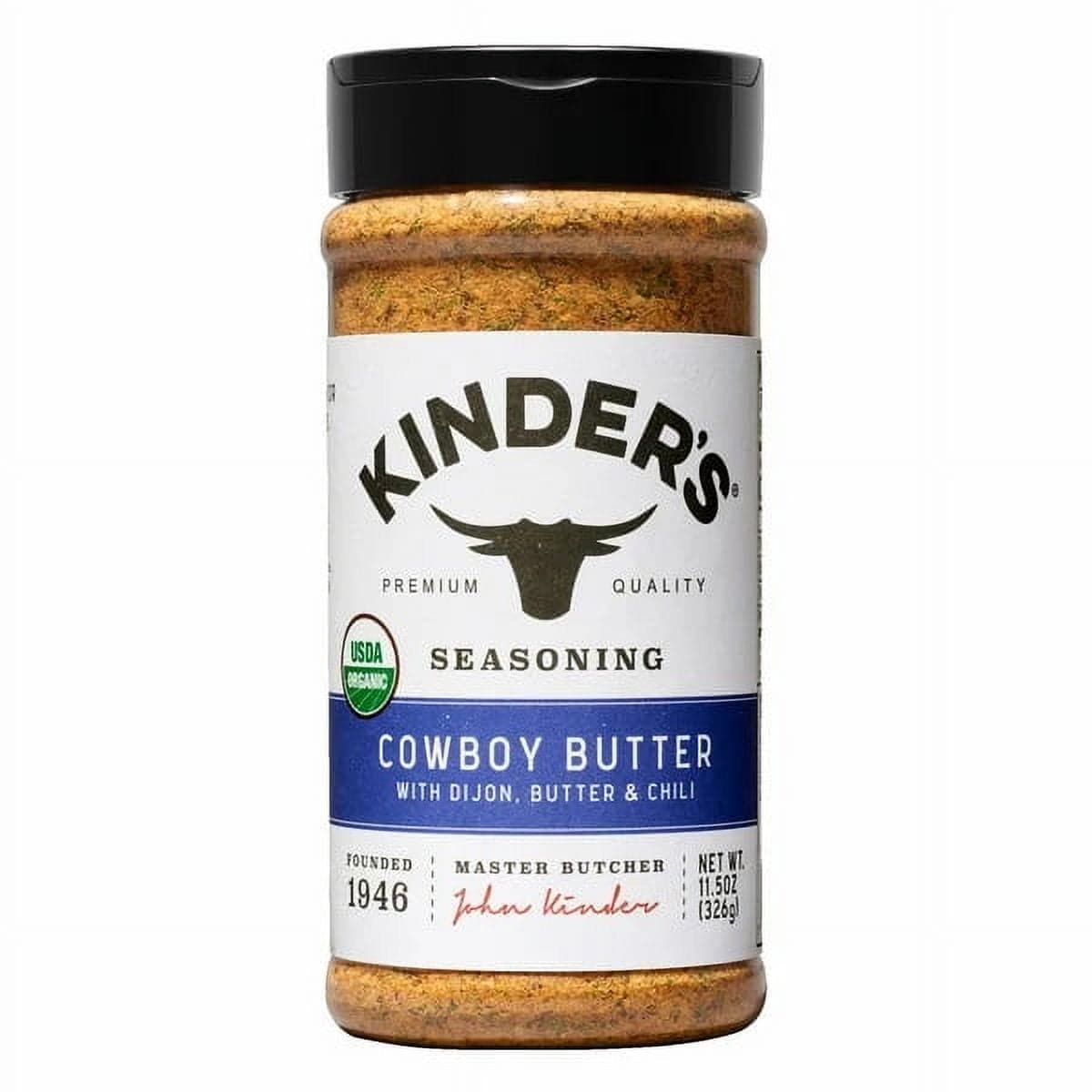
Cowboy butter started as a viral compound butter recipe—softened butter whipped with garlic, lemon, Dijon, fresh herbs, and a kick of red pepper flakes. It's tangy, herbaceous, and ridiculously versatile. Kinder's took that concept and turned it into a shelf-stable seasoning blend that delivers the same punchy, herb-forward profile without the prep work.
Kinder's Organic Cowboy Butter Seasoning leans heavily on garlic, onion, parsley, dill, and a citrusy brightness. The organic certification means cleaner ingredient sourcing, and the flavor is noticeably brighter and more complex than a standard garlic salt. It's designed to mimic melted herb butter, so it shines on anything that benefits from a buttery, aromatic finish.
Flavor Profile: Bright, Tangy, Herbaceous
The first thing you taste is garlic and lemon, followed by a wave of fresh herbs. There's a slight heat on the back end, but it's mild—closer to a tingle than a burn. The salt level is moderate, and the savory-tangy balance makes it craveable without being one-note.
Think of it as the seasoning equivalent of a chimichurri or a lemon-herb pan sauce. It's assertive enough to stand alone but won't bulldoze delicate proteins or vegetables.
Best Uses for Cowboy Butter
- Grilled shrimp or lobster tails: The lemon and dill mirror classic seafood pairings.
- Roasted vegetables: Toss potatoes, Brussels sprouts, or asparagus in olive oil and Cowboy Butter before roasting.
- Corn on the cob: Roll grilled or boiled corn in melted butter, then dust with Cowboy Butter for an instant upgrade.
- Pasta and rice: Stir into hot pasta water or freshly cooked rice for a quick garlic-herb side.
- Chicken thighs: Season skin-on thighs before grilling or baking for crispy, herb-crusted skin.
- Garlic bread: Mix into softened butter, spread on baguette slices, and broil until golden.
Cowboy Butter is the more versatile of the two. It works across proteins, sides, and even as a finishing sprinkle on popcorn or scrambled eggs. The herb-forward flavor makes it a natural fit for lighter dishes where you want brightness and aromatics without heaviness.
What Is Buttery Steakhouse Seasoning?
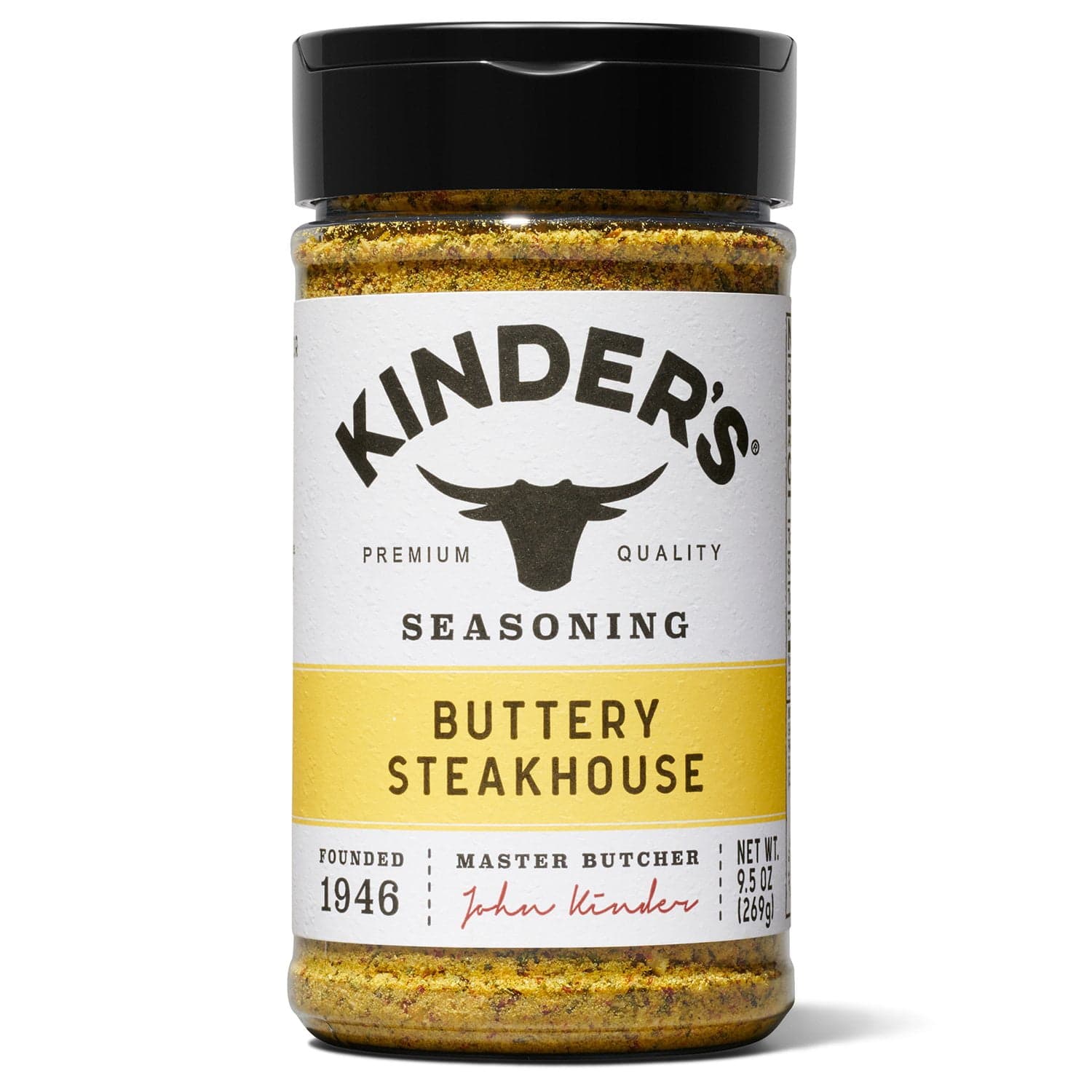
Kinder's Buttery Steakhouse Seasoning is built for one thing: making beef taste like it came from a high-end steakhouse. It's rich, savory, and unapologetically bold. Where Cowboy Butter plays with herbs and citrus, Buttery Steakhouse doubles down on umami, salt, and that unmistakable "char and butter" flavor you get from a perfectly seared ribeye.
This blend uses a base of salt, garlic, onion, and butter powder, plus a proprietary mix of spices that create a deep, caramelized crust when exposed to high heat. It's designed to enhance—not mask—the natural flavor of beef, but it's aggressive enough to stand up to thick cuts and high-fat marbling.
Flavor Profile: Rich, Savory, Umami-Driven
Buttery Steakhouse hits you with salt and butter first, followed by roasted garlic and onion. There's a subtle sweetness that helps with caramelization, and the finish is clean and beefy. It's less complex than Cowboy Butter—by design. You're not looking for herb notes or citrus here. You want depth, richness, and a crust that cracks under a steak knife.
The butter powder gives it a creamy, almost velvety mouthfeel, even though you're just sprinkling on a dry rub. It mimics the experience of basting a steak in melted butter without the mess.
Best Uses for Buttery Steakhouse
- Ribeye, New York strip, or filet mignon: This is its natural habitat. Season generously, let it sit for 20 minutes, then sear hard.
- Smash burgers: Sprinkle on the griddle right before smashing for a crispy, buttery crust.
- Prime rib: Coat the entire roast and let it form a bark in the oven.
- Grilled pork chops: Works beautifully on thick-cut bone-in chops.
- Baked or mashed potatoes: Stir into mashed potatoes or sprinkle over baked potato halves with sour cream.
- Cast-iron skillet steaks: The high heat amplifies the caramelization and brings out the umami.
Buttery Steakhouse is less adaptable than Cowboy Butter, but that's not a weakness. It's laser-focused on making red meat and hearty sides taste expensive. If you're cooking steak more than once a week, this is the bottle that earns a permanent spot next to your grill.
Ingredient Breakdown: What's Actually Inside
Both seasonings share a garlic-and-butter foundation, but the supporting cast is completely different.
Cowboy Butter Ingredients
Kinder's Organic Cowboy Butter lists sea salt, garlic, onion, parsley, dill, lemon peel, red pepper, and spices. The organic label means no artificial flavors, no MSG, and no fillers. The lemon peel and dill are the standout ingredients—they're what give it that fresh, bright character.
Because it's organic, the flavor is a touch cleaner and less salty than some of Kinder's non-organic blends. You can use it more liberally without oversalting, which makes it ideal for finishing dishes or seasoning vegetables.
Buttery Steakhouse Ingredients
Buttery Steakhouse uses salt, garlic, onion, butter powder, sugar, black pepper, and natural flavors. The butter powder is the key—it gives the seasoning that creamy, rich finish. The sugar helps with caramelization and balances the salt, and the black pepper adds a subtle bite.
There's no lemon, no herbs, no citrus. It's a straightforward savory blend designed to amplify beef, not compete with it. The salt level is higher than Cowboy Butter, so you'll want to go lighter on thick cuts and adjust to taste.
Head-to-Head: Flavor, Texture, and Performance
On a Grilled Steak
We tested both seasonings on identical ribeyes—1.5-inch thick, USDA Choice, cooked over charcoal to medium-rare.
Cowboy Butter: The steak came off the grill with a bright, aromatic crust. The garlic and herbs were pronounced, and the lemon cut through the fat nicely. It tasted fresh and complex, almost like the steak had been basted in compound butter. Great for leaner cuts or when you want a lighter, more nuanced flavor.
Buttery Steakhouse: This was the clear winner for ribeye. The crust was darker, richer, and more caramelized. The buttery, umami-forward flavor enhanced the beef without distracting from it. It tasted like a steakhouse—exactly what the label promises.
Verdict: For steak, Buttery Steakhouse takes it. But if you're grilling leaner cuts like sirloin or flank steak, Cowboy Butter adds more dimension.
On Grilled Chicken
Bone-in, skin-on thighs, seasoned 30 minutes before grilling.
Cowboy Butter: The chicken was juicy, aromatic, and restaurant-quality. The herbs and lemon played beautifully with the crispy skin. This is the seasoning you reach for when you want chicken to taste like it came from a Mediterranean grill.
Buttery Steakhouse: Solid, but one-dimensional. It made the chicken taste rich and savory, but the lack of brightness or herbs left it feeling a little flat. Good, but not exceptional.
Verdict: Cowboy Butter wins on poultry. The herb-citrus profile is a natural match.
On Roasted Vegetables
We roasted baby potatoes, Brussels sprouts, and carrots with olive oil and each seasoning.
Cowboy Butter: The vegetables tasted vibrant and well-seasoned. The garlic and herbs gave them a finish similar to roasted veggies at a nice bistro. The lemon kept everything from feeling greasy.
Buttery Steakhouse: The vegetables were rich and buttery, but they tasted more like a side dish at a steakhouse—heavy and savory, without much brightness. Fine if you're pairing them with a simple protein, but they didn't shine on their own.
Verdict: Cowboy Butter, hands down. Vegetables need acidity and herbs, and this delivers both.
On Seafood
Grilled shrimp and seared scallops.
Cowboy Butter: Perfect. The lemon, garlic, and dill mimicked classic seafood seasonings. The shrimp tasted like they'd been tossed in garlic butter sauce, and the scallops had a bright, restaurant-quality finish.
Buttery Steakhouse: Too heavy. The richness overpowered the delicate sweetness of the seafood, and the lack of acidity made everything feel one-note.
Verdict: Cowboy Butter is the only option here. Buttery Steakhouse doesn't belong near seafood.
Which One Should You Buy?
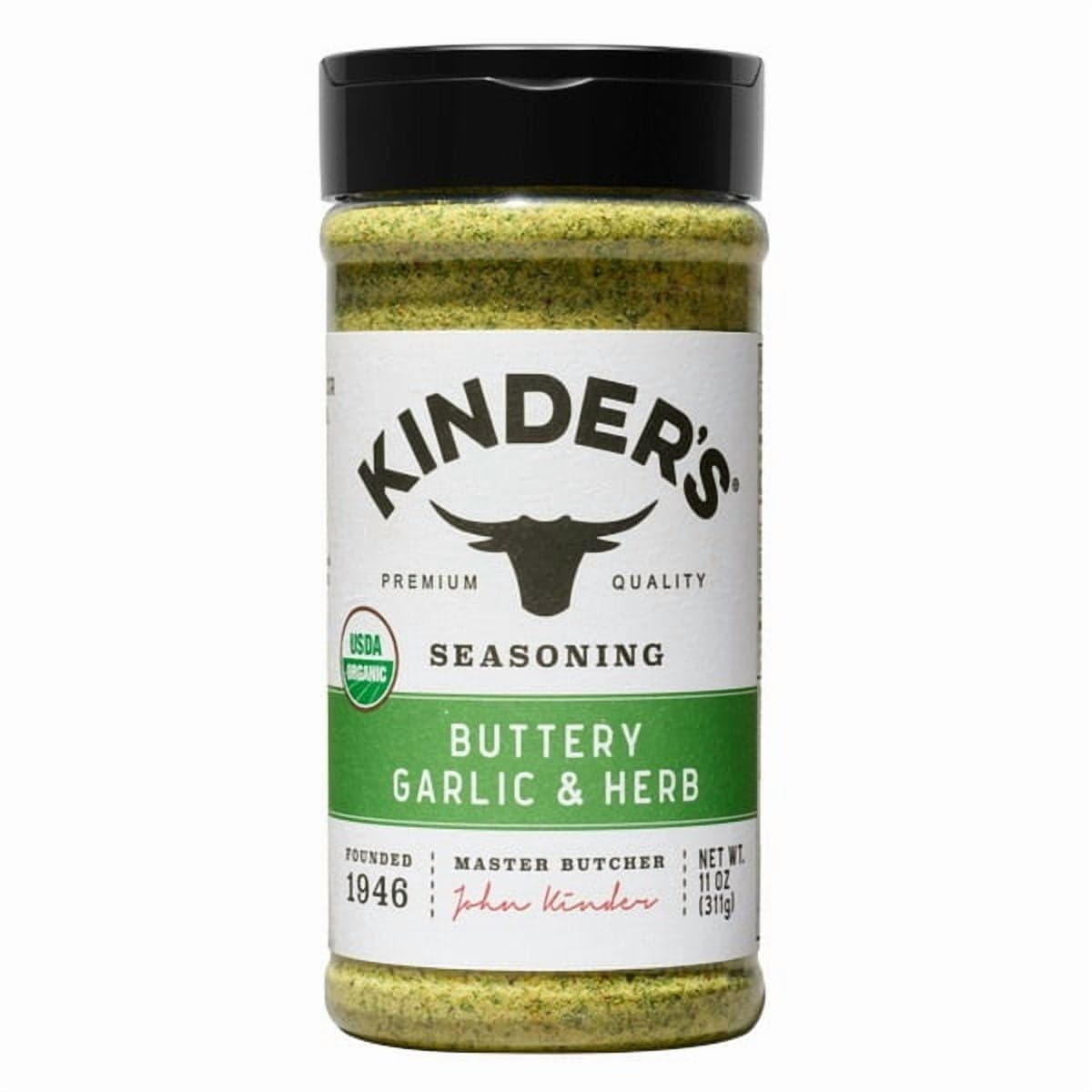
If you cook a lot of steak, burgers, or red meat, Kinder's Buttery Steakhouse Seasoning is non-negotiable. It's purpose-built for beef, and it delivers every time. Pair it with a classic steak rub like Kinder's The Blend if you want more control over salt, pepper, and garlic ratios, but Buttery Steakhouse is the shortcut to steakhouse flavor at home.
If you want one seasoning that works on chicken, seafood, vegetables, pasta, and the occasional steak, go with Kinder's Organic Cowboy Butter Seasoning. It's more versatile, more forgiving, and more interesting. The organic certification is a bonus if you care about ingredient sourcing.
Honestly? Most people should own both. They don't overlap. Cowboy Butter is your weeknight workhorse for quick dinners, grilled veggies, and anything that benefits from brightness. Buttery Steakhouse is your special-occasion weapon for thick steaks, prime rib, and burgers that need a crust.
Pro Tips for Getting the Most Out of Each Seasoning
Cowboy Butter
- Use it as a finishing seasoning. Sprinkle it on grilled proteins right before serving to preserve the bright herb flavor.
- Mix it into softened butter for a quick compound butter. Spread on steak, corn, or garlic bread.
- Toss popcorn in melted butter and Cowboy Butter for a savory snack that disappears in minutes.
- Season chicken or fish 30 minutes before cooking to let the flavors penetrate.
- Stir into scrambled eggs or sprinkle on avocado toast for a flavor boost.
Buttery Steakhouse
- Season steaks generously—at least 30 minutes before cooking, ideally an hour. The salt needs time to penetrate the meat.
- Pat steaks dry before seasoning. Moisture prevents crust formation.
- Don't be shy with the heat. This seasoning was designed for high-heat searing. Let it caramelize.
- Use it on smash burgers by sprinkling directly on the griddle before you smash. The sugar and butter powder create an insane crust.
- Mix into ground beef for meatballs or meatloaf for steakhouse flavor in comfort food form.
Common Mistakes to Avoid
Using Buttery Steakhouse on delicate proteins: It's too heavy for fish, shrimp, or chicken breast. Save it for beef and pork.
Under-seasoning with Cowboy Butter: Because it's organic and less salty, you can—and should—use more than you think. It's forgiving.
Skipping the rest period: Both seasonings benefit from at least 20–30 minutes of contact time with the protein. The salt needs time to work.
Using Buttery Steakhouse on lean cuts without fat: The richness needs marbling to balance it. On a lean sirloin, it can taste too salty. Reach for Cowboy Butter instead.
The Bottom Line
Kinder's Cowboy Butter and Buttery Steakhouse aren't competitors—they're teammates. Cowboy Butter is your everyday seasoning for weeknight dinners, quick grills, and anything that needs brightness. Buttery Steakhouse is your special-occasion closer for thick steaks, burgers, and red meat that deserves a crust.
If you only buy one, ask yourself this: Do you cook more chicken and vegetables, or more steak and burgers? That's your answer. But if you're serious about grilling and weeknight cooking, both bottles belong in your cabinet.
Ready to upgrade your spice rack? Grab Kinder's Organic Cowboy Butter for versatility or Buttery Steakhouse for steakhouse-quality beef at home—or stock both and never second-guess your seasoning again.
Shop the products mentioned in this article
Free shipping on every order. No minimums, no gimmicks.