Korean BBQ Seasoning: 7 Foolproof Recipes for Perfect Results
Korean BBQ seasoning transforms ordinary proteins and vegetables into restaurant-quality meals. Here are 7 tested recipes that deliver bold, sweet-savory flavor every time.
Korean BBQ seasoning has exploded in popularity over the past few years, and for good reason. This complex blend of garlic, ginger, soy, sesame, and subtle heat delivers the addictive sweet-savory-umami punch that defines Korean barbecue—without the long marinades or specialty ingredients. Whether you're grilling short ribs on a Sunday or tossing together a quick weeknight stir-fry, the right Korean BBQ seasoning turns simple ingredients into crave-worthy meals.
The beauty of a quality Korean BBQ seasoning is its versatility. Unlike traditional bulgogi marinades that require hours of prep, a dry rub or pre-mixed seasoning blend lets you season, cook, and serve in under 30 minutes. You get that caramelized char, the layers of garlic and sesame, and the signature sweetness that makes Korean BBQ so compelling—all from a single shake of the bottle.
In this guide, we're sharing seven tested recipes that showcase exactly how flexible Korean BBQ seasoning can be. From grilled steak to sheet-pan chicken, cauliflower rice bowls to crispy tofu, these dishes are designed to work with any quality Korean BBQ blend. We've built each recipe around reliable techniques and ingredient ratios that produce consistent, restaurant-quality results at home.
What Makes Korean BBQ Seasoning Work
Before we dive into the recipes, it's helpful to understand what you're working with. Traditional Korean BBQ relies on a careful balance of soy sauce, sesame oil, garlic, ginger, sugar, and often a hint of fruit like pear or apple for tenderizing and sweetness. Modern Korean BBQ seasonings condense these elements into a shelf-stable blend that typically includes dehydrated garlic and onion, toasted sesame, brown sugar or other sweeteners, chili flakes, and umami-boosting ingredients like mushroom powder or soy powder.
The result is a seasoning that caramelizes beautifully under high heat, penetrates meat and vegetables quickly, and delivers layered flavor without a marinade. That caramelization is key—the sugars in the blend create a mahogany crust on grilled or seared proteins, while the savory elements keep everything balanced and never cloying.
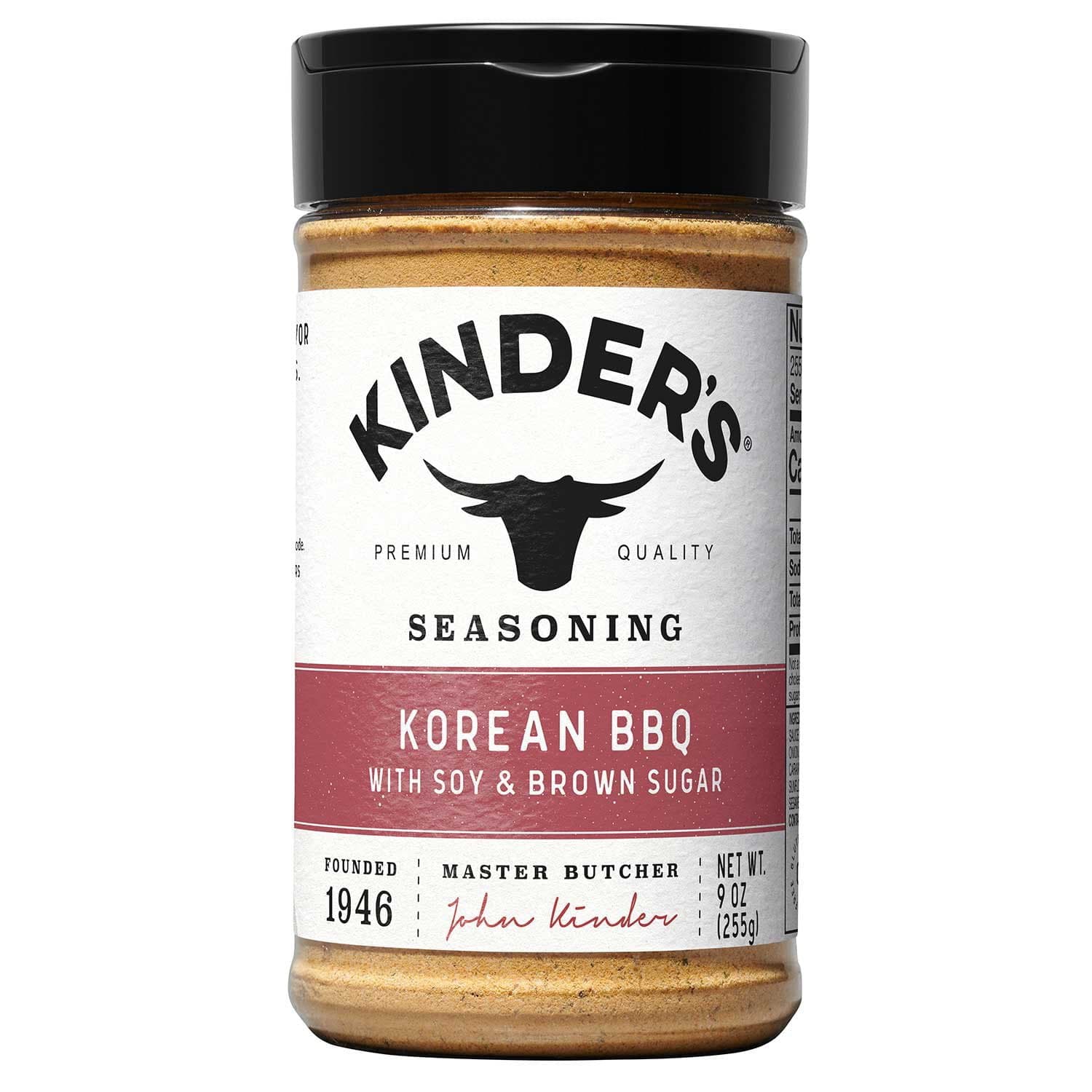
If you're looking for a proven Korean BBQ seasoning to keep in your rotation, Kinder's Korean BBQ Seasoning is a solid choice. It hits all the classic notes—garlic, sesame, ginger, soy—with just enough sweetness and a whisper of heat. Use it as the foundation for any of the recipes below.
Recipe 1: Korean BBQ Grilled Flank Steak
Flank steak is lean, affordable, and takes to high heat beautifully. Korean BBQ seasoning amplifies its beefy flavor and creates a caramelized crust that rivals any steakhouse.
Ingredients
- 1.5 to 2 lbs flank steak
- 2 to 3 tablespoons Korean BBQ seasoning
- 1 tablespoon neutral oil (canola or avocado)
- Optional: sliced green onions and sesame seeds for garnish
Instructions
Pat the flank steak completely dry with paper towels. Rub both sides with oil, then coat generously with Korean BBQ seasoning. Let the steak sit at room temperature for 20 to 30 minutes while you preheat your grill to high (450°F to 500°F).
Grill the steak over direct heat for 4 to 5 minutes per side for medium-rare, or until the internal temperature reaches 130°F to 135°F. The sugars in the seasoning will char quickly, so watch closely and move the steak to indirect heat if flare-ups occur.
Rest the steak for 10 minutes, then slice thinly against the grain. The result is tender, juicy beef with a sweet-savory crust that pairs perfectly with steamed rice, pickled vegetables, or a simple cucumber salad. Garnish with green onions and sesame seeds if you want to lean into the presentation.
Recipe 2: Sheet-Pan Korean BBQ Chicken Thighs
Chicken thighs are the workhorse of weeknight cooking—they stay moist, develop deep flavor, and are nearly impossible to overcook. Korean BBQ seasoning transforms them into a one-pan dinner that rivals takeout.
Ingredients
- 2 lbs bone-in, skin-on chicken thighs
- 3 tablespoons Korean BBQ seasoning
- 1 tablespoon sesame oil
- 1 red bell pepper, cut into strips
- 1 small red onion, cut into wedges
- 1 tablespoon soy sauce (optional, for extra glaze)
Instructions
Preheat your oven to 425°F. Pat the chicken thighs dry and toss with sesame oil and Korean BBQ seasoning until evenly coated. Arrange the thighs skin-side up on a rimmed sheet pan, leaving space between each piece. Scatter the bell pepper and onion around the chicken.
Roast for 35 to 40 minutes, until the skin is deeply browned and the internal temperature reaches 175°F. If you want extra caramelization, brush the chicken with soy sauce halfway through cooking.
The rendered fat from the chicken will coat the vegetables, giving them a rich, savory flavor. Serve over jasmine rice or with a quick cabbage slaw. The leftovers are excellent tucked into lettuce wraps or chopped into fried rice.
Recipe 3: Korean BBQ Pork Belly Lettuce Wraps
Pork belly is a Korean BBQ staple, prized for its rich fat and ability to crisp up beautifully. This recipe simplifies the traditional approach by using a hot skillet and a generous coating of Korean BBQ seasoning.
Ingredients
- 1 lb pork belly, sliced into 1/4-inch strips
- 2 tablespoons Korean BBQ seasoning
- Butter lettuce or red leaf lettuce for wrapping
- Sliced cucumber, radish, and fresh herbs (cilantro, mint, or perilla)
- Gochujang or sriracha for serving
Instructions
Heat a cast-iron skillet or heavy pan over medium-high heat. Toss the pork belly slices with Korean BBQ seasoning. Add the pork to the dry pan (no oil needed—the fat will render quickly) and cook for 3 to 4 minutes per side, until deeply browned and crisp at the edges.
Transfer the pork to a plate and let it rest briefly. Arrange lettuce leaves on a platter, then pile on the pork, cucumber, radish, and herbs. Let everyone build their own wraps, adding a dab of gochujang or sriracha for heat.
This is interactive, fun, and incredibly satisfying. The crisp pork, cool vegetables, and spicy sauce create the kind of textural contrast that keeps you reaching for another wrap.
Recipe 4: Korean BBQ Cauliflower Rice Bowls
Cauliflower rice has become a weeknight staple for good reason—it cooks in minutes, soaks up flavor beautifully, and provides a neutral base for bold seasonings. Korean BBQ seasoning turns it into a standalone dish.
Ingredients
- 1 large head cauliflower, riced (or 4 cups pre-riced cauliflower)
- 2 tablespoons sesame oil
- 2 tablespoons Korean BBQ seasoning
- 1 cup shredded carrots
- 1/2 cup frozen edamame, thawed
- 2 eggs
- Sliced green onions and sesame seeds for garnish
Instructions
Heat sesame oil in a large skillet or wok over medium-high heat. Add the cauliflower rice and cook, stirring frequently, for 5 to 6 minutes until it softens and begins to brown. Stir in the Korean BBQ seasoning, carrots, and edamame, and cook for another 2 minutes.
Push the cauliflower mixture to the edges of the pan, creating a well in the center. Crack the eggs into the well and scramble them until just set, then fold them into the cauliflower rice.
Divide the mixture into bowls and garnish with green onions and sesame seeds. This is a complete meal in under 15 minutes—high in vegetables, rich in flavor, and endlessly customizable. Add grilled chicken, shrimp, or tofu if you want extra protein.
Recipe 5: Korean BBQ Grilled Shrimp Skewers
Shrimp cook fast, which makes them ideal for weeknight grilling. Korean BBQ seasoning clings to the exterior and creates a sticky, caramelized coating that's impossible to resist.
Ingredients
- 1.5 lbs large shrimp, peeled and deveined
- 2 tablespoons Korean BBQ seasoning
- 1 tablespoon neutral oil
- Lime wedges for serving
- Metal or soaked wooden skewers
Instructions
Toss the shrimp with oil and Korean BBQ seasoning until evenly coated. Thread the shrimp onto skewers, leaving a little space between each piece for even cooking.
Preheat your grill to medium-high. Grill the skewers for 2 to 3 minutes per side, until the shrimp are opaque and the edges are slightly charred. Don't overcook—shrimp firm up quickly and can turn rubbery if left on the heat too long.
Serve the skewers with lime wedges and a side of jasmine rice or a simple cucumber salad. The sweet-savory coating on the shrimp pairs beautifully with the brightness of lime, creating a balanced, restaurant-quality dish in under 10 minutes of active cooking.
Recipe 6: Korean BBQ Smashed Burgers
Smash burgers are all about the crust—the more surface area you get on the griddle, the more caramelization you achieve. Korean BBQ seasoning takes that caramelization to the next level, adding layers of garlic, sesame, and sweetness to the classic beef patty.
Ingredients
- 1 lb ground beef (80/20 blend)
- 2 tablespoons Korean BBQ seasoning
- 4 burger buns, toasted
- Sliced American or cheddar cheese
- Quick-pickled cucumbers or kimchi
- Sriracha mayo (mix 2 tablespoons mayo with 1 teaspoon sriracha)
Instructions
Divide the ground beef into 4 loose balls. Do not overwork the meat—you want it to stay tender. Season each ball generously with Korean BBQ seasoning.
Heat a cast-iron skillet or flat-top griddle over high heat. Place a ball of beef on the hot surface and immediately smash it flat with a sturdy spatula, pressing down firmly for 10 seconds. Cook for 2 to 3 minutes until a deep crust forms, then flip, add cheese, and cook for another minute.
Assemble the burgers on toasted buns with sriracha mayo, pickled cucumbers or kimchi, and any other toppings you like. The combination of the crispy, seasoned crust and the tangy, spicy toppings creates a burger that's miles ahead of anything you'd get from a drive-through.
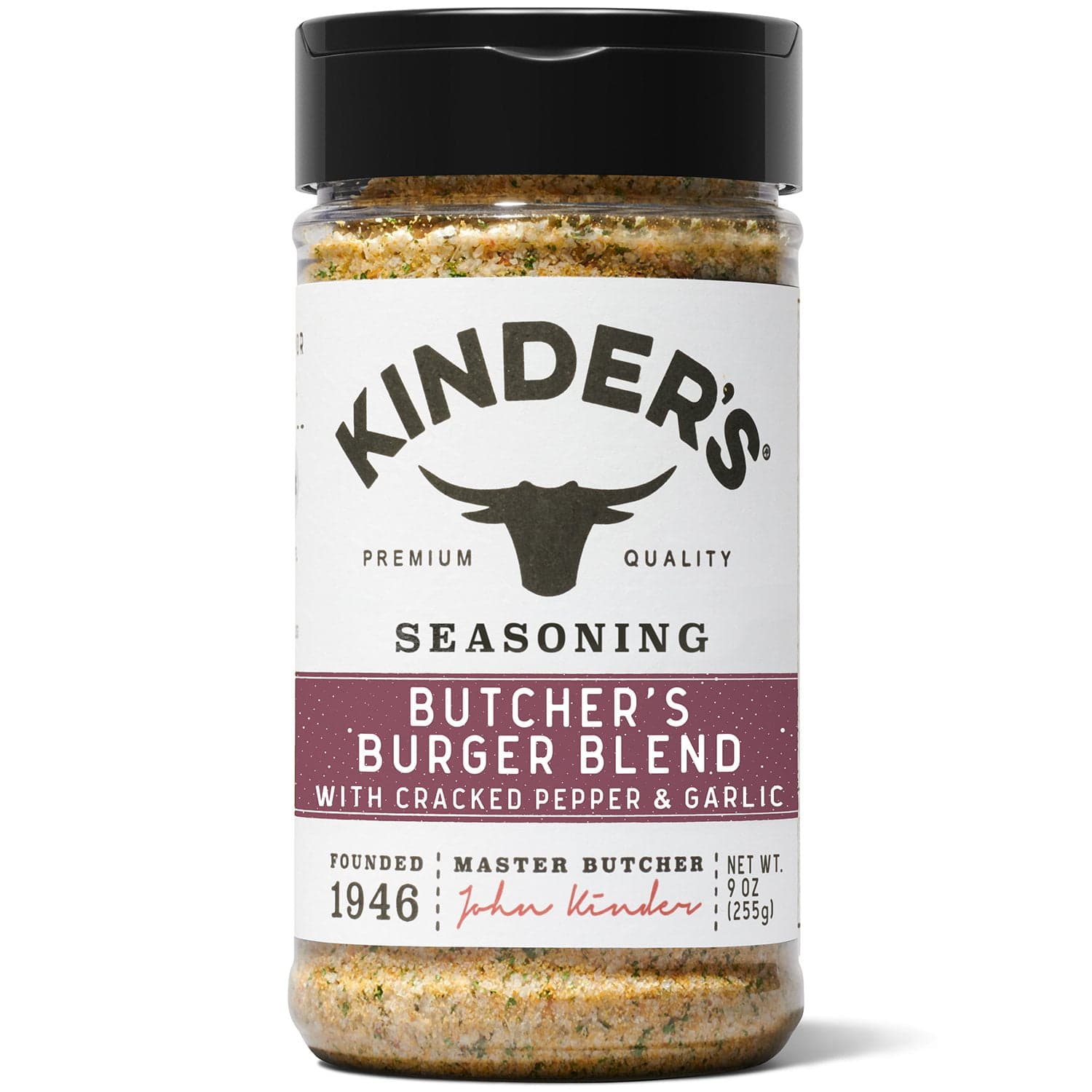
For even more depth, consider layering in Kinder's Butcher's Burger Blend alongside the Korean BBQ seasoning. The two blends complement each other beautifully—one brings umami and sweetness, the other adds classic burger seasoning backbone.
Recipe 7: Korean BBQ Crispy Tofu Stir-Fry
Tofu is a blank canvas that soaks up seasoning beautifully, and when you crisp it up properly, it becomes the star of the dish. This stir-fry comes together in under 20 minutes and is packed with vegetables and bold flavor.
Ingredients
- 1 block (14 oz) extra-firm tofu, pressed and cubed
- 2 tablespoons Korean BBQ seasoning
- 2 tablespoons cornstarch
- 3 tablespoons neutral oil
- 1 red bell pepper, sliced
- 1 cup snap peas or broccoli florets
- 2 cloves garlic, minced
- 1 tablespoon soy sauce
- Cooked rice for serving
Instructions
Toss the tofu cubes with Korean BBQ seasoning and cornstarch until evenly coated. Heat 2 tablespoons of oil in a large skillet or wok over medium-high heat. Add the tofu in a single layer and cook, undisturbed, for 3 to 4 minutes until the bottom is golden and crisp. Flip and cook for another 3 minutes. Remove the tofu and set aside.
Add the remaining tablespoon of oil to the pan. Toss in the bell pepper, snap peas, and garlic, and stir-fry for 2 to 3 minutes until the vegetables are crisp-tender. Return the tofu to the pan, add the soy sauce, and toss everything together.
Serve over rice with a sprinkle of sesame seeds. The crispy tofu picks up the seasoning beautifully, and the vegetables add freshness and crunch. This is a plant-based meal that satisfies even the most devoted meat eaters.
Tips for Getting the Most Out of Korean BBQ Seasoning
Korean BBQ seasoning is forgiving, but a few techniques will help you get the best results every time.
Don't Skip the Oil
A light coating of oil helps the seasoning adhere to proteins and vegetables, and it promotes even browning. Use neutral oils like canola or avocado for high-heat cooking, or sesame oil when you want an extra layer of nutty flavor.
Let It Rest
Allowing seasoned proteins to sit at room temperature for 15 to 30 minutes before cooking gives the flavors time to penetrate. It also takes the chill off refrigerated meat, which leads to more even cooking.
Embrace High Heat
Korean BBQ seasoning contains sugars that caramelize beautifully under high heat. Whether you're grilling, searing, or roasting, aim for temperatures above 400°F to develop that signature char and crust. Just watch closely—sugar can burn quickly.
Layer Your Flavors
Korean BBQ seasoning is a complete flavor package, but it also plays well with others. Add a squeeze of lime, a drizzle of soy sauce, or a spoonful of gochujang to build complexity. Fresh herbs like cilantro, mint, or green onions add brightness and cut through the richness.
Use It Beyond Protein
Don't limit Korean BBQ seasoning to meat. Toss it with roasted vegetables, mix it into fried rice, sprinkle it over popcorn, or stir it into mayonnaise for a quick Korean-inspired aioli. The seasoning's versatility is one of its greatest strengths.
Pairing Korean BBQ Seasoning with Other Flavors
One of the reasons Korean BBQ seasoning has become a pantry staple is its ability to complement other bold flavors. It pairs beautifully with tangy, spicy, and fresh elements that balance its sweetness and umami.
Pickled vegetables—whether quick-pickled cucumbers, radishes, or store-bought kimchi—add acidity and crunch that cut through the richness of grilled or roasted proteins. Fresh herbs like cilantro, mint, and Thai basil bring brightness. A drizzle of sriracha, gochujang, or chili crunch adds heat without overwhelming the dish.
If you're a fan of layering heat and crunch, consider finishing your Korean BBQ dishes with a spoonful of Momofuku Chili Crunch. The crispy garlic, shallots, and chili flakes add texture and a warm, toasted heat that complements the sweet-savory profile of Korean BBQ seasoning.
Why Korean BBQ Seasoning Works for Weeknight Cooking
The appeal of Korean BBQ seasoning isn't just the flavor—it's the speed and simplicity. Traditional Korean marinades often call for a dozen ingredients and hours of marinating time. A quality dry seasoning delivers similar results in a fraction of the time.
You can season a piece of chicken, pork, or tofu and have it on the table in under 30 minutes. You don't need specialty equipment, hard-to-find ingredients, or advanced knife skills. The seasoning does the heavy lifting, delivering complex, layered flavor with minimal effort.
That makes it ideal for busy weeknights, last-minute dinner guests, or anyone who wants restaurant-quality meals without the restaurant-level prep. Keep a bottle in your pantry, and you'll always have a shortcut to bold, satisfying dinners.
Storing and Using Korean BBQ Seasoning
Like all dry seasonings, Korean BBQ blends are shelf-stable and will keep for months in a cool, dark place. Store the bottle tightly sealed to preserve freshness and prevent clumping.
If you notice the seasoning starting to lose potency, it's likely due to age or exposure to heat and light. Most blends will stay vibrant for 6 to 12 months. After that, the flavors may mellow, but the seasoning is still safe to use—you may just need to use a bit more to achieve the same impact.
For maximum shelf life, buy from retailers with high turnover, and check for a production or best-by date on the bottle. Fresh seasoning will always deliver the boldest flavor.
Final Thoughts: Make Korean BBQ Seasoning Your Go-To
Korean BBQ seasoning is one of those rare pantry staples that genuinely earns its space on the shelf. It's versatile, flavorful, and fast—everything you want in a weeknight seasoning. Whether you're grilling flank steak, roasting chicken thighs, or stir-frying tofu, it brings the bold, sweet-savory flavors of Korean barbecue to your table in minutes.
The seven recipes in this guide are starting points. Once you get comfortable with the seasoning, you'll find yourself reaching for it constantly—on roasted vegetables, in fried rice, even on popcorn. It's the kind of ingredient that opens up new possibilities every time you use it.
Ready to stock your pantry? Grab a bottle of Kinder's Korean BBQ Seasoning and start experimenting. Your weeknight dinners just got a lot more interesting.
Shop the products mentioned in this article
Free shipping on every order. No minimums, no gimmicks.