Alabama White Sauce Chicken Thighs: The South's Secret Weapon
Alabama white sauce turns boring chicken thighs into smoky, tangy perfection. Here's how to make this cult-favorite BBQ sauce at home and why it works so well.
Alabama white sauce is the South's best-kept BBQ secret, and it's finally getting the attention it deserves. Unlike the thick, sweet red sauces that dominate most BBQ joints, this tangy mayo-based condiment cuts through rich, fatty meats like chicken thighs with a punch of vinegar and black pepper. When a Reddit user posted their homemade Alabama white sauce chicken thighs to r/food, the reaction was instant—hundreds of upvotes and a comment section full of people demanding the recipe.
If you've never tried Alabama white sauce, you're missing out on one of the most versatile BBQ sauces in American cooking. Born in Decatur, Alabama at Big Bob Gibson Bar-B-Q in 1925, this creamy, peppery sauce was designed specifically for smoked chicken. It's thinner than you'd expect, almost pourable, and it clings to crispy chicken skin without weighing it down. The result is a perfect balance of smoke, tang, and richness that makes you wonder why anyone bothers with ketchup-based sauces at all.
Why Chicken Thighs Are the Perfect Match
Let's talk about why chicken thighs work so much better than breasts for this recipe. Thighs have more fat, more connective tissue, and more flavor. They stay juicy even if you accidentally overcook them by a few minutes, which makes them far more forgiving for home cooks.
When you grill or smoke chicken thighs, the fat renders out slowly, basting the meat from the inside. The skin crisps up beautifully, creating the ideal texture contrast with the creamy white sauce. Chicken breasts, by comparison, dry out quickly and don't have enough fat to stand up to the richness of a mayo-based sauce.
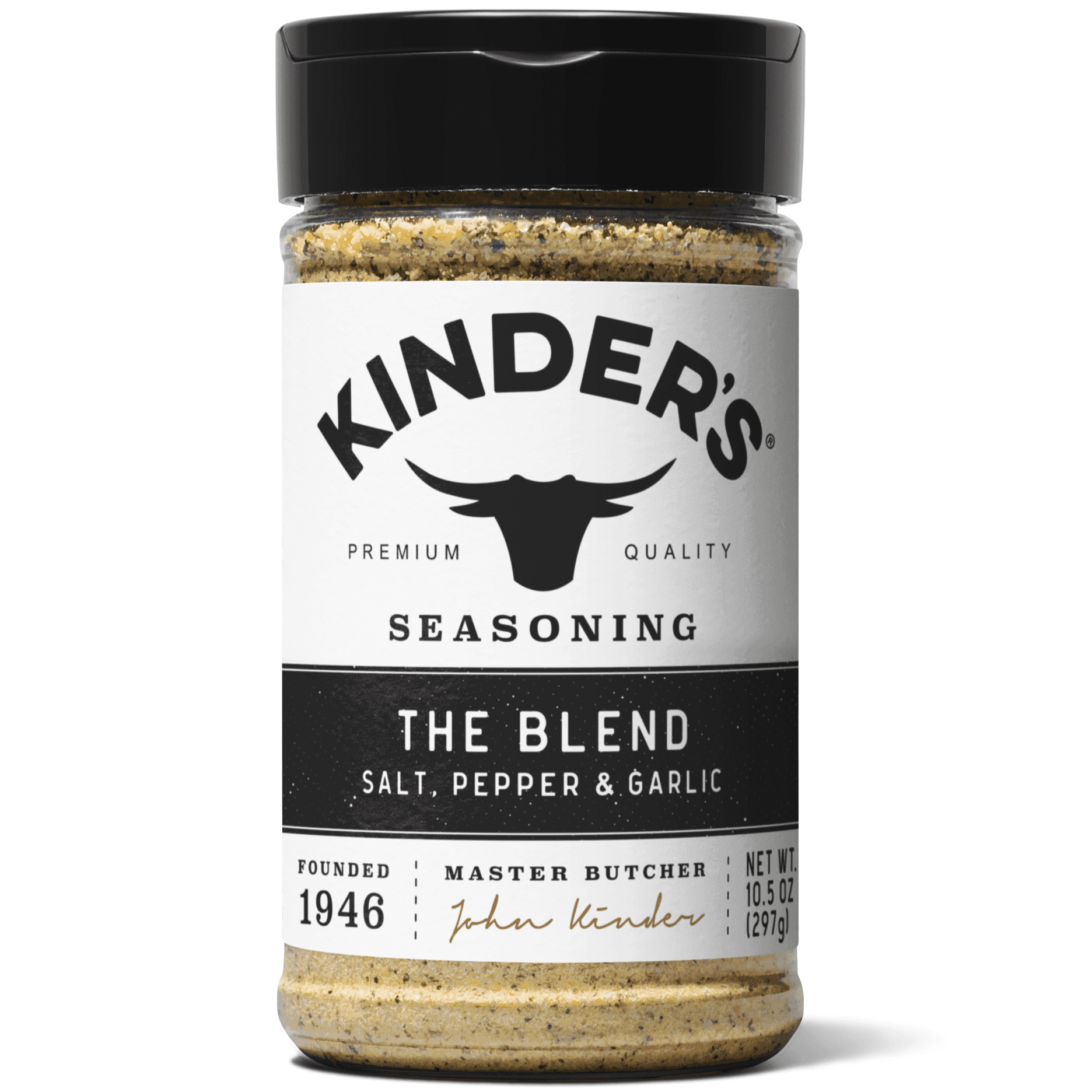
Dark meat also has a deeper, more savory flavor that pairs well with bold seasonings. Before you even think about the sauce, you need to season your thighs properly. This is where a good all-purpose rub comes into play—something with salt, pepper, garlic, and maybe a hint of smoke. A blend like Kinder's The Blend gives you that classic salt-pepper-garlic foundation without overpowering the sauce.
What Makes Alabama White Sauce Different
Alabama white sauce breaks every rule of traditional BBQ. It's not tomato-based. It's not sweet. It doesn't caramelize into a sticky glaze. Instead, it stays light, creamy, and refreshingly sharp.
The base is always mayonnaise—full-fat, preferably Duke's or Hellmann's. From there, you add distilled white vinegar or apple cider vinegar for acidity, black pepper for bite, and a touch of horseradish for heat. Some recipes include lemon juice, garlic powder, or cayenne, but the core formula stays the same: mayo, vinegar, pepper.
The sauce is traditionally used two ways: as a mop during cooking and as a finishing sauce after the meat comes off the grill. When you brush it on chicken while it's still on the heat, the vinegar evaporates slightly and the mayo emulsifies into the chicken fat, creating an almost creamy glaze. When you serve it on the side, it acts like a tangy dipping sauce that balances the smokiness of the meat.
The Original Big Bob Gibson Recipe
The original Alabama white sauce was created by Big Bob Gibson, a railroad worker who started cooking BBQ in his backyard in 1925. He'd dig a pit, smoke whole chickens low and slow, and then dunk them—completely submerge them—in a vat of his white sauce. The chickens would come out dripping with tangy, peppery goodness.
Big Bob Gibson Bar-B-Q is still operating today, and they've won multiple world championships with their white sauce. The recipe has been tweaked over the decades, but the core principles remain: keep it simple, keep it tangy, and don't mess with success.
How to Make Alabama White Sauce at Home
Making Alabama white sauce from scratch takes about five minutes and requires ingredients you probably already have in your fridge. Here's a basic formula that you can adjust to your taste:
- 1 cup mayonnaise (full-fat, not light)
- ¼ cup apple cider vinegar
- 1 tablespoon lemon juice
- 1 tablespoon prepared horseradish
- 1 teaspoon black pepper (freshly cracked is best)
- 1 teaspoon garlic powder
- ½ teaspoon cayenne pepper (optional, for heat)
- ½ teaspoon salt
- ½ teaspoon sugar (to balance the acidity)
Whisk everything together in a bowl until smooth. Taste and adjust—add more vinegar if you want it tangier, more pepper if you want it spicier, or a pinch more sugar if it's too sharp. The sauce should be pourable but not watery, with a consistency similar to ranch dressing.
Let the sauce sit in the fridge for at least an hour before using it. This gives the flavors time to meld and the garlic powder time to bloom. The sauce will keep for up to two weeks in an airtight container, and it actually gets better after a day or two.
Grilling Alabama White Sauce Chicken Thighs: Step-by-Step
Now that you have your sauce ready, it's time to cook the chicken. This recipe works on a charcoal grill, gas grill, or even a pellet smoker. The key is to cook the thighs over moderate heat so the skin crisps up without burning.
Step 1: Prep the Chicken
Start with bone-in, skin-on chicken thighs. Trim any excess fat or loose skin, but leave enough to protect the meat. Pat the thighs dry with paper towels—this is crucial for crispy skin.
Season generously on both sides. You want salt, pepper, and garlic at a minimum. If you're using a pre-mixed seasoning, go with something that complements smoke and tang. Kinder's Grilled Chicken Seasoning is a solid choice here—it has garlic, onion, and a touch of lemon that pairs beautifully with white sauce.
Step 2: Set Up Your Grill for Two-Zone Cooking
If you're using charcoal, pile the coals on one side of the grill to create a hot zone and a cooler zone. If you're using gas, light only half the burners. You want a setup where you can sear the chicken over direct heat and then finish it over indirect heat.
Aim for a grill temperature around 350-375°F. Too hot and the skin will burn before the meat cooks through. Too cool and the skin won't crisp.
Step 3: Sear Skin-Side Down
Place the chicken thighs skin-side down over direct heat. Let them cook undisturbed for 5-7 minutes, until the skin releases easily from the grates and has deep grill marks. Resist the urge to flip too early—if the skin sticks, it's not ready.
Once the skin is crispy and golden, flip the thighs and move them to the cooler side of the grill. Close the lid and let them cook through, which usually takes another 15-20 minutes. You're looking for an internal temperature of 175°F in the thickest part of the thigh. Dark meat is more forgiving than white meat, and cooking it to 175°F instead of 165°F ensures the connective tissue breaks down and the meat stays tender.
Step 4: Mop with White Sauce
About five minutes before the chicken is done, brush a generous layer of Alabama white sauce onto the skin side. Close the lid and let the sauce warm through and set slightly. Don't apply the sauce too early or it will break and get greasy.
When the chicken hits 175°F, remove it from the grill and let it rest for five minutes. Serve with extra white sauce on the side for dipping.
Variations and Flavor Twists
Once you've mastered the basic recipe, you can start experimenting. Alabama white sauce is incredibly versatile, and small tweaks can take it in completely different directions.
Smoked Chicken Thighs
If you have a smoker or a pellet grill, try smoking the chicken thighs at 250°F for 90 minutes over hickory or apple wood. The low-and-slow method renders even more fat and gives the meat a deeper smoke flavor. Mop with white sauce during the last 15 minutes and finish with a quick sear over high heat to crisp the skin.
Spicy White Sauce
Add an extra tablespoon of horseradish, a teaspoon of hot sauce, or a pinch of cayenne to the sauce. The creamy base can handle a lot of heat without becoming overwhelming.
Herb-Infused White Sauce
Stir in fresh chopped dill, parsley, or chives for a brighter, more herbaceous sauce. This version works especially well on grilled fish or shrimp.
Garlic Lovers' Version
Double the garlic powder or add a tablespoon of minced fresh garlic to the sauce. Let it sit overnight in the fridge so the garlic mellows out. If you want even more garlic punch on the chicken itself, season with Kinder's Woodfired Garlic Seasoning before grilling.
What to Serve with Alabama White Sauce Chicken
Alabama white sauce chicken thighs are rich and flavorful, so you want sides that balance the richness without competing for attention. Here are a few classic pairings:
- Coleslaw: A vinegar-based slaw with shredded cabbage, carrots, and a tangy dressing cuts through the creaminess of the sauce.
- Grilled corn: Brush with butter and sprinkle with smoked paprika or chili powder.
- Baked beans: Go for a Southern-style recipe with bacon and molasses.
- Potato salad: A classic mustard-based potato salad complements the tangy sauce perfectly.
- Pickles: Dill pickles or pickled jalapeños add crunch and acidity.
If you're feeding a crowd, set up a chicken thigh bar with different sauces. Offer Alabama white sauce alongside a traditional red BBQ sauce, a sweet-and-spicy glaze like Kinder's Honey Hot BBQ Sauce, and maybe a tangy mustard sauce. Let people mix and match.
Common Mistakes to Avoid
Even though Alabama white sauce chicken is a fairly simple recipe, there are a few pitfalls that can trip up first-timers.
Using Low-Fat Mayo
Don't do it. Low-fat or light mayo has added stabilizers and less fat, which means the sauce will be watery and won't emulsify properly when heated. Stick with full-fat mayo from a reputable brand.
Applying Sauce Too Early
If you brush the sauce on while the chicken is still raw or early in the cooking process, the mayo will break and turn greasy. Wait until the chicken is almost done, then apply the sauce and let it warm through for just a few minutes.
Skipping the Rest
Just like steak, chicken thighs benefit from a short rest after cooking. This allows the juices to redistribute so they don't all run out when you cut into the meat. Five minutes is all you need.
Overcrowding the Grill
If you pack too many thighs onto the grill, the temperature will drop and the skin won't crisp. Leave at least an inch of space between each piece.
Why Alabama White Sauce Is Having a Moment
Alabama white sauce has been a regional staple for nearly a century, but it's only recently broken into the mainstream. Part of the reason is social media—viral posts on Reddit, TikTok, and Instagram have introduced the sauce to a new generation of home cooks who are tired of the same old BBQ flavors.
Another factor is the growing interest in regional American cuisine. People want to explore the food traditions of the South, the Midwest, and the Southwest, and Alabama white sauce is a perfect entry point. It's simple, it's delicious, and it's different enough to feel exciting without being intimidating.
Finally, Alabama white sauce fits perfectly into the current trend of tangy, vinegar-forward flavors. As more people discover Korean BBQ, Japanese ponzu, and Latin American chimichurri, they're developing a taste for bright, acidic sauces that balance richness instead of adding more sweetness.
Storing and Reheating Leftovers
If you have leftover chicken thighs, store them in an airtight container in the fridge for up to four days. To reheat, place them on a baking sheet in a 350°F oven for 10-15 minutes, until warmed through. You can also reheat them on the grill over low heat.
Don't microwave the chicken if you want to preserve the crispy skin. The microwave will make the skin rubbery and the meat tough.
Leftover white sauce can be used in all sorts of ways. Drizzle it over grilled vegetables, toss it with shredded cabbage for a quick slaw, or use it as a sandwich spread. It's especially good on pulled pork sandwiches or as a dipping sauce for fried pickles.
Other Meats That Love Alabama White Sauce
While chicken is the traditional pairing, Alabama white sauce works on just about any smoked or grilled meat. Here are a few other proteins worth trying:
- Smoked turkey: The sauce was practically made for Thanksgiving leftovers.
- Pork chops: Grill bone-in pork chops and mop with white sauce during the last few minutes.
- Grilled shrimp: Toss grilled shrimp in white sauce for a tangy, creamy appetizer.
- Smoked salmon: A lighter, herb-infused version of the sauce pairs beautifully with fatty fish.
- Wings: Toss crispy fried or grilled wings in Alabama white sauce for a change from buffalo or BBQ.
Final Thoughts: Why You Need to Try This Now
Alabama white sauce chicken thighs are one of those recipes that sound weird until you try them. Mayo on grilled chicken? It doesn't make sense on paper. But one bite and you'll understand why this sauce has been a Southern staple for nearly a hundred years.
The beauty of this recipe is its simplicity. You don't need a smoker, a fancy grill, or hard-to-find ingredients. You just need good chicken thighs, a well-balanced seasoning, and a willingness to try something different. The sauce comes together in minutes, and the chicken cooks in under 30 minutes. It's weeknight-friendly, but impressive enough for a backyard cookout.
If you've been stuck in a BBQ rut—same old sauces, same old flavors—Alabama white sauce is your ticket out. It's tangy, creamy, peppery, and completely addictive. Make a batch this weekend, fire up the grill, and see what all the hype is about. Your taste buds will thank you.
Shop the products mentioned in this article
Free shipping on every order. No minimums, no gimmicks.