Best Kinder's Seasoning for Steak: 6 Blends Ranked & Tested
From ribeye to sirloin, we tested every Kinder's steak seasoning to find the ultimate blend. Here's which one earned the top spot and why your next steakhouse dinner starts here.
Choosing the right seasoning can turn a decent steak into an unforgettable meal. Kinder's built its reputation on bold, restaurant-quality blends that save you time without sacrificing flavor, and their steak seasonings deliver exactly that. Whether you're working with a bone-in ribeye, a marbled New York strip, or a budget-friendly sirloin, the right Kinder's blend brings out the beef's natural richness while adding layers of garlic, butter, pepper, and umami depth.
We tested six of Kinder's top steak seasonings side-by-side on different cuts and cooking methods—cast iron, grill, and reverse sear—to find out which blends deliver the best crust, the most balanced flavor, and the cleanest ingredient list. Here's everything you need to know to pick the perfect bottle for your next steak night.
Why Kinder's Seasonings Work So Well on Steak
Kinder's formulas stand out because they're designed for high-heat cooking. Most blends include coarse salt crystals that pull moisture to the surface, creating the Maillard reaction crust that makes steakhouse cuts so addictive. They also layer umami-rich ingredients like garlic, onion, yeast extract, and sometimes dried beef stock to amplify the savory notes in quality beef.
Unlike generic steak rubs that lean too heavily on black pepper or paprika filler, Kinder's balances salt, fat-soluble flavors (butter powder, rendered beef fat), and aromatics. The result is a seasoning that tastes like you spent twenty minutes prepping a compound butter and spice blend—but you just twisted a cap.
Another advantage: Kinder's uses larger granules that don't burn as easily as fine powders. That makes them ideal for direct grilling or searing at temperatures above 500°F, where most supermarket blends turn acrid.
The 6 Best Kinder's Seasonings for Steak, Ranked
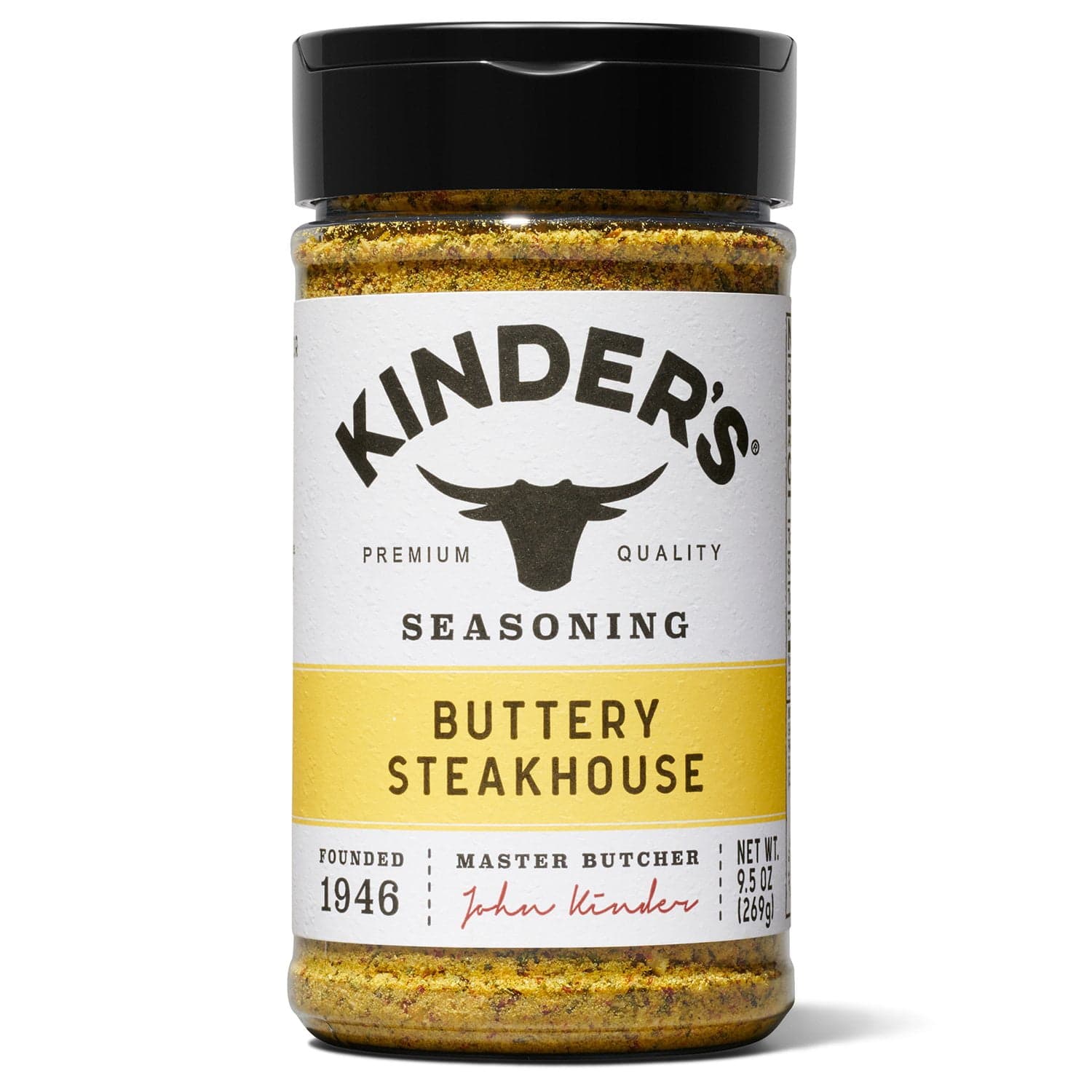
1. Kinder's Buttery Steakhouse Seasoning – The Gold Standard
If you only buy one steak seasoning, make it Kinder's Buttery Steakhouse Seasoning. This 9.5-ounce bottle is the benchmark for a reason: it nails the trifecta of salt, garlic, and butter without overshadowing the beef. The coarse sea salt and butter powder melt into the crust during searing, creating a caramelized, golden-brown surface that tastes like you basted your steak in clarified butter.
We tested this on a 1.5-inch ribeye cooked in a cast-iron skillet. The seasoning formed a deep mahogany crust in under three minutes per side, and the interior stayed beefy and clean. There's a hint of parsley and black pepper on the finish, but the star is the garlic-butter backbone. It's rich enough to stand up to well-marbled cuts but not so aggressive that it overpowers leaner steaks like filet mignon.
Best for: Ribeye, New York strip, T-bone, porterhouse, and any cut where you want classic steakhouse flavor with zero prep.
2. Kinder's Prime Rib Rub – Old-School Elegance
The Kinder's Prime Rib Rub is what you reach for when you want a more traditional, herb-forward profile. It's built around rosemary, thyme, and garlic—the same aromatics used in classic French and American prime rib recipes. The blend includes beef stock powder, which adds a subtle roasted-meat depth that makes even a Choice-grade steak taste like it came from a dry-aging locker.
We used this on a reverse-seared top sirloin. After a low oven roast at 250°F, we seared it hard in a screaming-hot skillet. The rub developed a darker, more herbaceous crust than Buttery Steakhouse, with pronounced rosemary notes and a slightly peppery finish. It's less buttery, more earthy—ideal if you're pairing your steak with roasted root vegetables or a red wine reduction.
Best for: Prime rib, top sirloin, tri-tip, and any cut you're cooking low-and-slow or reverse-searing.
3. Kinder's Whiskey Peppercorn Seasoning – Bold and Smoky
If you love cracked black pepper and a hint of smoke, the Kinder's Whiskey Peppercorn Seasoning delivers restaurant-level complexity in one bottle. This blend combines coarse black pepper, garlic, onion, and a subtle whiskey-barrel smokiness that mimics the char you'd get from a wood-fired grill. The pepper is assertive but not punishing—more au poivre than truck-stop shaker.
We grilled a 1.25-inch strip steak over direct charcoal heat with a generous coating of Whiskey Peppercorn. The crust was deeply caramelized, almost mahogany-black, with a smoky aroma that smelled like a high-end steakhouse. The whiskey flavor is subtle—think background note, not boozy—and the peppercorn heat builds gradually on the palate. This is the blend to use when you want your steak to taste expensive.
Best for: New York strip, hanger steak, skirt steak, and any cut you're finishing with a whiskey or bourbon pan sauce.
4. Kinder's Dry-Aged Steak Seasoning – Maximum Umami
The Kinder's Dry-Aged Steak Seasoning is engineered to mimic the funky, concentrated flavor of 45-day dry-aged beef. It's loaded with umami boosters—yeast extract, dried beef, garlic, and onion—that amplify the savory, almost nutty notes you get from aged meat. If you're working with a supermarket Choice steak and want to punch above your weight class, this is your cheat code.
We tested this on a standard grocery-store ribeye. The seasoning added a noticeable depth and complexity that made the steak taste richer and more developed than it actually was. The crust was dark and slightly sticky, thanks to the yeast extract caramelizing under high heat. The flavor is bold and forward—this isn't a subtle seasoning. It's best for people who love that funky, aged-beef character.
Best for: Grocery-store steaks you want to elevate, ribeye, chuck eye, and any cut where you want extra umami punch.
5. Kinder's Prime Steak Black Garlic & Truffle – Luxe and Earthy
This is Kinder's premium play. The Prime Steak Black Garlic & Truffle blend combines the sweet, molasses-like funk of black garlic with real truffle extract and earthy mushroom powder. It's a polarizing seasoning—some people love the umami bomb, others find it too intense. We fall in the "love it" camp, especially on well-marbled cuts.
We used this on a thick-cut ribeye cap (spinalis). The black garlic added a sweet-savory depth that paired beautifully with the beef's natural fat, and the truffle gave it an earthy, almost forest-floor aroma. The crust was dark and glossy, and the finish was long and savory. This is a "date night" or "special occasion" seasoning—it's not for Tuesday burgers.
Best for: Ribeye cap, wagyu, high-marbling cuts, and any steak you're serving with roasted mushrooms or truffle butter.
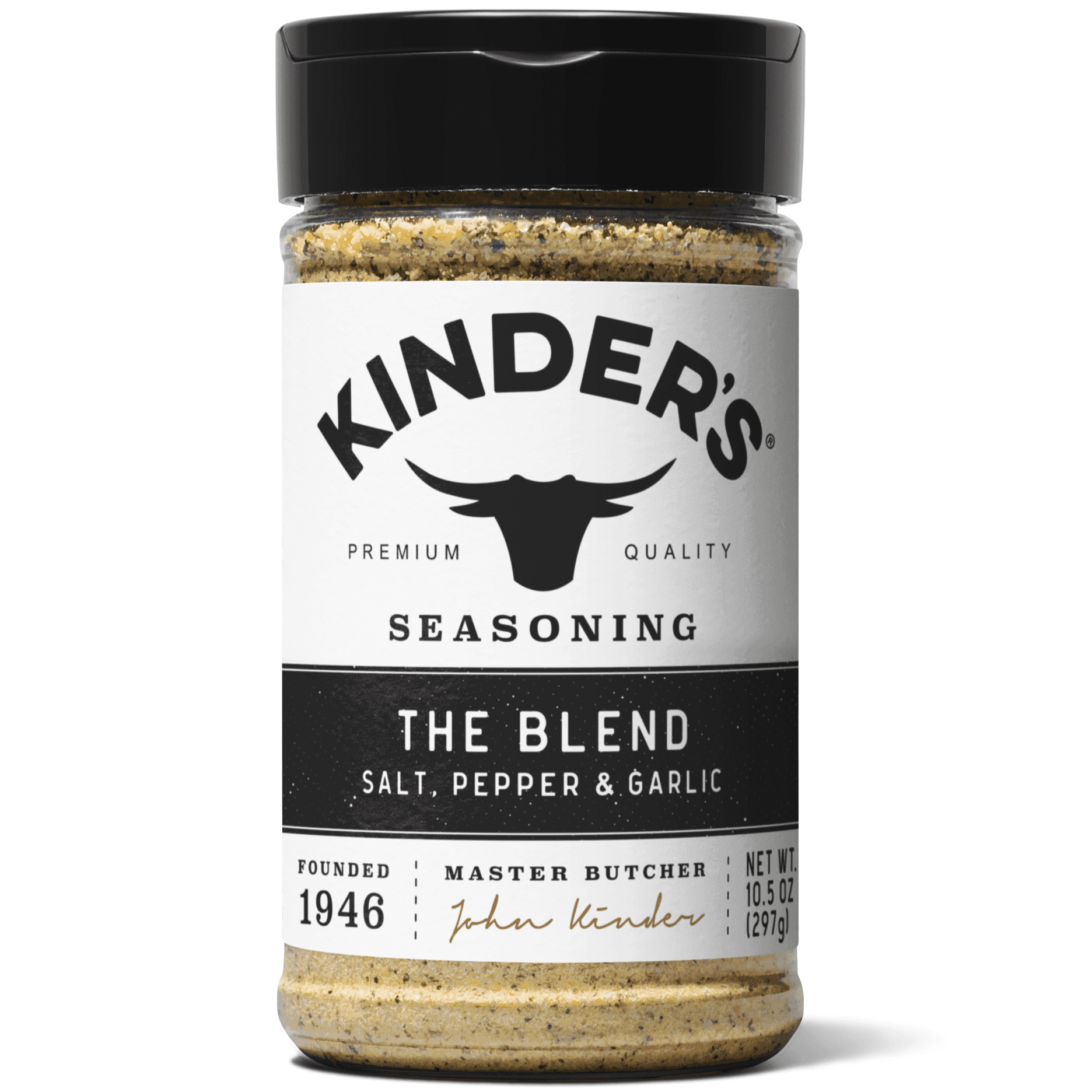
6. Kinder's The Blend (Salt, Pepper, Garlic) – The Minimalist's Choice
Sometimes you don't want fifteen ingredients. Kinder's The Blend strips it back to three essentials: coarse sea salt, cracked black pepper, and granulated garlic. It's the seasoning equivalent of a well-tailored white T-shirt—simple, versatile, and impossible to screw up.
We tested this on a grass-fed sirloin. The seasoning let the beef's natural flavor shine without adding buttery richness or umami enhancement. The garlic was mellow and sweet, the pepper added gentle heat, and the salt brought everything into focus. If you're cooking a high-quality, well-marbled steak and want to taste the beef more than the seasoning, this is your bottle.
Best for: High-quality grass-fed beef, filet mignon, dry-aged steaks, and purists who want clean, simple flavor.
How to Apply Kinder's Seasoning to Steak (and When)
Timing and technique matter. Here's how to get the best results from any Kinder's steak seasoning:
Pat the Steak Dry First
Before you season, blot the steak with paper towels until the surface is completely dry. Moisture prevents the seasoning from adhering and interferes with crust formation. If you have time, let the steak sit uncovered in the fridge for a few hours or overnight—this dries the surface even more and leads to a better sear.
Season Generously (More Than You Think)
Most people under-season. Kinder's blends are coarse, so they won't penetrate the meat as deeply as fine salt. You want a visible, even coating on both sides of the steak—about one tablespoon per pound of beef. Don't be shy. A thick crust is what separates a good steak from a great one.
Timing: 5 Minutes or Overnight, Never In Between
Salt draws moisture to the surface through osmosis. If you season and cook immediately (within 5 minutes), the surface stays dry and sears well. If you season and let the steak rest for 30 minutes to 2 hours, moisture pools on the surface and prevents browning. But if you season and refrigerate for 8-24 hours, the moisture is reabsorbed, the salt penetrates deeper, and you get both a great crust and seasoned interior.
For everyday grilling, season right before cooking. For special occasions, season the night before and let the steak dry-brine in the fridge.
Don't Add More Salt After Cooking
Kinder's blends are already well-salted. Taste the steak first before reaching for the finishing salt. In most cases, you won't need it.
Cooking Methods That Maximize Kinder's Seasoning
Cast Iron Skillet (High Heat)
Preheat your skillet over high heat until it just starts to smoke. Add a neutral oil with a high smoke point (avocado, grapeseed, or refined sunflower). Season the steak, place it in the pan, and don't move it for 2-3 minutes. Flip once, add butter and aromatics if desired, and baste. This method gives you the deepest crust and the most caramelization.
Charcoal or Gas Grill (Direct Heat)
Build a two-zone fire: one side screaming hot, the other cooler. Season the steak, sear over direct heat for 2-3 minutes per side to develop the crust, then move to indirect heat to finish. The high heat caramelizes the sugars and garlic in the seasoning, while the cooler zone prevents burning.
Reverse Sear (Oven + Skillet or Grill)
Season the steak and roast it in a 250°F oven on a wire rack until it reaches 10-15°F below your target temperature. Then sear it hard in a smoking-hot skillet or over direct grill heat for 60-90 seconds per side. This gives you edge-to-edge doneness and a killer crust. It works especially well with thicker cuts (1.5 inches or more) and herb-forward blends like Prime Rib Rub.
Which Kinder's Seasoning for Which Cut?
Not all steaks are created equal. Here's a quick-reference guide:
- Ribeye: Buttery Steakhouse, Whiskey Peppercorn, or Black Garlic & Truffle (if you want to go luxe)
- New York Strip: Buttery Steakhouse or Whiskey Peppercorn
- Filet Mignon: The Blend or Buttery Steakhouse (keep it simple to let the tenderness shine)
- Sirloin or Top Round: Prime Rib Rub or Dry-Aged Steak (adds depth to leaner cuts)
- Tri-Tip: Prime Rib Rub or Whiskey Peppercorn (matches the beef's natural smokiness)
- Skirt or Flank Steak: Whiskey Peppercorn or Dry-Aged Steak (stands up to the beefy, chewy texture)
- Wagyu or High-Marbling Cuts: Black Garlic & Truffle or The Blend
Common Mistakes (and How to Avoid Them)
Seasoning a Cold Steak
Pulling a steak straight from the fridge and tossing it on the grill leads to uneven cooking. Let it sit at room temperature for 30-60 minutes before cooking. Season it right before it hits the heat, or do a dry brine the night before and let it come to temp while you preheat your grill.
Using Too Little Seasoning
Steak needs more seasoning than chicken or pork because it's denser and has a stronger natural flavor. Don't be afraid to coat both sides generously. You're building a crust, not just adding a hint of flavor.
Flipping Too Often
Let the steak sit undisturbed for at least 2-3 minutes per side. Moving it around prevents the Maillard reaction from forming a proper crust. You want deep caramelization, not pale gray steamed beef.
Skipping the Rest
After cooking, let the steak rest on a cutting board for 5-10 minutes. This allows the juices to redistribute so they don't run out when you slice. Tent it loosely with foil if you're worried about it cooling too much, but don't wrap it tightly or you'll steam the crust.
Beyond Steak: Unexpected Uses for These Seasonings
These blends aren't one-trick ponies. Here are a few other ways to use them:
- Roasted vegetables: Toss Brussels sprouts, cauliflower, or carrots with olive oil and Buttery Steakhouse before roasting at 425°F.
- Compound butter: Mix softened butter with a teaspoon of Prime Rib Rub or Whiskey Peppercorn, roll into a log, and freeze. Slice and melt over grilled chicken, pork chops, or baked potatoes.
- Popcorn: Sprinkle Buttery Steakhouse or The Blend over freshly popped popcorn with melted butter.
- Eggs: A pinch of Whiskey Peppercorn or The Blend elevates scrambled eggs or omelets.
- Burgers: Mix a tablespoon into ground beef before forming patties for extra depth.
Final Verdict: Which Kinder's Steak Seasoning Should You Buy?
If you're new to Kinder's or only want one bottle, start with Buttery Steakhouse. It's the most versatile, the most forgiving, and the closest to what you'd get at a high-end steakhouse. It works on every cut, every cooking method, and never overshadows the beef.
If you already own Buttery Steakhouse and want to expand, grab Whiskey Peppercorn for bold, peppery steaks and Prime Rib Rub for herb-forward, old-school flavor. Together, those three cover 95% of your steak-seasoning needs.
For special occasions or high-marbling cuts, the Black Garlic & Truffle is worth the splurge. And if you're a purist who wants to taste the beef above all else, stick with The Blend.
No matter which bottle you choose, you're getting restaurant-quality flavor without the prep work. Season generously, sear hard, rest properly, and enjoy the best steak you've ever cooked at home.
Ready to upgrade your steak game? Grab a bottle of Kinder's Buttery Steakhouse Seasoning and see why it's the gold standard for home grillers and pitmasters alike. Your next perfectly crusted, flavor-packed ribeye is just one twist of the cap away.
Shop the products mentioned in this article
Free shipping on every order. No minimums, no gimmicks.