Best Kinder's Seasoning for Chicken: 7 Blends That Actually Work
Not all Kinder's seasonings work the same on chicken. We tested seven top blends on breasts, thighs, wings, and grilled pieces to find which deliver real flavor.
Chicken is the ultimate blank canvas protein, and Kinder's seasonings have become the go-to solution for home cooks who want restaurant-level flavor without the guesswork. But with more than twenty blends in their lineup, which ones actually transform chicken from boring to crave-worthy? We cooked through the entire range to find out.
This guide breaks down the seven best Kinder's seasonings for chicken, what makes each one work, and exactly how to use them whether you're grilling, air frying, baking, or pan-searing. No fluff, no favorites based on label design—just real results from real cooking.
Why Kinder's Seasonings Work So Well on Chicken
Before we rank the best blends, it helps to understand why Kinder's has dominated the chicken seasoning space. Most grocery-store seasonings fall into two camps: either they're too salty and one-dimensional, or they're so mild you need half the jar to taste anything.
Kinder's strikes a different balance. Their blends layer salt with fat-soluble flavor carriers like butter powder, garlic, and umami-rich ingredients such as yeast extract and mushroom powder. When these hit hot chicken skin or a seared breast, they don't just sit on the surface—they melt, brown, and create the kind of crust you'd expect from a steakhouse or competition BBQ team.
The other advantage is consistency. Chicken breasts from different stores cook differently. Thighs vary in fat content. Wings can be massive or tiny. A well-formulated seasoning blend compensates for these variables, delivering reliable flavor regardless of your bird's origin story.
The 7 Best Kinder's Seasonings for Chicken, Ranked by Use Case
We're not ranking these one-through-seven because the "best" seasoning depends entirely on what you're cooking and what flavor profile you want. Instead, we've organized them by cooking method and flavor goal so you can jump straight to what matters for your dinner tonight.
1. Kinder's Buttery Garlic and Herb – Best All-Purpose Chicken Seasoning
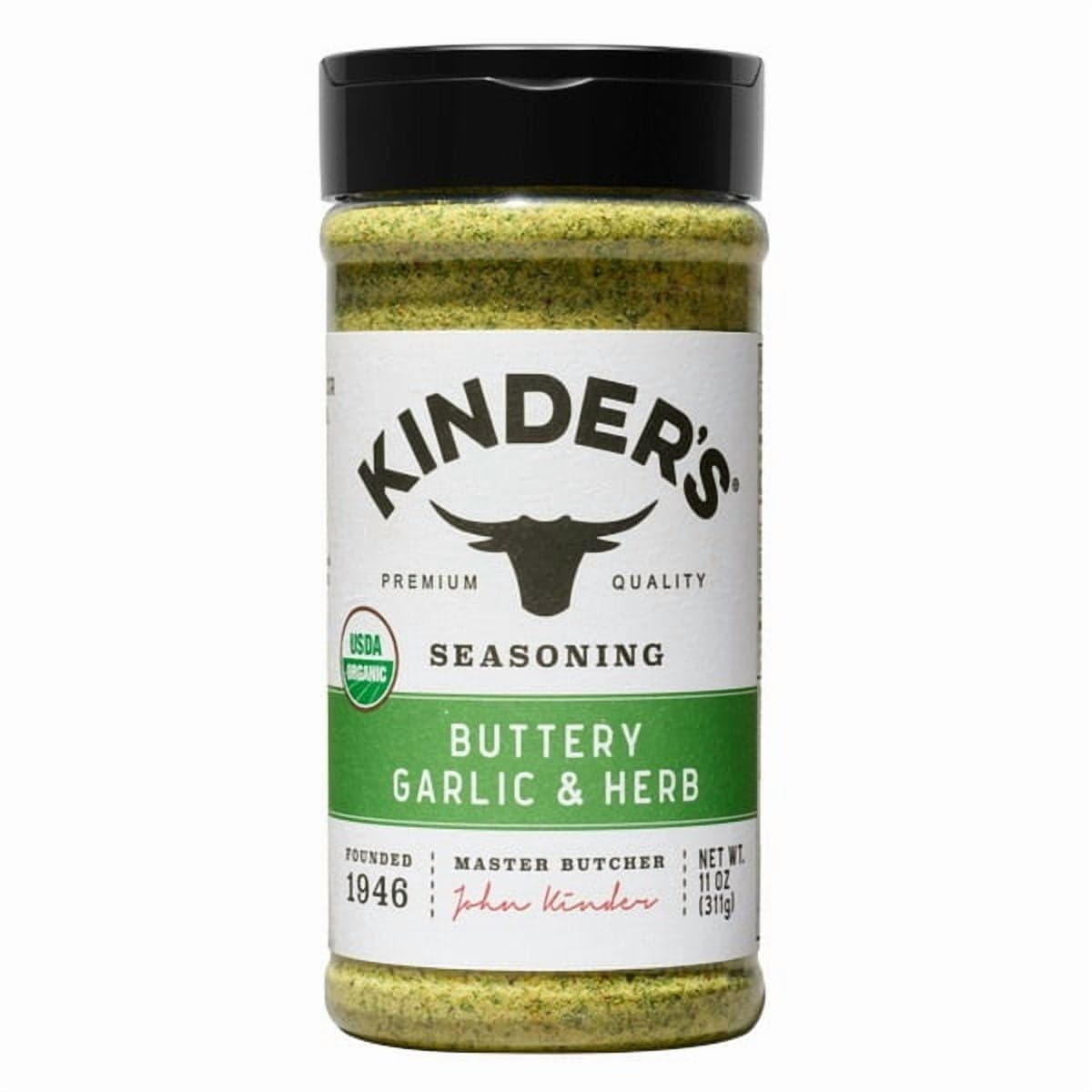
If you only keep one Kinder's blend in your pantry for chicken, make it Kinder's Buttery Garlic and Herb Seasoning. This USDA Organic blend combines garlic, parsley, chives, and butter powder into a formula that works on literally every part of the chicken and every cooking method.
We tested it on bone-in thighs, boneless breasts, whole roasted birds, and wings. It delivered every time. The garlic is pronounced but not harsh, the herbs add brightness without tasting like a salad, and the butter powder creates a golden-brown crust when the chicken hits heat.
The organic certification also means no MSG, no artificial flavors, and no weird aftertaste—just clean, layered flavor that lets the chicken shine. It's especially good for weeknight rotisserie-style chicken or when you're cooking for people with different spice tolerances.
Best for: Whole roasted chicken, bone-in thighs, sheet-pan chicken and vegetables, meal prep
Pro tip: Pat your chicken completely dry before seasoning. The butter powder needs direct contact with the protein to caramelize properly. Wet skin just steams and turns gray.
2. Kinder's The Blend – Best for Grilled Chicken Breasts
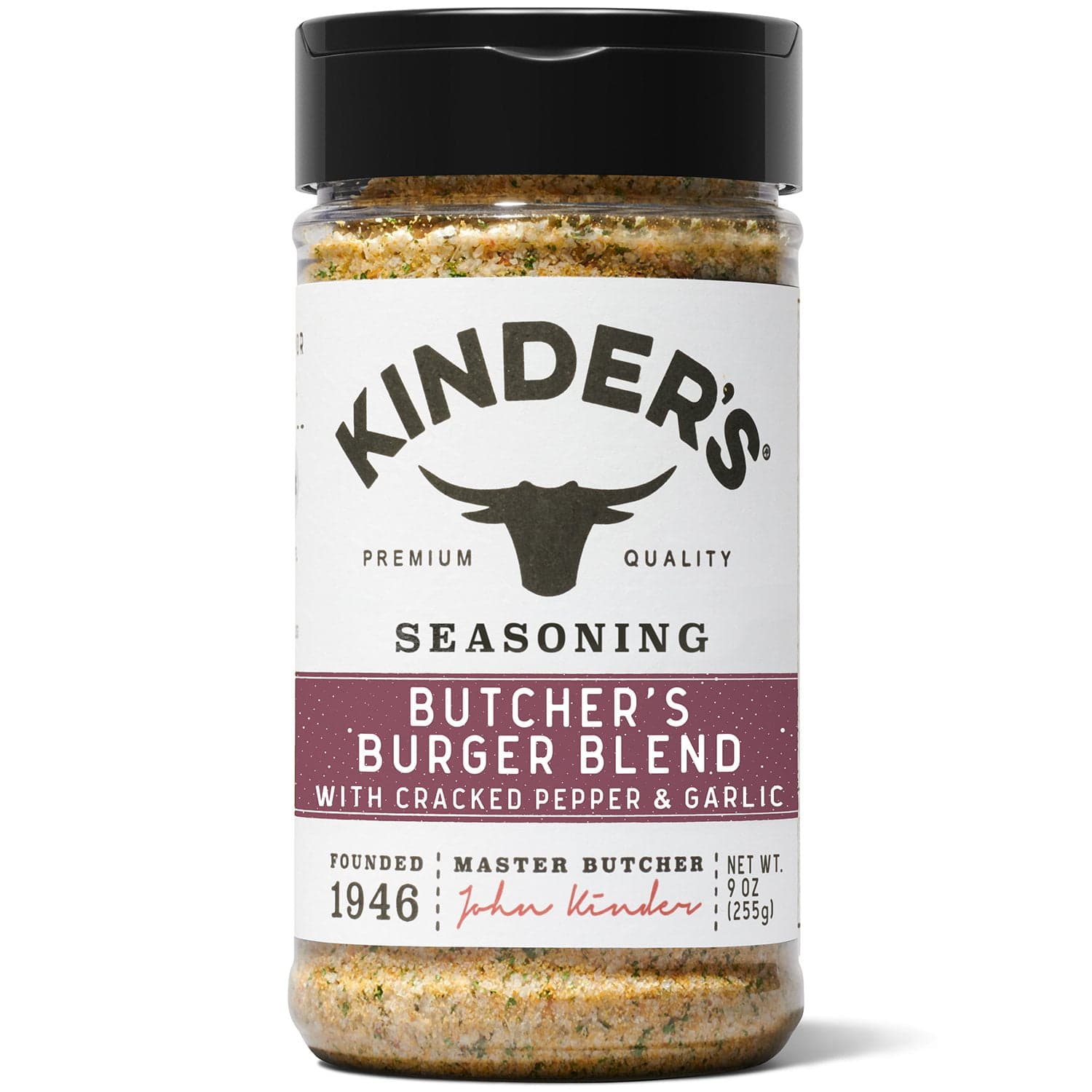
Chicken breasts are notoriously easy to overcook and under-season. Kinder's The Blend solves both problems with a straightforward mix of salt, pepper, and garlic that amplifies the natural flavor of the meat without overpowering it.
This is the blend to reach for when you want clean, steakhouse-style chicken that pairs with any side dish or sauce. We found it especially valuable for grilled chicken breasts destined for salads, grain bowls, or slicing over pasta. It doesn't compete with other flavors—it just makes the chicken taste more like chicken.
The garlic in The Blend is roasted and mellow, not raw or sharp. That means you can use a heavy hand without worrying about bitterness, which is critical when you're trying to season a thick breast all the way through.
Best for: Grilled chicken breasts, pounded cutlets, chicken for meal-prep bowls, any recipe where chicken is a component rather than the star
Pro tip: Season breasts at least 30 minutes before cooking, or even overnight. The salt in The Blend will penetrate and brine the meat slightly, leading to juicier results and better browning.
3. Kinder's Woodfired Garlic – Best for Bone-In, Skin-On Chicken
Bone-in, skin-on chicken pieces—thighs, drumsticks, quarters—benefit from bold, smoky seasonings that can stand up to longer cooking times and richer fat content. Kinder's Woodfired Garlic delivers exactly that with roasted garlic, black pepper, and a subtle smoke profile that mimics live-fire cooking even if you're just using a sheet pan.
We ran this blend on bone-in thighs in a 425°F oven and on drumsticks over charcoal. Both times, the seasoning formed a dark, savory crust that tasted like it came off a wood-fired grill. The garlic caramelizes without burning, and the smoke flavor deepens as the chicken renders its fat.
This is not a delicate seasoning. It's bold, savory, and unapologetically garlicky. If you love the smell of a BBQ joint or a rotisserie chicken spot, this is your winner.
Best for: Bone-in thighs, drumsticks, chicken quarters, indirect grilling, oven-roasted chicken
Pro tip: After seasoning, let the chicken sit uncovered in the fridge for an hour or two. This dries out the skin, leading to crispier results and better smoke flavor absorption.
4. Kinder's Roast Chicken Garlic & Herbs – Best for Whole Birds and Rotisserie-Style Cooking
Roasting a whole chicken is intimidating for a lot of home cooks, mostly because it's hard to season the bird evenly and get crispy skin without drying out the breast. Kinder's Roast Chicken Garlic & Herbs was designed specifically to solve this problem.
The blend includes rosemary, thyme, garlic, onion, and a touch of citrus. It's balanced for slow, even roasting, meaning the herbs don't burn and the garlic doesn't turn acrid even after 75 minutes in the oven. We used it on a five-pound bird rubbed inside and out, and the result was restaurant-quality: crispy, golden skin and meat that stayed juicy all the way to the bone.
This is also the seasoning we'd recommend if you're using a rotisserie attachment on your grill or an air-fryer rotisserie basket. The formula clings well to skin and doesn't fall off during rotation.
Best for: Whole roasted chicken, spatchcocked birds, rotisserie chicken, air-fryer whole chicken
Pro tip: Use about one tablespoon per pound of chicken. Season under the skin as well as on top for maximum flavor penetration.
5. Kinder's Grilled Chicken Seasoning – Best for Quick Weeknight Cutlets and Tenders
Sometimes you just need to get dinner on the table in under 20 minutes, and that usually means thin-cut chicken breasts, tenders, or cutlets. Kinder's Grilled Chicken Seasoning is optimized for fast, high-heat cooking with a formula that develops color quickly without burning.
The blend features garlic, onion, paprika, and a hint of citrus. It's mild enough for kids but flavorful enough that adults won't feel like they're eating baby food. We tested it on pounded chicken breasts in a cast-iron skillet and on tenders in a 400°F air fryer. Both came out with a golden crust and balanced flavor in under ten minutes of cook time.
This is the weeknight workhorse—the blend you reach for when you need reliable flavor without thinking too hard.
Best for: Chicken tenders, thin-cut breasts, pounded cutlets, stir-fry chicken, air-fryer chicken strips
Pro tip: Coat chicken lightly with oil or cooking spray before seasoning. The paprika in the blend needs fat to bloom properly, and dry chicken won't develop the right color.
6. Kinder's Lemon Butter Dill – Best for Lighter, Spring and Summer Dishes
Not every chicken dinner needs to taste like BBQ or a steakhouse. Sometimes you want something brighter, lighter, and more versatile for pairing with salads, rice, or grilled vegetables. That's where Kinder's Lemon Butter Dill Seasoning comes in.
This blend combines real lemon peel, dill, garlic, and butter powder into a seasoning that tastes like summer. We used it on grilled chicken thighs served over orzo, baked chicken breasts with asparagus, and pan-seared cutlets for grain bowls. Every application felt fresh and restaurant-quality without being fussy.
The lemon is bright but not sour, the dill is herbal without tasting like pickles, and the butter powder adds just enough richness to balance the acidity. It's a rare seasoning that works equally well on chicken and fish, making it a great pick for mixed-protein households.
Best for: Grilled chicken thighs, baked chicken with vegetables, chicken for grain bowls, Mediterranean-style dishes
Pro tip: Add a squeeze of fresh lemon juice after cooking to amplify the citrus notes. The seasoning provides the base; fresh citrus makes it pop.
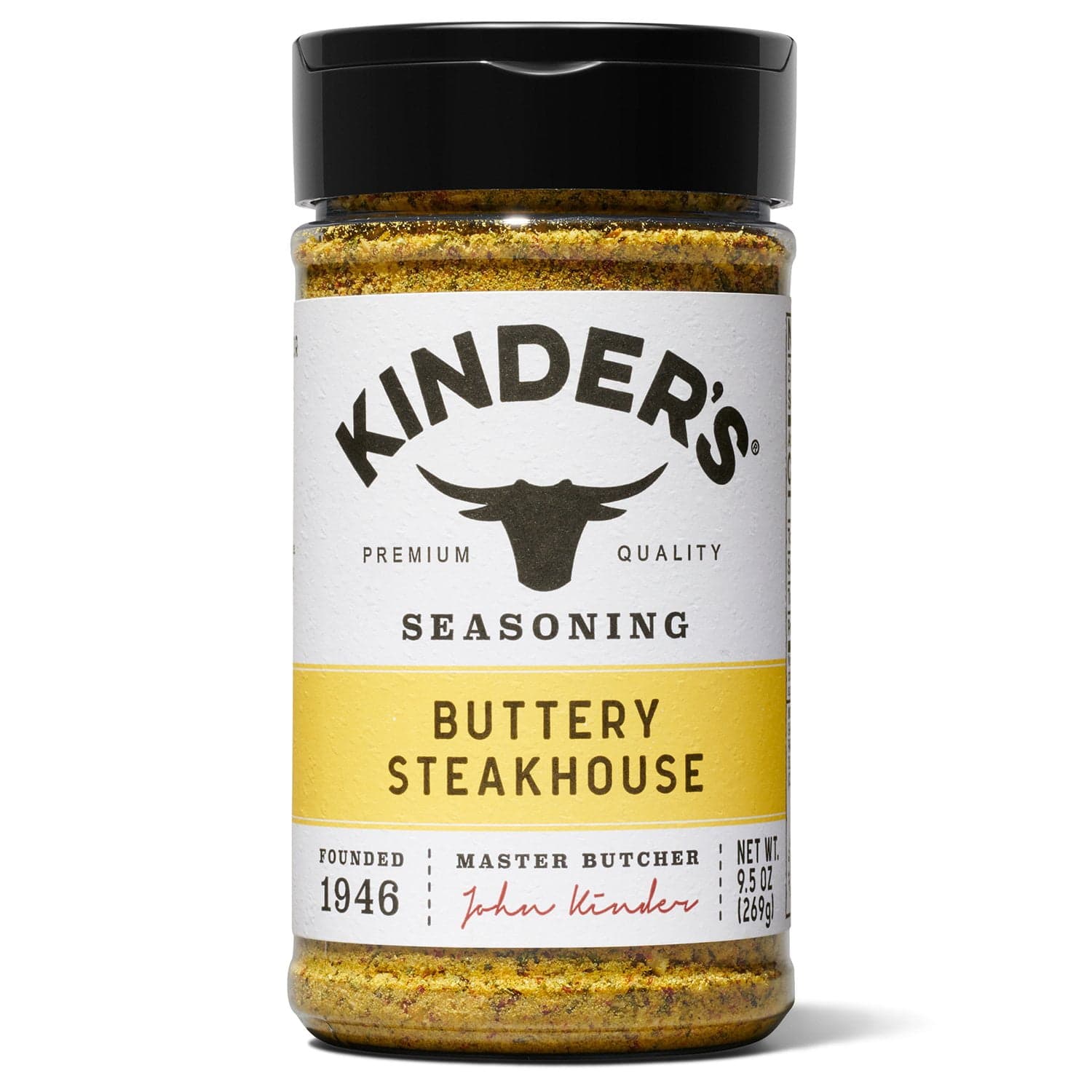
7. Kinder's Buttery Steakhouse – Best for Thick Chicken Breasts and High-Heat Searing
Thick chicken breasts—the kind that weigh eight ounces or more—need aggressive seasoning and high heat to develop a proper crust before the interior overcooks. Kinder's Buttery Steakhouse Seasoning was designed for beef, but it's secretly one of the best options for big chicken breasts cooked in cast iron or on a screaming-hot grill.
The blend layers butter powder, garlic, black pepper, and umami-rich yeast extract into a formula that caramelizes fast and creates a dark, savory crust. We tested it on a ten-ounce chicken breast seared in a cast-iron skillet with avocado oil, and the result was steakhouse-quality: a mahogany crust and juicy interior with zero dryness.
This is a bold, savory, almost meaty-tasting seasoning. If you like your chicken to taste more like steak, this is your winner.
Best for: Thick chicken breasts, cast-iron seared chicken, high-heat grilling, chicken for sandwiches
Pro tip: Use a meat thermometer and pull the chicken at 160°F. The carryover heat will bring it to 165°F while it rests, and you'll avoid the rubbery texture that comes from overcooking.
How to Apply Kinder's Seasonings to Chicken for Maximum Flavor
Even the best seasoning can fall flat if you apply it wrong. Here are the techniques that actually matter.
Dry the Chicken First
This is the single most important step. Wet chicken skin or wet meat won't brown properly, and the seasoning will turn into a gray paste instead of a flavorful crust. Pat every surface completely dry with paper towels before you season.
Use More Than You Think
Most home cooks under-season chicken by a factor of two or three. A general rule: use about one teaspoon of seasoning per side for a chicken breast, and about two teaspoons per pound for bone-in pieces or whole birds. You want visible coverage across the entire surface.
Season Ahead When Possible
Salt-based seasonings work best when they have time to penetrate the meat. Even 30 minutes makes a difference. For bone-in chicken or whole birds, season up to 24 hours ahead and store uncovered in the fridge to dry out the skin.
Add Fat for Even Browning
Kinder's seasonings contain butter powder, but they still benefit from added fat during cooking. Brush chicken lightly with oil, melted butter, or ghee before seasoning, or use a quick spray of cooking oil. This helps the seasoning bloom and the chicken brown evenly.
Common Mistakes When Seasoning Chicken (and How to Fix Them)
Even experienced cooks make these errors. Here's how to avoid them.
- Seasoning frozen or partially frozen chicken: The seasoning won't stick, and the chicken will steam instead of brown. Always thaw completely and pat dry before seasoning.
- Using the same seasoning for every method: Delicate seasonings burn at high heat. Bold, smoky blends get lost in slow cooking. Match your blend to your cooking method.
- Skipping the rest period: Letting seasoned chicken sit for even ten minutes allows the salt to begin breaking down proteins, leading to juicier meat and better browning.
- Overcrowding the pan: If your chicken pieces are touching, they'll steam instead of sear. The seasoning won't caramelize, and you'll end up with gray, rubbery meat. Cook in batches if necessary.
- Not tasting as you go: Different blends have different salt levels. Taste a small piece before committing a whole batch, especially if you're cooking for guests.
Quick Comparison: Which Kinder's Chicken Seasoning Should You Choose?
Here's a fast reference guide to help you decide based on what you're cooking tonight.
- Cooking a whole bird? Roast Chicken Garlic & Herbs or Buttery Garlic and Herb
- Grilling breasts? The Blend or Grilled Chicken Seasoning
- Making wings? Woodfired Garlic or Buttery Steakhouse
- Weeknight stir-fry or tenders? Grilled Chicken Seasoning or The Blend
- Light, fresh summer dish? Lemon Butter Dill
- Bold, steakhouse-style? Buttery Steakhouse or Woodfired Garlic
- Meal-prep chicken for bowls? Buttery Garlic and Herb or The Blend
Beyond Basic Seasoning: Layering Kinder's Blends with Sauces and Marinades
Kinder's seasonings work beautifully on their own, but they also layer well with marinades, glazes, and finishing sauces. Here are a few proven combinations.
Start with Buttery Garlic and Herb on bone-in thighs, then brush with Kinder's Honey Hot BBQ Sauce during the last five minutes of cooking. The seasoning provides the base, the sauce adds sweet heat and glaze.
Use The Blend on grilled chicken breasts, then slice and serve over rice with a drizzle of Bachan's Japanese BBQ Sauce for an easy teriyaki-style bowl. The simple seasoning lets the sauce shine without competing.
Season wings with Woodfired Garlic, bake until crispy, then toss in melted butter mixed with extra seasoning for a dry-rub buffalo alternative. You get all the flavor without the wet mess.
Storing and Handling Kinder's Seasonings for Maximum Freshness
Kinder's seasonings contain butter powder and other fat-based ingredients, which means they can lose potency if stored improperly. Keep bottles tightly sealed, store in a cool, dark cabinet away from the stove, and avoid introducing moisture by using a dry spoon every time.
Most blends stay fresh for 18 to 24 months unopened, and about 12 months after opening if stored correctly. If the seasoning starts to clump or smells stale, it's time to replace it. Fresh seasoning equals better flavor, especially on something as mild as chicken.
Final Verdict: Start with These Two, Then Build Your Collection
If you're new to Kinder's seasonings or just want a simple starting point, buy Buttery Garlic and Herb and The Blend first. Those two cover 90 percent of chicken cooking scenarios, from whole roasted birds to quick weeknight breasts.
Once you've dialed in your technique, add one specialty blend based on how you cook most often. Grill a lot? Grab Woodfired Garlic. Love light, fresh flavors? Pick up Lemon Butter Dill. Want steakhouse-style chicken? Buttery Steakhouse is your move.
The goal isn't to own every bottle—it's to own the right bottles for how you actually cook. With the seven seasonings covered in this guide, you'll never serve boring chicken again.
Ready to upgrade your chicken game? Grab your first bottle, pat your chicken dry, and season it like you mean it. Your weeknight dinners just got a whole lot better.
Shop the products mentioned in this article
Free shipping on every order. No minimums, no gimmicks.