Best Kinder's Seasoning for Steak: 6 Blends That Beat Steakhouse Quality
Kinder's makes some of the best steak seasonings on the market, but which one belongs on your ribeye? We tested six top blends to find the winners for every cut and cooking method.
Kinder's has built a cult following among steak lovers, but walk into any grocery store and you'll face a wall of their seasonings—all promising steakhouse results at home. If you've ever stood there wondering which bottle actually delivers, you're not alone. We're breaking down the six best Kinder's seasonings for steak, what makes each one different, and exactly which cuts and cooking methods they're built for.
Whether you're reverse-searing a thick ribeye, grilling weeknight strip steaks, or pan-searing filet mignon, the right seasoning makes the difference between good and unforgettable. Let's find your perfect match.
What Makes a Great Steak Seasoning
Before we dive into specific Kinder's blends, let's talk about what separates average steak seasoning from the stuff that makes you close your eyes on the first bite.
First, balance. The best steak seasonings enhance beef's natural flavor without burying it. You want savory depth, a hint of sweetness to encourage crust formation, and enough salt to pull moisture to the surface for that perfect sear. Garlic and herbs round things out, but they should support—not dominate.
Second, texture matters. Coarser grinds hold up better to high heat and create more interesting crust texture. Fine powders distribute more evenly but can burn if you're not careful. The sweet spot is a blend that includes both.
Third, versatility. While we're focusing on steak here, the truly great seasonings work across proteins and cooking methods. That 10-ounce bottle shouldn't be a one-trick pony.
The Six Best Kinder's Seasonings for Steak
1. Kinder's Buttery Steakhouse – The Gold Standard
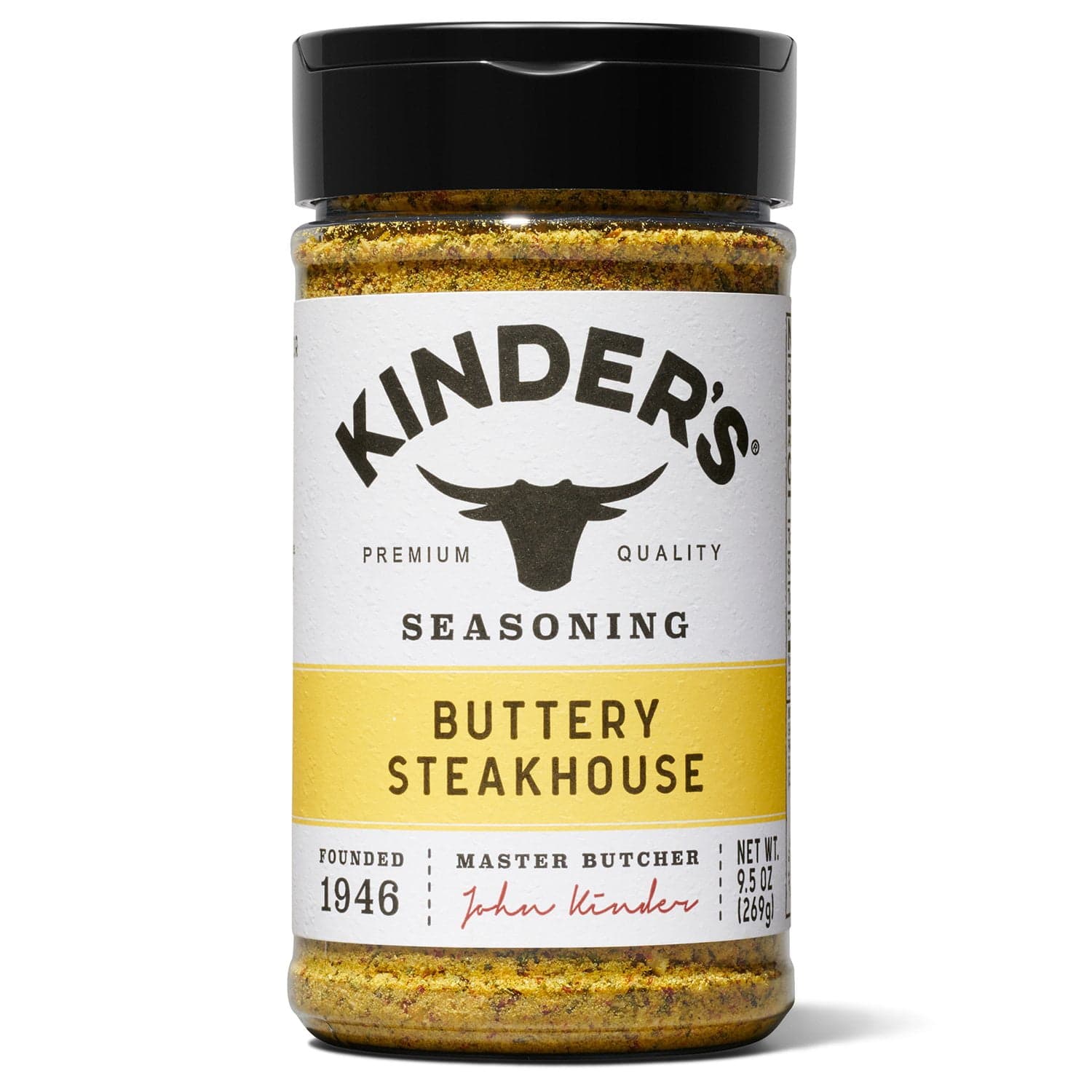
If you only buy one Kinder's seasoning for steak, make it Kinder's Buttery Steakhouse. This is the blend that put Kinder's on the map with serious home grillers, and for good reason.
The flavor profile hits every note you want on a great steak: rich, savory, garlicky, with that subtle buttery finish that makes people think you basted your meat halfway through cooking. It works on every cut from budget flank steak to Prime ribeye, and it shines across every cooking method—grill, cast iron, sous vide, even broiler.
The texture creates an exceptional crust. There's enough coarse salt and sugar in the blend to pull surface moisture and caramelize beautifully under high heat. The result is that steakhouse exterior—dark, crispy, deeply flavorful—that makes cutting into a steak feel like an event.
Use about one tablespoon per pound of steak. For thicker cuts (1.5 inches or more), season generously 40 minutes before cooking and leave uncovered in the fridge. This dry-brining step makes a noticeable difference. For thinner steaks or quick weeknight cooks, season right before the meat hits heat.
Buttery Steakhouse is also brilliant on baked potatoes, roasted vegetables, and—surprisingly—popcorn. The 9.5-ounce bottle goes fast in steak-loving households.
2. Kinder's The Blend – Simple Perfection
Sometimes the best seasoning is the simplest. Kinder's The Blend is just salt, pepper, and garlic, but the ratios are dialed in so precisely that it outperforms most homemade SPG blends.
This is your move when you've invested in truly great beef—dry-aged ribeye, Japanese A5 wagyu, or grass-fed local strip steak—and you want the meat to be the star. The Blend amplifies what's already there without adding competing flavor notes.
The black pepper is coarsely cracked, not powdered, which gives you those sharp little bursts of heat and aromatics. The garlic is toasted, not raw, so it adds savory depth without the harshness. And the salt is properly flaky, which means better texture and more even distribution.
Use The Blend for high-heat searing methods: cast iron, grill grates, or screaming-hot charcoal. The coarse grind holds up better than fine powders, and you get beautiful pepper bark on the exterior.
It's also the most versatile bottle in the Kinder's lineup. Use it on chicken, pork, vegetables, eggs, pasta—anywhere you'd normally reach for salt and pepper. The 10.5-ounce size is a steal for something you'll use daily.
3. Kinder's Prime Steak Black Garlic & Truffle – Elevated and Indulgent
When you want to impress—date night, birthday steaks, or you just splurged on a beautiful cut—reach for Kinder's Prime Steak Black Garlic & Truffle.
This is Kinder's luxury offering, and it tastes like it. The black garlic adds a sweet, almost balsamic complexity that's miles away from raw garlic's punch. The truffle is subtle but present—earthy, aromatic, sophisticated. Combined with the savory base, it creates a flavor profile that feels restaurant-special without tipping into gimmicky.
This seasoning works best on naturally tender, well-marbled cuts: ribeye, strip steak, tenderloin, or bone-in filet. The richness of the beef stands up to the bold seasoning without either one overpowering the other.
For cooking method, this blend shines with anything that allows for basting—cast iron with butter and herbs, or grill-roasting thicker cuts where you can brush on extra fat in the final minutes. The truffle notes bloom beautifully when they meet hot butter.
Use a slightly lighter hand here than with Buttery Steakhouse. About two teaspoons per pound is plenty. The flavors are concentrated, and you don't want to mask the beef.
Fair warning: this seasoning is polarizing. Truffle lovers think it's genius. Truffle skeptics find it too much. If you've never been sure about truffle, start with a smaller steak as a test run.
4. Kinder's Dry-Aged Steak Seasoning – Bold and Funky
Want the deep, nutty, almost blue-cheese funk of dry-aged beef without the $40-per-pound price tag or the two-week wait? Kinder's Dry-Aged Steak Seasoning is designed to mimic some of those flavors on regular grocery store beef.
The blend includes umami-rich ingredients that echo the concentrated, complex flavor dry-aging develops. You get savory depth, a hint of fermented richness, and that hard-to-describe "meatiness" that makes great steakhouses great.
This seasoning works particularly well on less expensive cuts that benefit from flavor reinforcement: sirloin, top round, flat iron, or even thick-cut chuck steaks. It won't turn Select beef into Prime, but it will make a noticeable difference in how rich and satisfying the final steak tastes.
For cooking, this blend loves slow, gentle heat followed by a hard sear. Try reverse-searing: season your steak, cook it low in a 250°F oven until it hits 115°F internal, then blast it in a ripping-hot cast iron pan for 60 seconds per side. The slow cook lets the seasoning penetrate; the sear caramelizes it into a crust.
It's also excellent on burgers—especially smash burgers where you get maximum crust contact with the griddle. The umami punch makes even 80/20 ground beef taste more complex and interesting.
5. Kinder's Whiskey Peppercorn – For Pepper Lovers
If you're the person who always asks for extra cracked pepper at restaurants, Kinder's Whiskey Peppercorn was made for you.
This blend is pepper-forward in the best way. You get multiple types of peppercorns—black, white, and pink—each contributing different heat levels and aromatic notes. The whiskey barrel seasoning (not actual whiskey, but spices aged in whiskey barrels) adds a subtle smoky-sweet undertone that's more suggestion than statement.
The flavor profile works beautifully on leaner cuts that benefit from bold seasoning: strip steak, tenderloin, or even flank and skirt steak. The pepper heat cuts through richness without needing tons of fat to balance it.
This is your go-to for classic steak au poivre at home. Press the seasoning into both sides of your steak, sear in a hot pan with butter, then deglaze with a splash of cream and brandy for an instant pan sauce. Restaurant quality in 15 minutes.
It's also fantastic on grilled steak salads, where the bright pepper notes play well with greens and vinaigrette. And it makes an excellent rim for a Bloody Mary if you're feeling creative.
6. Kinder's Brazilian Steakhouse – For Churrasco-Style Cooking
If you've ever been to a Brazilian steakhouse and wondered how they get that distinctive flavor on those endless skewers of meat, Kinder's Brazilian Steakhouse is your answer at home.
This seasoning is built around coarse rock salt, garlic, and a hint of citrus—the traditional churrasco profile. It's simpler than some of the other blends on this list, but that simplicity is the point. Brazilian steakhouse cooking is all about high-quality meat, hot fire, and just enough seasoning to enhance without masking.
Use this on cuts you'd traditionally cook on skewers: picanha (top sirloin cap), flank steak, or tri-tip. The coarse salt creates an amazing crust when the meat hits high heat, and the garlic and citrus notes brighten the beefiness without competing with it.
For cooking method, this blend is made for grilling—charcoal if possible, gas if that's what you have. The smoke and char are part of the flavor profile. Skewer your meat or cook it in large pieces, then slice thin against the grain to serve. That's the traditional churrasco approach, and it works.
It's also excellent on grilled vegetables, particularly bell peppers, onions, and zucchini. Toss them with olive oil and a generous sprinkle of Brazilian Steakhouse before hitting the grill.
How to Use Kinder's Seasonings on Steak (The Right Way)
Even the best seasoning won't save poorly executed technique. Here's how to get the most out of any Kinder's steak blend.
Timing Matters
For thick steaks (1.5 inches or more), season generously and let them rest uncovered in the refrigerator for 30-60 minutes before cooking. This dry-brine period allows the salt to penetrate deeper into the meat and pulls surface moisture out, which means better crust formation.
For thin steaks (under an inch), season right before cooking. The short cooking time doesn't give salt much chance to penetrate anyway, and you don't want the surface to get too wet before searing.
Use Enough Seasoning
Most home cooks under-season their steaks. A good rule of thumb is about one tablespoon of seasoning per pound of meat. That sounds like a lot, but remember: you're seasoning the exterior only, and a significant portion will stay on the cutting board or pan. Be generous.
Pat Dry Before Cooking
Even if you've dry-brined your steak, pat it completely dry with paper towels right before it hits the heat. Any surface moisture will steam instead of sear, and you'll lose that crucial crust. Dry exterior equals better Maillard reaction equals more flavor.
High Heat Is Your Friend
Kinder's seasonings are formulated to create crust at high temperatures. Don't be timid. Get your grill, cast iron pan, or grill pan absolutely screaming hot before the steak goes on. You want to hear an immediate, aggressive sizzle.
Let It Rest
After cooking, let your steak rest for 5-10 minutes before cutting. This allows juices to redistribute and ensures every bite is moist. The seasoned crust will stay crispy, and the flavors will have a chance to settle and meld.
Matching Seasonings to Specific Cuts
Different cuts have different personalities, and they pair better with certain seasoning profiles. Here's a quick-reference guide.
Ribeye
This is the most marbled, richest cut. It can handle bold seasonings. Best matches: Buttery Steakhouse (classic), Prime Steak Black Garlic & Truffle (elevated), or Whiskey Peppercorn (if you want heat to cut the fat).
Strip Steak (New York Strip)
Leaner than ribeye but still well-marbled, with a beefier flavor. Best matches: The Blend (to let the beef shine), Buttery Steakhouse (classic steakhouse vibe), or Dry-Aged Steak (to boost depth).
Filet Mignon / Tenderloin
The most tender cut but also the least flavorful on its own. It needs seasoning to shine. Best matches: Prime Steak Black Garlic & Truffle (luxury on luxury), Whiskey Peppercorn (classic pairing), or Buttery Steakhouse (safe bet).
Sirloin
Leaner and less expensive, but great flavor if you treat it right. Best matches: Dry-Aged Steak (adds complexity), Brazilian Steakhouse (traditional pairing), or Buttery Steakhouse (makes budget beef taste premium).
Flank / Skirt Steak
Thin, flavorful, best sliced against the grain. Best matches: Brazilian Steakhouse (built for this), Whiskey Peppercorn (bright and bold), or The Blend (simple and clean).
Beyond Steak: Other Uses for These Seasonings
One of the best things about Kinder's steak seasonings is that they're not one-trick ponies. Here are some of our favorite non-steak applications.
- Burgers: Any of these seasonings will transform ground beef. Mix it into the meat or use it as a crust on smash burgers.
- Roasted vegetables: Toss Brussels sprouts, cauliflower, or carrots with olive oil and any of these blends before roasting at high heat.
- Baked potatoes: Buttery Steakhouse on a loaded baked potato is borderline life-changing.
- Chicken thighs: The Blend and Brazilian Steakhouse are particularly good on dark meat chicken.
- Pork chops: Whiskey Peppercorn and Buttery Steakhouse both excel here.
- Popcorn: Melt butter, toss hot popcorn, sprinkle with Buttery Steakhouse or Whiskey Peppercorn. Thank us later.
- Compound butter: Mix any of these into softened butter, roll into a log, refrigerate, and slice onto hot steaks or vegetables.
Common Mistakes to Avoid
Even great seasoning can't fix these common errors. Watch out for these pitfalls.
Using Cold Meat
Take your steak out of the fridge 30-45 minutes before cooking (after seasoning if you're doing a quick cook, before seasoning if you're dry-brining). Cold meat cooks unevenly and takes longer to reach temperature, which means more time for the exterior to overcook.
Overcrowding the Pan
If you're cooking multiple steaks in a pan, leave space between them. Crowding drops the pan temperature and causes steaming instead of searing. Cook in batches if necessary.
Flipping Too Often
Let your steak develop a proper crust before flipping. For most cuts and cooking methods, one flip is enough. The only exception is if you're actively basting with butter or dealing with uneven heat.
Cutting Into It Immediately
We mentioned this earlier, but it bears repeating: let your steak rest. Cut into it immediately and all those juices you worked to preserve will run out onto your cutting board instead of staying in the meat.
Not Tasting as You Go
Every bottle of seasoning can vary slightly, and every piece of meat is different. If you're trying a new blend, start with slightly less than you think you need. You can always add more, but you can't take it back.
The Verdict: Which Kinder's Seasoning Should You Buy?
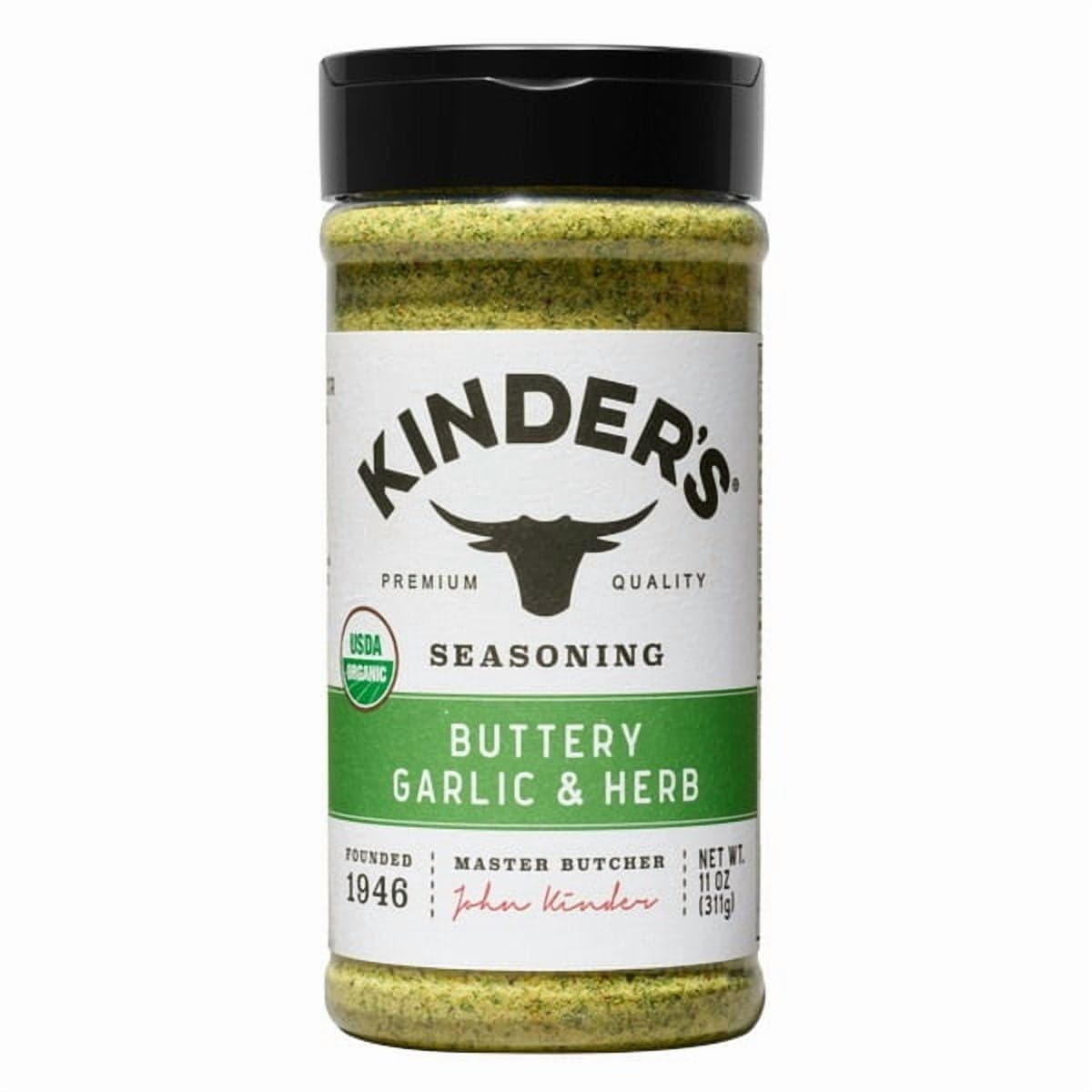
If you're only buying one, Kinder's Buttery Steakhouse is the safest bet. It delivers consistent, crowd-pleasing results on every cut and cooking method, and it's versatile enough for non-steak applications.
If you're building a collection, add The Blend for when you want simplicity, and Whiskey Peppercorn or Prime Steak Black Garlic & Truffle for when you want to get creative.
The truth is, you can't really go wrong with any of these. Kinder's has earned its reputation by delivering consistent quality and smart flavor combinations. The "best" seasoning is ultimately the one that matches your taste preferences and the cut of beef you're cooking.
Ready to level up your steak game? Grab a bottle (or three), fire up your grill or cast iron, and taste the difference that professional-grade seasoning makes. Your next ribeye will thank you.
Shop the products mentioned in this article
Free shipping on every order. No minimums, no gimmicks.