Clay Pot Beef & Chicken Stew: Ancient Technique Meets Modern Flavor
Clay pot stews deliver unmatched depth and tenderness. Learn how to build a hearty beef and chicken stew with vegetables, toasted flour gravy, and bold seasonings.
Clay pot cooking is having a renaissance, and for good reason. This ancient technique creates stews with incredible depth, tender meat, and a texture you simply can't replicate in metal cookware. A hearty beef and chicken stew baked in clay pots combines the best of both worlds: rich, slow-cooked flavor and the unique heat distribution that only earthenware provides. Whether you're a seasoned home cook or just getting started with one-pot meals, this approach will change how you think about weeknight comfort food.
The magic happens when you combine two proteins—beef for its deep, savory richness and chicken for lighter notes—with earthy vegetables and a gravy thickened the old-fashioned way with toasted flour. The result is a dish that tastes like it simmered for hours, even when your actual hands-on time is minimal.
Why Clay Pot Cooking Works So Well for Stews
Clay pots have been used for thousands of years across cultures from Morocco to China, and the science behind their success is simple: porous earthenware absorbs and distributes heat evenly, creating gentle, consistent cooking that tenderizes tough cuts and melds flavors seamlessly.
Unlike metal pots that create hot spots, clay vessels heat slowly and maintain a stable temperature throughout the cooking process. This means your beef and chicken cook at the same gentle pace, preventing the chicken from drying out while the beef becomes fork-tender. The porous nature of clay also allows moisture to circulate, creating a self-basting environment that keeps everything juicy.
Another benefit: clay pots retain heat exceptionally well. Once you pull your stew from the oven, it stays hot at the table for 30 minutes or more, making it perfect for family-style serving. The presentation is rustic and impressive—bring the pot straight from oven to table and let everyone serve themselves.
Choosing Your Proteins: The Beef and Chicken Combination
The dual-protein approach might seem unconventional if you're used to single-meat stews, but it's common in many European and Latin American traditions. Beef provides the deep, mineral-rich base notes while chicken adds lighter, more delicate flavor. Together, they create a complex broth that's more interesting than either meat alone.
For beef, choose a cut with good marbling and connective tissue. Chuck roast, beef shank, or short ribs all work beautifully. You want something that benefits from long, slow cooking—the collagen breaks down into gelatin, enriching the gravy and making the meat melt-in-your-mouth tender. Cut your beef into 1.5 to 2-inch chunks, larger than typical stew meat, so they don't fall apart during the extended cooking time.
For chicken, bone-in, skin-on thighs are the only way to go. They stay moist during long cooking and the bones add body to the sauce. Breasts will dry out and turn stringy—save those for quick weeknight dinners. Leave the thighs whole or halve them if they're particularly large. The skin crisps slightly where it sits above the liquid, adding textural contrast.
The Vegetable Foundation: Building Layers of Flavor
A great stew starts with aromatic vegetables that form the flavor foundation. The classic combination—onions, carrots, and garlic—is classic for a reason, but mushrooms and potatoes take this from simple to substantial.
Start with onions. Yellow onions offer the best balance of sweetness and sharpness for stews. Dice them into chunks rather than fine mince—you want distinct pieces that hold their shape but soften into silky sweetness after hours in the pot. Plan on one large onion per clay pot if you're making individual servings, or two to three for a family-size vessel.
Carrots add natural sweetness and color. Peel them and cut into thick rounds or bias-cut pieces about an inch thick. Too thin and they'll disintegrate; too thick and they won't cook through. Rainbow carrots make for a prettier presentation if you can find them.
Mushrooms bring umami depth that amplifies the meatiness of your stew. Cremini (baby bella) mushrooms have more flavor than white buttons and hold their shape better. Quarter them if large, halve if medium. Shiitake mushrooms add an even deeper, almost smoky note, though they're pricier—mix half cremini, half shiitake for the best value and flavor.
Potatoes make this a true one-pot meal. Yukon golds strike the perfect balance—they're creamy but hold together better than russets. Cut into chunks slightly smaller than your beef pieces. They'll absorb the rich gravy and provide heartiness that makes this dinner complete.
Garlic is non-negotiable. Use whole peeled cloves—at least six to eight per pot. They'll mellow and sweeten as they cook, practically melting into the sauce. Smash them lightly with the side of your knife to release their oils before adding to the pot.
Seasoning Your Stew: Where Bold Flavors Come In
This is where many home cooks fall short. A stew with great ingredients but timid seasoning is just expensive soup. You need to be generous with salt, pepper, and aromatics to bring out the best in your beef and chicken.
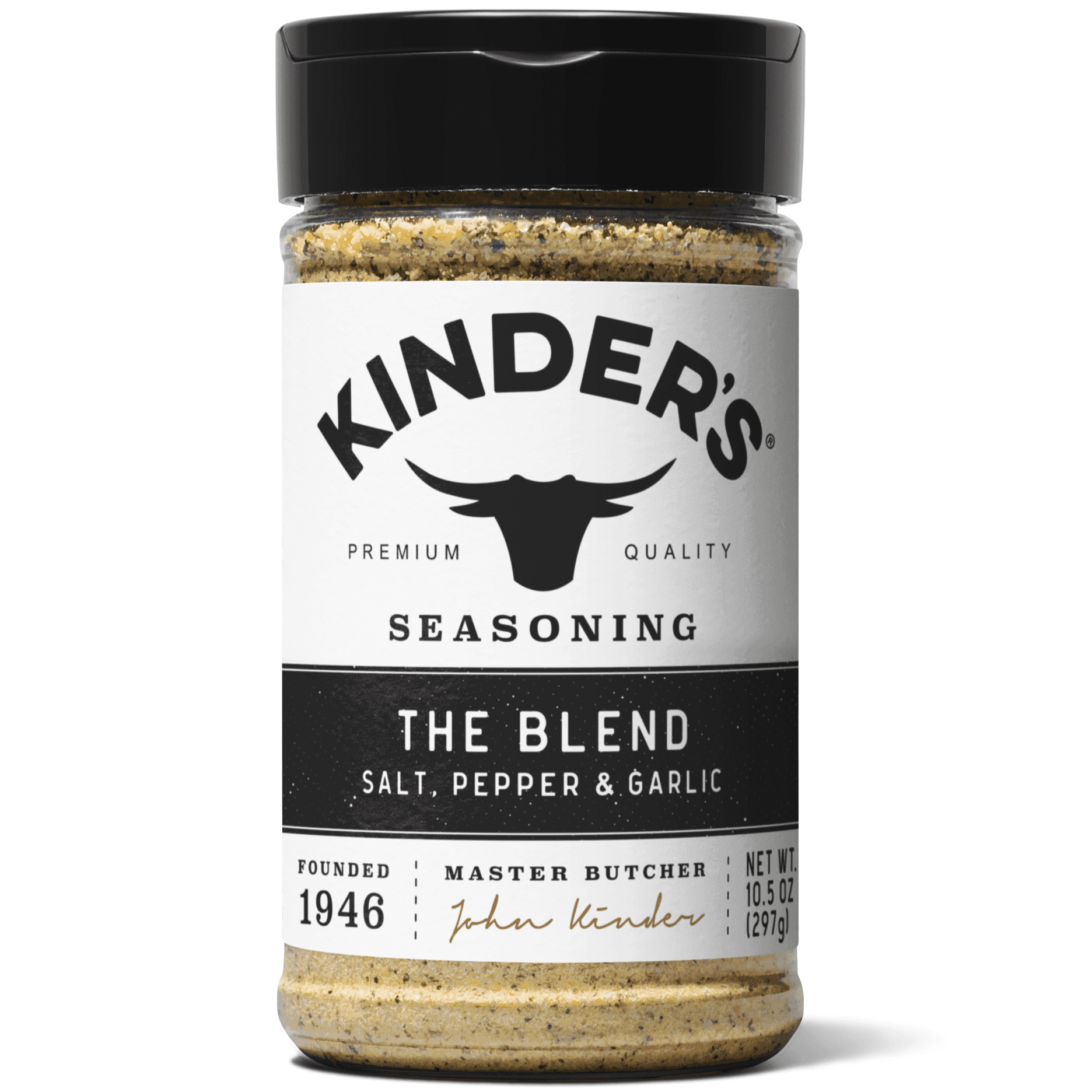
Season your meat aggressively before it goes in the pot. This isn't the time for a light sprinkle—you want a visible coating of seasoning on every piece. A robust blend like Kinder's The Blend is perfect here. It combines salt, pepper, and garlic in ideal proportions for seasoning meat, and the granulated garlic adds another layer of savory depth that complements the fresh garlic cloves in your stew.
For extra complexity, consider adding Kinder's Roast Chicken Garlic & Herbs to your chicken pieces specifically. The herb blend—typically rosemary, thyme, and sage—adds the aromatic brightness that chicken loves, while the beef gets a simpler but bolder treatment. This dual-seasoning approach mirrors the dual-protein concept: each meat gets what it needs to shine.
Don't forget bay leaves, fresh thyme sprigs, and a splash of something acidic near the end—red wine, balsamic vinegar, or even a squeeze of lemon juice. Acid brightens all those deep, slow-cooked flavors and keeps the dish from tasting flat or one-dimensional.
The Toasted Flour Technique: Old-School Gravy Magic
Here's where this stew sets itself apart from the throw-everything-in-and-hope approach. Toasted flour creates a gravy with deep, nutty complexity that plain flour or cornstarch can't match.
The process is simple: spread all-purpose flour in a dry skillet over medium heat. Stir constantly with a wooden spoon or whisk, breaking up any clumps. The flour will gradually change color from stark white to cream, then tan, then a rich golden brown. This takes 10 to 15 minutes—don't rush it. The flour is toasting, not burning, and you want that nutty, almost caramel-like aroma to develop.
As the flour toasts, its starches break down and reconfigure, which does two things: it develops flavor (similar to making a roux), and it slightly reduces thickening power, meaning you get a silky gravy rather than a gluey one. The finished toasted flour should smell like popcorn or toasted nuts, with a color somewhere between peanut butter and light brown sugar.
Once your flour is toasted, immediately transfer it to a cool bowl to stop the cooking. When you're ready to thicken your stew—usually in the last 30 to 45 minutes of cooking—whisk the toasted flour with cool water to create a slurry. Pour it into your bubbling stew while stirring, and watch the liquid transform from brothy to luscious and coating.
Building the Stew: Layering for Maximum Flavor
Order of operations matters. If you toss everything in at once, you'll end up with unevenly cooked ingredients and muddled flavors. Here's the step-by-step for building your clay pot stew.
Step one: Sear your meat. Even though this is a stew, a quick sear adds color and complexity. Heat a heavy skillet with a thin layer of oil until shimmering. Working in batches to avoid crowding, sear your seasoned beef chunks on at least two sides until deep brown. Don't worry about cooking them through—you just want that Maillard crust. Remove and set aside. Repeat with chicken thighs, searing skin-side down first until golden.
Step two: Sauté aromatics. In the same pan with the drippings, add your onions and a pinch of salt. Cook, stirring occasionally, until they start to soften and pick up the brown bits from the pan—that's pure flavor. Add mushrooms and cook until they release their moisture and start to brown. Add garlic in the last minute, just until fragrant.
Step three: Deglaze. Pour in a cup of red wine, beef stock, or even water, and scrape the bottom of the pan vigorously with a wooden spoon. All those caramelized bits dissolve into the liquid—this is the foundation of your gravy.
Step four: Assemble in clay pots. If using individual clay pots, divide ingredients evenly. If using one large pot, layer strategically. Start with half the vegetables on the bottom, add your seared meat, then top with remaining vegetables. Pour the deglazed liquid and enough stock to come about two-thirds up the ingredients—not covering completely. Tuck in bay leaves and thyme sprigs.
Step five: Cover and bake. Clay pots often come with lids; if not, use foil crimped tightly. Bake at 325°F for 2.5 to 3 hours. The low, slow heat does all the work. Check once halfway through—if the liquid is reducing too quickly, add a splash of stock.
Step six: Thicken and finish. In the final 30 to 45 minutes, prepare your toasted flour slurry and stir it in. Return to the oven uncovered to let the gravy thicken and develop a slight glaze on top. Taste and adjust seasoning—you'll almost always need more salt and pepper than you think.
Variations and Customizations
Once you master the basic technique, the variations are endless. Here are some ideas to keep this stew fresh every time you make it.
- Root vegetable mix: Add parsnips, turnips, or celery root alongside or instead of some carrots. They all love slow cooking and add earthy sweetness.
- Tomato-based version: Stir in a couple tablespoons of tomato paste when you sauté the aromatics, or add a can of crushed tomatoes to the braising liquid for a richer, slightly tangy stew.
- White wine and herbs: Swap red wine for white and emphasize lighter herbs like tarragon or parsley for a French-inspired pot-au-feu vibe.
- Spicy kick: Add a pinch of red pepper flakes or a diced jalapeño to the aromatics. A dash of smoked paprika in your seasoning mix also adds warmth without overt heat.
- Asian-inspired twist: Use ginger and scallions in place of some garlic and onions, add a splash of soy sauce, and finish with a drizzle of sesame oil. Momofuku Savory Seasoned Salt would be phenomenal here—it's designed by David Chang to add umami depth to any dish, and it works beautifully in slow-cooked braises.
- Extra richness: Stir in a few tablespoons of butter or a splash of cream in the last 10 minutes for a velvety, luxurious finish.
Serving Suggestions and Pairings
This stew is a complete meal on its own—protein, vegetables, and potatoes all in one pot. But if you want to round it out, here are some excellent pairings.
Crusty bread is essential for soaking up that toasted-flour gravy. A rustic sourdough or French baguette, warmed in the oven and served with salted butter, is perfect. If you want to get fancy, rub the cut side of a garlic clove over the toasted bread before serving.
A simple green salad with a sharp vinaigrette cuts through the richness of the stew. Arugula, frisée, or butter lettuce with lemon juice, olive oil, and a pinch of salt is all you need.
For wine, go with something that has enough body to stand up to the beef but won't overwhelm the chicken. A Côtes du Rhône, Tempranillo, or even a fuller-bodied Pinot Noir all work beautifully. If you prefer beer, a brown ale or amber lager is ideal.
Make-Ahead and Storage Tips
Like most braises, this stew actually improves after a day in the refrigerator. The flavors meld and deepen, and any fat rises to the surface where you can easily skim it off before reheating.
To make ahead, complete the recipe through step six, let cool to room temperature, then refrigerate in the clay pot (if it fits) or transfer to airtight containers. The stew will keep for up to four days in the fridge or three months in the freezer.
To reheat, bring to room temperature for 30 minutes, then warm gently in a 300°F oven until heated through, about 30 to 40 minutes. You can also reheat on the stovetop over low heat, stirring occasionally and adding a splash of stock if it's thickened too much.
One note: if you're freezing, slightly undercook the potatoes. They can become grainy when frozen and reheated. Alternatively, leave them out entirely and add freshly cooked potatoes when you reheat.
Clay Pot Care and Seasoning
If you're new to clay pot cooking, a few care tips will help your pots last for years and develop that beautiful seasoned patina.
Before first use, soak your clay pot in water for at least 30 minutes, ideally a few hours. This saturates the porous clay and prevents it from absorbing too much liquid from your food during cooking. Some traditionalists recommend soaking before every use, though this becomes less critical once your pot is well-seasoned.
Never put a cold clay pot into a hot oven or a hot pot on a cold surface—the thermal shock can crack the clay. Always start clay pots in a cold oven and let them heat gradually. When removing from the oven, place on a wooden board or thick towel, never directly on granite or tile counters.
Clean clay pots with hot water and a brush or soft sponge. Avoid soap when possible—the clay can absorb it and impart off-flavors to future dishes. For stuck-on food, soak in warm water for an hour, then scrub gently. Many clay pot enthusiasts love the darkening and slight staining that develops over time—it's a sign of a well-used, well-loved pot.
Troubleshooting Common Stew Issues
Even experienced cooks run into occasional problems with stews. Here's how to fix the most common issues.
Gravy too thin: Make another small batch of toasted flour slurry and stir it in, then simmer uncovered for 15 to 20 minutes to thicken. Alternatively, remove the meat and vegetables with a slotted spoon, then reduce the liquid on the stovetop over medium-high heat until it reaches the consistency you want.
Gravy too thick: Simply stir in stock or water, a quarter-cup at a time, until you reach the right consistency. Return to heat briefly to incorporate.
Meat still tough: It needs more time. Cover and return to the oven for another 30 to 60 minutes. Tough meat is usually just undercooked—collagen needs time and gentle heat to break down.
Vegetables mushy: You overcooked them or cut them too small. Next time, cut larger chunks and check doneness earlier. Root vegetables should be tender but still hold their shape.
Lacks depth of flavor: You underseasoned or skipped the searing step. Taste and add more salt—it's usually the missing element. A splash of vinegar or a squeeze of lemon can also brighten flat flavors. And always sear your meat for that caramelized crust.
Why This Stew Works for Weeknights (Yes, Really)
A three-hour stew might not sound like weeknight material, but here's the secret: most of that time is hands-off. Your active cooking time is 30 to 40 minutes—the oven does the rest.
Make it on a Sunday and reheat throughout the week, or start it on a weeknight when you get home and let it cook while you help with homework, catch up on email, or simply relax. The house fills with incredible aromas, and dinner is ready when you are.
This is also perfect for cold-weather entertaining. You can prep everything in advance, assemble the pots an hour before guests arrive, and pull them out of the oven just as everyone sits down. The rustic clay pot presentation is impressive without being fussy, and everyone loves serving themselves from a communal pot.
The Takeaway: Slow Cooking, Bold Seasoning, Ancient Vessels
Clay pot beef and chicken stew is comfort food at its finest—deeply satisfying, endlessly adaptable, and surprisingly simple once you understand the technique. The combination of two proteins creates a complex, layered flavor that single-meat stews can't match, while the toasted flour gravy adds a nutty richness that feels both rustic and refined.
Don't skip the seasoning. Bold, generous seasoning is what separates memorable stews from forgettable ones, and quality blends like Kinder's The Blend or Kinder's Roast Chicken Garlic & Herbs make it easy to build deep flavor without a cabinet full of individual spices.
Whether you're cooking for family, prepping for the week, or impressing guests, this clay pot stew delivers every time. Master the technique once, and you'll find yourself returning to it all season long—tweaking vegetables, experimenting with seasonings, and discovering just how versatile this ancient cooking method can be.
Ready to elevate your stew game? Grab your clay pots, stock up on quality seasonings, and discover why slow-cooked, boldly flavored, one-pot meals never go out of style. Your kitchen—and everyone gathered around your table—will thank you.
Shop the products mentioned in this article
Free shipping on every order. No minimums, no gimmicks.