Dakgalbi Recipe: Korea's Fiery Stir-Fried Chicken at Home
Dakgalbi is Korea's addictive stir-fried chicken dish cooked on a sizzling iron plate. Learn how to make this spicy, sweet, and savory weeknight favorite at home.
Dakgalbi (닭갈비) is one of Korea's most beloved stir-fried chicken dishes—a fiery, interactive meal traditionally cooked on a massive iron plate right at your table. With its sticky-sweet gochujang glaze, crispy cabbage, tender chicken thighs, and melted cheese topping, it's the kind of bold, messy comfort food that keeps you coming back for more. And the best part? You don't need a Korean BBQ restaurant or specialized equipment to nail it at home.
This guide walks you through everything you need to know about dakgalbi: what makes it different from other Korean chicken dishes, how to build the marinade, what vegetables to use, and how to adapt it for your stove, griddle, or even outdoor grill. Whether you're chasing TikTok's latest food trend or just want a weeknight dinner with serious flavor, dakgalbi delivers.
What Is Dakgalbi?
Dakgalbi translates to "chicken ribs," though it's made with boneless chicken thighs, not ribs. The dish originated in Chuncheon, a city in South Korea's Gangwon province, where it became famous in the 1960s as an affordable, filling meal for students and workers. Today, it's a staple across Korea and a growing favorite in the global food scene.
The dish is all about contrast. You marinate bite-sized chicken in a spicy-sweet gochujang sauce, then stir-fry it on a screaming-hot iron plate with cabbage, sweet potato, scallions, and rice cakes (tteok). As everything caramelizes and chars, you mix it together, scraping up the sticky, crispy bits. Many restaurants finish it with a blanket of mozzarella cheese, which melts into the sauce and cools the heat just enough to keep you digging in.
Unlike Korean fried chicken (which is battered and deep-fried) or bulgogi (thinly sliced beef), dakgalbi is messy, communal, and designed to be cooked tableside. It's interactive dining at its best—think fajita sizzle meets Korean spice.
Why Dakgalbi Is Trending Right Now
Food trends move fast, and dakgalbi has been climbing the ranks on Reddit, TikTok, and Instagram for good reason. It checks every box for viral food content: it's visually dramatic (that sizzling iron plate), highly shareable (everyone eats from the same skillet), and endlessly customizable. Plus, the cheese pull videos are undefeated.
But beyond the algorithm, dakgalbi appeals to home cooks who want bold flavor without complicated technique. You marinate, you stir-fry, you eat. No breading, no deep-frying, no babysitting a smoker for six hours. It's weeknight-friendly but impressive enough for a dinner party.
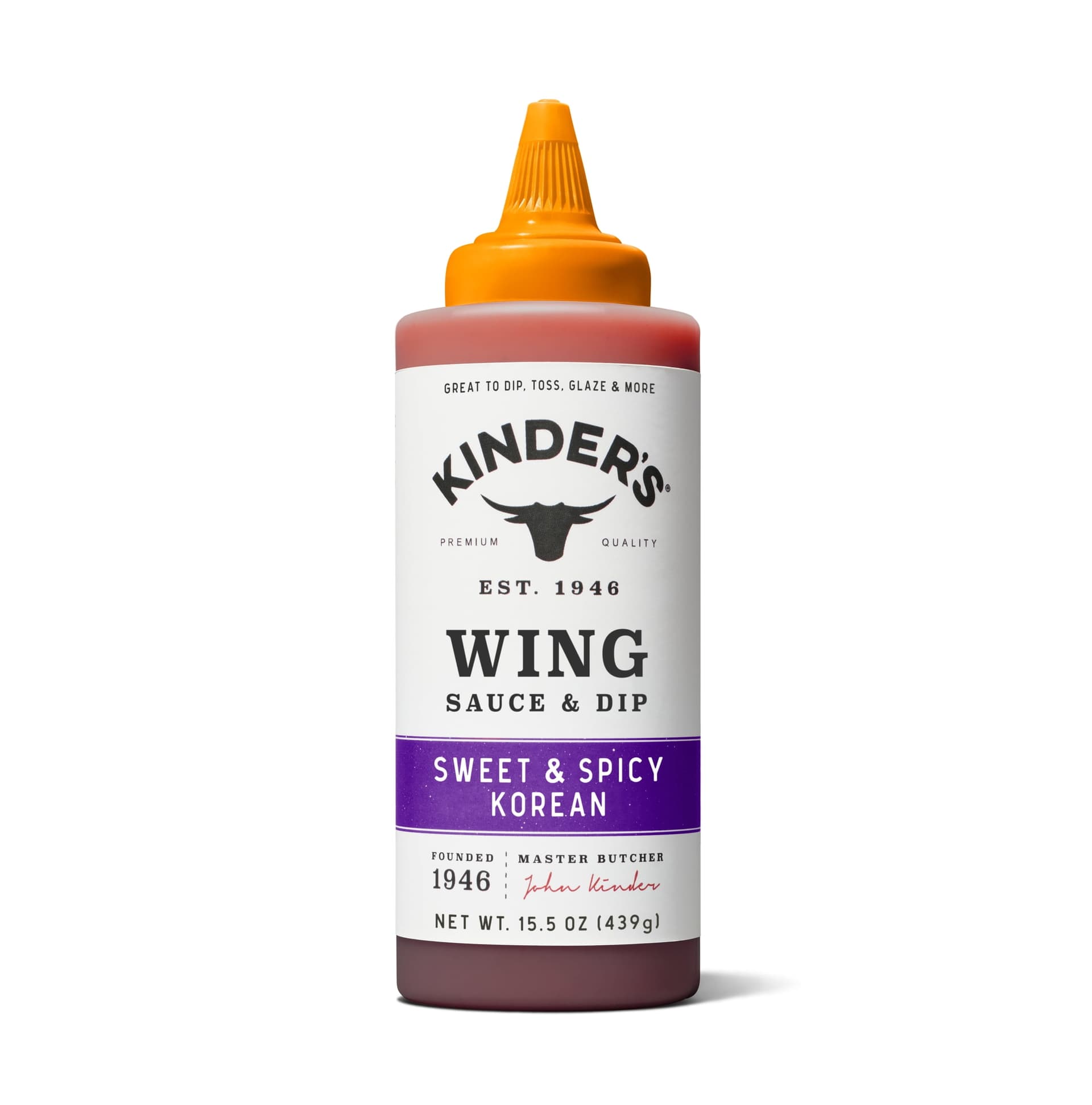
The rise of Korean food culture in the West—driven by K-pop, K-dramas, and the global success of brands like Kinder's Sweet & Spicy Korean Wing Sauce—has also made ingredients like gochujang and gochugaru easier to find. You're no longer hunting specialty stores; most supermarkets stock these essentials now.
The Core Ingredients: What You Need
Dakgalbi is flexible, but certain ingredients define the dish. Here's what belongs in a traditional recipe—and where you can improvise.
Chicken
Boneless, skinless chicken thighs are the standard. They stay juicy under high heat and soak up marinade better than breast meat. Cut them into bite-sized pieces, about 1.5 inches. If you prefer chicken breast, go for it, but watch the cook time—breast dries out fast.
The Marinade
This is where dakgalbi gets its soul. A classic marinade includes:
- Gochujang (Korean red chili paste) for heat, sweetness, and umami
- Gochugaru (Korean red chili flakes) for extra heat and texture
- Soy sauce for salt and depth
- Garlic (lots of it), freshly minced
- Ginger for brightness
- Sugar or honey to balance the heat and help caramelize
- Sesame oil for nuttiness
- Rice wine or mirin for acidity and tenderizing
Mix these together, toss with your chicken, and let it sit for at least 30 minutes—or overnight in the fridge for deeper flavor. The marinade should coat every piece and look thick, almost like a BBQ rub paste.
Vegetables
Traditional dakgalbi uses a mix of vegetables that add sweetness, crunch, and bulk:
- Cabbage (green or napa)—shreds down and soaks up sauce
- Sweet potato—sliced thin, adds natural sweetness and starch
- Onion—yellow or white, cut into chunks
- Scallions—cut into 2-inch pieces
- Perilla leaves (optional but authentic)—adds an herbal, slightly minty note
- Rice cakes (tteok)—chewy, cylindrical Korean rice cakes that become sticky and addictive
Feel free to swap in what you have: bell peppers, zucchini, mushrooms, or carrots all work. Just keep the ratio about 50/50 chicken to vegetables.
Cheese (Optional but Highly Recommended)
Many modern dakgalbi recipes finish with shredded mozzarella melted on top. It's not traditional to the Chuncheon original, but it's become so popular that most restaurants offer it. The cheese cools the heat, adds richness, and makes for killer food photos.
How to Cook Dakgalbi at Home
You don't need a massive Korean iron griddle to make this work. Here are three methods that deliver great results.
Method 1: Large Skillet or Wok (Stovetop)
This is the easiest method for most home cooks. Use the largest skillet or wok you have—cast iron or carbon steel works best because they retain heat and develop a good sear.
- Heat your skillet over medium-high until it's smoking hot.
- Add a small drizzle of neutral oil (vegetable or canola).
- Add the marinated chicken in a single layer. Let it sear undisturbed for 2–3 minutes to get some char.
- Add the vegetables (starting with the hardest ones like sweet potato and onion).
- Stir-fry everything together for 8–10 minutes, tossing frequently, until the chicken is cooked through and the vegetables are tender with crispy edges.
- If using cheese, lower the heat, sprinkle mozzarella over the top, cover with a lid for 1–2 minutes, and let it melt.
- Serve immediately with steamed rice and sesame seeds.
Method 2: Flat-Top Griddle or Electric Skillet
If you have a large griddle or electric skillet, this is the most authentic home setup. Spread everything out in a wide, even layer and let the edges get crispy. The broad surface area gives you more caramelization and char, which is key to dakgalbi's flavor.
Cook at around 375–400°F, stirring every few minutes. The chicken will release moisture at first, but as it evaporates, the sugars in the marinade will start to brown and stick—that's the good stuff.
Method 3: Outdoor Grill
For grill enthusiasts, dakgalbi works beautifully on a flat-top grill or in a large cast-iron skillet set over direct heat. Preheat your grill to medium-high, place your skillet on the grates, and follow the stovetop method. The smoky char from the grill adds another dimension to the dish.
You can also use a grill basket for a more hands-on approach, though you'll lose some of the sticky sauce that makes dakgalbi so addictive. If you go this route, reserve some marinade to brush on as you cook.
Shortcut Version: Using Prepared Seasonings
If you're short on time or don't have access to gochujang, you can approximate dakgalbi's bold, spicy-sweet flavor using high-quality prepared seasonings. Kinder's Sweet & Spicy Korean Wing Sauce is a solid cheat code here—it's got the gochujang-style sweetness, garlic, and heat, and it clings to chicken beautifully. Use it as a marinade base, add a little soy sauce and sesame oil, and you're 80% of the way there.
For dry seasoning lovers, you can build a dakgalbi-inspired rub by combining garlic powder, ginger, smoked paprika, brown sugar, and cayenne, then tossing your chicken and vegetables before stir-frying. It won't be traditional, but it'll still deliver big flavor. A seasoning like Kinder's Woodfired Garlic can add a savory, roasted backbone to the dish if you want to layer in more umami.
Serving Dakgalbi: The Full Experience
Dakgalbi isn't a solo act. In Korea, it's served family-style with a spread of banchan (side dishes) and steamed white rice. Here's how to serve it like a pro:
- Steamed short-grain rice—essential for balancing the heat and soaking up sauce
- Lettuce or perilla leaves—use them to wrap bites of chicken and vegetables (ssam-style)
- Pickled radish (danmuji)—adds crunch and cuts through richness
- Kimchi—because it's always a good idea
- Sesame seeds and extra scallions—for garnish and freshness
If you're feeling ambitious, some restaurants finish the meal by frying rice directly in the leftover sauce on the griddle. It's called "bokkeumbap," and it's the ultimate way to use every last bit of flavor.
Tips for Nailing Dakgalbi Every Time
Here are the small details that separate good dakgalbi from great dakgalbi:
- Don't overcrowd the pan. If your skillet isn't big enough, cook in batches. Crowding leads to steaming instead of searing, and you'll miss out on caramelization.
- Use high heat. Dakgalbi should sizzle aggressively. If it's just simmering, crank the heat.
- Let things char a little. The slightly burnt edges of cabbage and sweet potato are where the magic happens. Don't stir too often.
- Taste and adjust. If your marinade tastes too spicy, add more honey. Too sweet? A splash of soy sauce or rice vinegar balances it out.
- Prep everything before you start cooking. Once the pan is hot, things move fast. Have your vegetables cut, your chicken marinated, and your rice ready to go.
Variations and Customizations
Dakgalbi is endlessly adaptable. Here are some popular twists:
Cheese Dakgalbi
The most popular modern variation. After stir-frying, push the chicken and vegetables to the edges of the pan, creating a well in the center. Fill it with shredded mozzarella, cover, and let it melt. Dip each bite into the molten cheese as you eat.
Seafood Dakgalbi
Add shrimp, squid, or mussels in the last few minutes of cooking for a surf-and-turf version. The seafood picks up the spicy marinade beautifully.
Vegan Dakgalbi
Swap chicken for firm tofu, tempeh, or king oyster mushrooms. Press the tofu well and marinate it just like you would chicken. The vegetables and sauce are already vegan-friendly if you use a plant-based sweetener.
Dakgalbi Tacos
This fusion version is all over TikTok. Use the stir-fried chicken and vegetables as taco filling, top with shredded cheese, cilantro, and a squeeze of lime. It's not traditional, but it works.
Why Dakgalbi Is a Weeknight Winner
Most Korean BBQ and stir-fry dishes require tableside grilling or a lot of active prep. Dakgalbi simplifies the process without sacrificing flavor. Once your chicken is marinated (which you can do the night before), the actual cooking takes 15 minutes. It's faster than ordering takeout and way more satisfying.
It's also a one-pan meal, which means fewer dishes and easier cleanup—a huge win on a busy Tuesday. And because everything cooks together, the flavors meld in a way that's deeply comforting. The sweet potato soaks up the spicy sauce, the cabbage wilts into the chicken, and the rice cakes turn sticky and chewy. Every bite is different, but every bite is good.
Pairing Dakgalbi with Other Korean Flavors
If you're hosting a Korean-themed dinner or just want to go all-in on the flavors, dakgalbi pairs beautifully with:
- Korean fried chicken wings—toss them in Kinder's Sweet & Spicy Korean Wing Sauce for a double-chicken feast
- Japchae (glass noodle stir-fry)—adds texture contrast
- Pajeon (scallion pancakes)—crispy, savory, and great for dipping
- Korean cucumber salad—cool, crunchy, and refreshing
- Soju or cold beer—traditional pairings that cut through the richness
Where Dakgalbi Fits in the Broader Korean BBQ Universe
Korean BBQ is a vast category, and dakgalbi occupies a unique space. It's not grilled meat like bulgogi or galbi (short ribs), and it's not fried like chimaek (chicken and beer). Instead, it's a stir-fried, saucy, vegetable-heavy dish that happens to feature chicken.
What makes dakgalbi special is its accessibility. You don't need a grill grate, charcoal, or a vent hood. You just need a hot pan and the willingness to get a little messy. That makes it one of the best Korean dishes to start with if you're new to the cuisine—or if you're a seasoned cook looking for a fast, flavorful weeknight option.
Common Mistakes to Avoid
Even a forgiving dish like dakgalbi has a few pitfalls. Here's what to watch out for:
- Using chicken breast instead of thighs. Breast meat dries out fast under high heat. Thighs stay juicy and flavorful.
- Skipping the marinade time. Thirty minutes minimum. Overnight is better. The chicken needs time to absorb the flavors.
- Cooking over low heat. Dakgalbi needs aggressive heat to caramelize the sauce and char the vegetables. Don't be timid.
- Adding cheese too early. If you add it while the pan is too hot, it'll separate and get greasy. Lower the heat first, then melt.
- Forgetting the rice. Dakgalbi is spicy and rich. You need rice to balance it out and stretch the meal.
Storing and Reheating Leftovers
Dakgalbi keeps well in the fridge for up to three days. Store it in an airtight container and reheat in a skillet over medium heat, adding a splash of water or chicken broth to loosen the sauce. You can also microwave it, though you'll lose some of the crispy edges.
Frozen dakgalbi works, too. Freeze it in individual portions, then thaw overnight in the fridge before reheating. The texture of the vegetables may soften a bit, but the flavor holds up.
Final Thoughts: Why You Should Make Dakgalbi This Week
Dakgalbi is messy, bold, and unapologetically flavorful—the kind of dish that makes weeknight cooking feel like an event. It's simple enough for beginners, exciting enough for experienced cooks, and flexible enough to adapt to whatever's in your fridge. Whether you're chasing TikTok trends, exploring Korean food culture, or just craving something spicy and satisfying, dakgalbi delivers.
Start with the classic recipe, then make it your own. Add more vegetables, crank up the heat, throw on extra cheese, or turn it into tacos. The beauty of dakgalbi is that it's endlessly customizable, but it always tastes like comfort.
Ready to bring Korea's fiery stir-fried chicken to your table? Grab your skillet, fire up the heat, and dig in. And if you want to streamline the process, a bottle of Kinder's Sweet & Spicy Korean Wing Sauce will get you 90% of the way there with zero stress. Either way, you're in for a meal you'll want to make again and again.
Shop the products mentioned in this article
Free shipping on every order. No minimums, no gimmicks.