What Is Japanese BBQ Sauce? A Beginner's Guide (And Why It's Taking Over)
Japanese BBQ sauce is not teriyaki and it is not Korean BBQ. Here is the complete beginner's guide: history, ingredients, how it compares to other sauces, and why Bachan's in particular went viral.
Japanese BBQ sauce is the sauce everyone on TikTok is drizzling on rice bowls and calling the secret to the best salmon of their life. If you are brand new to it, the questions are reasonable. What is it? How is it different from teriyaki? Why is Bachan's the bottle everyone is showing off? Is it spicy? Where do you even buy it?
This guide covers all of it. By the end, you will know exactly what Japanese BBQ sauce is, the history behind the best-selling brand, how it compares to teriyaki and Korean BBQ, the core ingredients that define it, and exactly how to start using it at home.
The Short Definition
Japanese BBQ sauce, called yakiniku sauce in Japan, is a sweet-savory-umami sauce designed for grilling. Yakiniku literally means "grilled meat." It is made from soy sauce, mirin (sweet rice wine), sake, sugar, fresh ginger, fresh garlic, toasted sesame, and sometimes fruit. It is thinner than American BBQ sauce, more complex than teriyaki, and far less spicy than Korean BBQ sauce (gochujang).
You use it as a marinade, a glaze, a finishing drizzle, a dipping sauce, and a stir-fry base. One bottle replaces three or four other condiments in your fridge.
The History: From Okinawa to 150 Million TikTok Views
Yakiniku as a Japanese Tradition
Grilled meat with a sweet-savory sauce has been part of Japanese home cooking for generations. Yakiniku restaurants, where diners grill thin-sliced meat at the table, became a national standard in the postwar era. Every family had a favorite homemade sauce, usually built on a base of soy, mirin, and fresh aromatics, often with regional variations in sweetness and smoke.
The Bachan's Family Recipe
Grandma Bachan was born in Okinawa, Japan. She spent decades making and refining her own yakiniku-style sauce for her family and neighbors. It was never commercial. It was just what she cooked with. The recipe got passed down through four generations.
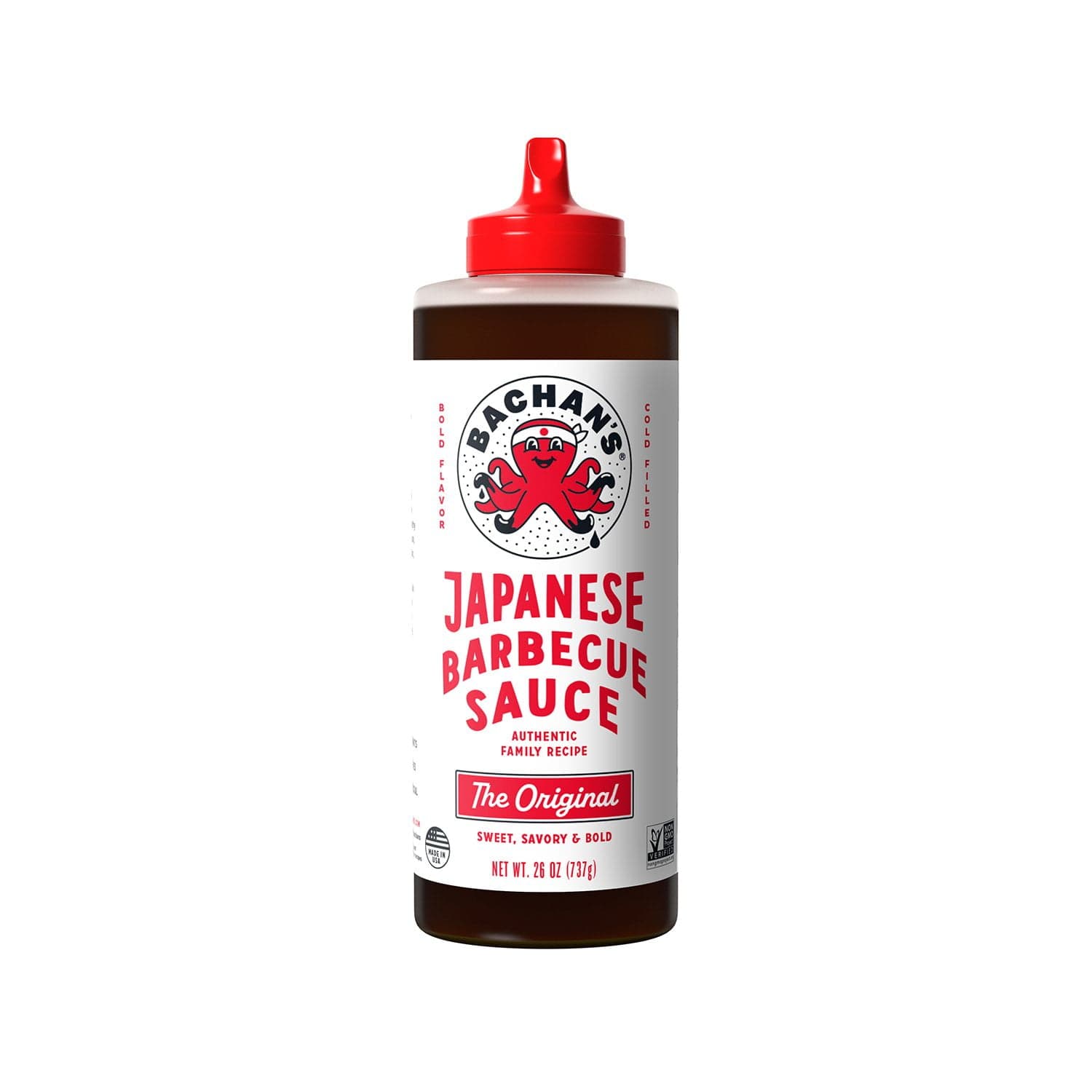
Her grandson, Justin Gill, recognized that nothing on US grocery shelves tasted anything like his grandmother's sauce. Kikkoman Teriyaki was the default, and it was nothing like Bachan's homemade sauce. In 2019, Justin launched Bachan's Japanese Barbecue Sauce as a way to bring his grandmother's recipe to the rest of the country. The octopus on the label is a tribute to Okinawan heritage (octopus is a traditional Okinawan symbol).
The TikTok Explosion
In 2023 and 2024, a TikTok salmon bowl recipe featuring Bachan's went viral. The hashtag combinations have now generated well over 150 million views. Cooks who had never heard of Japanese BBQ sauce were suddenly making the salmon bowl once a week, then trying the sauce on wings, meatballs, and rice bowls. Bachan's went from niche to mainstream in about 18 months.
Core Ingredients of Japanese BBQ Sauce
Authentic Japanese BBQ sauce is built on five pillars. If a bottle is missing any of them, it is usually not the real thing.
1. Soy Sauce
Japanese-style soy sauce (shoyu) provides the umami backbone. It is saltier and more refined than Chinese-style soy sauce. Traditional yakiniku sauce uses a good-quality shoyu as roughly 30 to 40 percent of the total volume.
2. Mirin
Mirin is a sweet Japanese rice wine. It adds a glossy sweetness, a characteristic caramelization quality, and a subtle acidic brightness. Mass-market teriyaki often skips mirin and uses high fructose corn syrup instead. This is the single biggest quality indicator.
3. Sake or Rice Wine
Sake rounds out the flavor with a slight acidity and adds depth. It also helps tenderize proteins during marination.
4. Fresh Ginger and Garlic
Real Japanese BBQ sauce uses fresh ginger and garlic, not powders. This is what creates the bright, aromatic middle that distinguishes it from basic teriyaki.
5. Toasted Sesame
Toasted sesame oil, sesame seeds, or both add the nutty, rich finish that defines the yakiniku style.
Bachan's Original hits all five pillars. Most grocery store teriyaki sauces miss three of them.
Japanese BBQ vs. Teriyaki vs. Korean BBQ
Beginners get these three confused constantly. Here is the clean breakdown.
Teriyaki Sauce
Teriyaki is a cooking technique, not a specific sauce. "Teri" means shiny and "yaki" means grilled. Traditional Japanese teriyaki is a thin glaze of soy sauce, mirin, sake, and sugar, cooked directly onto the meat. Most American grocery-store teriyaki sauce is a simplified, pre-made bottled version, often with high fructose corn syrup. It is sweeter, saltier, and thinner than Japanese BBQ sauce. It has no fresh ginger or garlic.
Japanese BBQ (Yakiniku) Sauce
Japanese BBQ sauce is richer and more complex than teriyaki. It includes fresh aromatics, often fruit, and sometimes sesame. It has more body and clings to meat better. It is designed to be used as a marinade, glaze, and finishing sauce, not just a quick pan glaze.
Korean BBQ Sauce
Korean BBQ sauce is built around gochujang (fermented chili paste), gochugaru (Korean chili flakes), and more garlic. It is noticeably spicier, often smokier, and has a fermented funk that Japanese BBQ sauce does not. Think bulgogi marinade or Kalbi sauce, both of which are distinct from yakiniku.
Quick Flavor Summary
- Teriyaki: sweet, salty, simple, thin
- Japanese BBQ: sweet, savory, aromatic, umami-forward, medium body
- Korean BBQ: spicy, fermented, garlicky, thicker
How to Use Japanese BBQ Sauce at Home
As a Marinade
Marinate chicken thighs, flank steak, pork chops, or salmon in Bachan's for 30 minutes to overnight. The soy and mirin tenderize the protein while the ginger and garlic infuse flavor. Do not marinate shrimp or delicate fish for more than 30 minutes or the sugars will start to denature the surface.
As a Glaze
Brush Bachan's onto proteins in the last 60 to 90 seconds of grilling or broiling. The sugars caramelize into a glossy, lacquered crust. This is what makes the TikTok salmon bowl look so good on camera.
As a Drizzle
Finish rice bowls, noodle bowls, grilled vegetables, poke bowls, and crispy tofu with a spoonful of Bachan's. The flavor is balanced enough to eat raw from the bottle.
As a Stir-Fry Base
Stir-fry your vegetables and protein, then pour in 1/4 cup Bachan's per two servings at the end. Toss 60 seconds. Done. You do not need to build a sauce separately.
As a Dipping Sauce
Use it for dumplings, spring rolls, crispy tofu bites, and chicken skewers. It also works as an alternative to teriyaki in a sushi-style handroll.
A Simple 20-Minute Recipe to Start With
Bachan's Chicken and Rice
You need chicken thighs, rice, a head of broccoli, and Bachan's. Cook 1 cup of rice. Toss 1 pound of cubed boneless chicken thighs in 1/2 cup Bachan's. Sear in a hot skillet with a splash of oil for 7 to 8 minutes until browned and cooked through. Steam broccoli 4 minutes. Build bowls: rice on the bottom, chicken on top, broccoli on the side, extra Bachan's drizzled over everything, sesame seeds on top. Done in 20 minutes, flavor like a restaurant.
If you want to level up, make the viral Bachan's salmon bowl this weekend. It is the recipe that started the whole phenomenon.
How Bachan's Compares to Other Japanese BBQ Brands
Bachan's vs. Yoshida's Gourmet Sauce
Yoshida's is the other major Japanese-style sauce on US shelves. It is heavier, sweeter, and has more of a teriyaki-forward flavor. It uses more sugar and less fresh aromatics. Bachan's is more balanced and closer to authentic yakiniku.
Bachan's vs. Kinder's Japanese Style
Kinder's makes excellent seasonings and BBQ sauces, but their Japanese-style offerings are American-style BBQ with Japanese notes, not true yakiniku. They do not hit the same authentic profile as Bachan's.
Bachan's vs. Kikkoman Teriyaki
We covered this in depth in our Bachan's vs. Kikkoman Teriyaki comparison, but the short version is that Kikkoman is a cheaper, simpler sauce with HFCS, while Bachan's is a more complex yakiniku-style sauce with real ingredients.
Where to Buy Bachan's
The 17oz bottle shows up at most grocery stores now, but the 26oz family size, which is the one you actually want once you realize how often you will use it, is only carried at warehouse clubs like Sam's Club and Costco. That requires a paid membership. We carry the 26oz bottle at numnumkosmos with free shipping and no membership. Shop Bachan's The Original Japanese BBQ Sauce 26oz here.
Storage, Shelf Life, and Practical Tips
How to Store It
Unopened Bachan's keeps in the pantry until the printed expiration (1 to 2 years). Once opened, move it to the fridge and use within 30 days. The cold-fill process means the sauce does not have the preservative load that makes mass-market teriyaki last forever, but it also means the flavor is dramatically fresher. If you buy the 26oz and cook from it frequently, 30 days is plenty.
Can You Freeze It?
Yes. If you know you will not finish an opened bottle in 30 days, decant into ice cube trays and freeze. Each cube is roughly 1 tablespoon. Use them directly in stir-fries or glazes. Texture holds up well.
Pairings to Avoid
A few ingredients clash with Japanese BBQ sauce. Avoid combining it with tomato-heavy sauces, strong cheeses, heavy cream, or cilantro-forward salsas. The soy-mirin flavor does not play well with those profiles.
Pairings That Shine
- Rice (sushi, jasmine, or short-grain)
- Cucumber, avocado, edamame
- Sesame (seeds, oil, and tahini)
- Scallions and green onions
- Nori and furikake
- Pickled ginger
- Lime and yuzu
- Fresh chili (thai bird, serrano, Calabrian)
Japanese BBQ Sauce for Dietary Needs
Gluten-Free
The Original Bachan's contains wheat from traditional soy sauce. Bachan's makes a dedicated Gluten-Free Original built with tamari. If you need gluten-free, buy that version.
Vegan
Bachan's Original is vegan. All ingredients are plant-based.
Keto and Low-Carb
Bachan's has 5 grams of sugar per tablespoon, so it is not keto-friendly at meaningful use levels. There is no low-sugar Bachan's currently on the market.
Allergens to Watch
Soy, wheat (unless using gluten-free), and sesame. Bachan's does not contain tree nuts, peanuts, dairy, or eggs.
Common Mistakes Beginners Make
Using Too Much, Too Early
Because Bachan's is sweeter and more concentrated than teriyaki, a little goes further. Start with less than you think you need, especially in marinades. You can always add more at the table.
Burning the Glaze
The sugar in Bachan's caramelizes fast. If you glaze too early or at too-high heat, it burns. Always glaze in the last 60 to 90 seconds, never at the start.
Marinating Too Long
The soy sauce will over-cure delicate proteins. Shrimp or white fish should marinate no more than 20 minutes. Salmon is 30 minutes max. Chicken thighs can go overnight, but chicken breasts turn mealy after 4 hours.
Not Drying the Protein
Surface moisture prevents the sauce from caramelizing. Pat everything dry before applying the glaze, especially in the last brush-on step.
Cost, Value, and the 26oz Question
A 17oz bottle of Bachan's runs about $10. The 26oz bottle runs about $15. If you are a light user who opens the bottle once a week for a single glaze, the 17oz is fine. If you are going to cook Japanese-influenced food two to three times a week (which is what usually happens after the first successful salmon bowl), the 26oz family size is the clear pick. It is a better per-ounce price and you will not run out at the worst moment.
The 26oz is only carried at warehouse clubs (Sam's Club, Costco) in most regions, which is why we stock it online with free shipping and no membership. For the full rundown on how Bachan's stacks up financially, read our Bachan's vs. Kikkoman comparison, which covers the pricing math in detail.
The Bottom Line
Japanese BBQ sauce is a sweet-savory-umami sauce built on soy sauce, mirin, sake, fresh aromatics, and sesame. It is more complex than teriyaki, less spicy than Korean BBQ, and wildly versatile at home. Bachan's Original is the best-selling and most authentic commercial version, built on a four-generation family recipe from Okinawa. Start with the salmon bowl, then branch into wings, meatballs, stir-fries, and glazed pork. Once the bottle is in your fridge, it will become the sauce you reach for twice a week.
If you want to jump straight to cooking, our 12 Bachan's recipes beyond the salmon bowl guide has everything you need. And when you are ready to commit to the 26oz family size, buy the Bachan's 26oz on our store with free shipping.
Featured picks from our store
- Kinder's Cowboy Butter Seasoning — shop with free shipping at numnumkosmos.
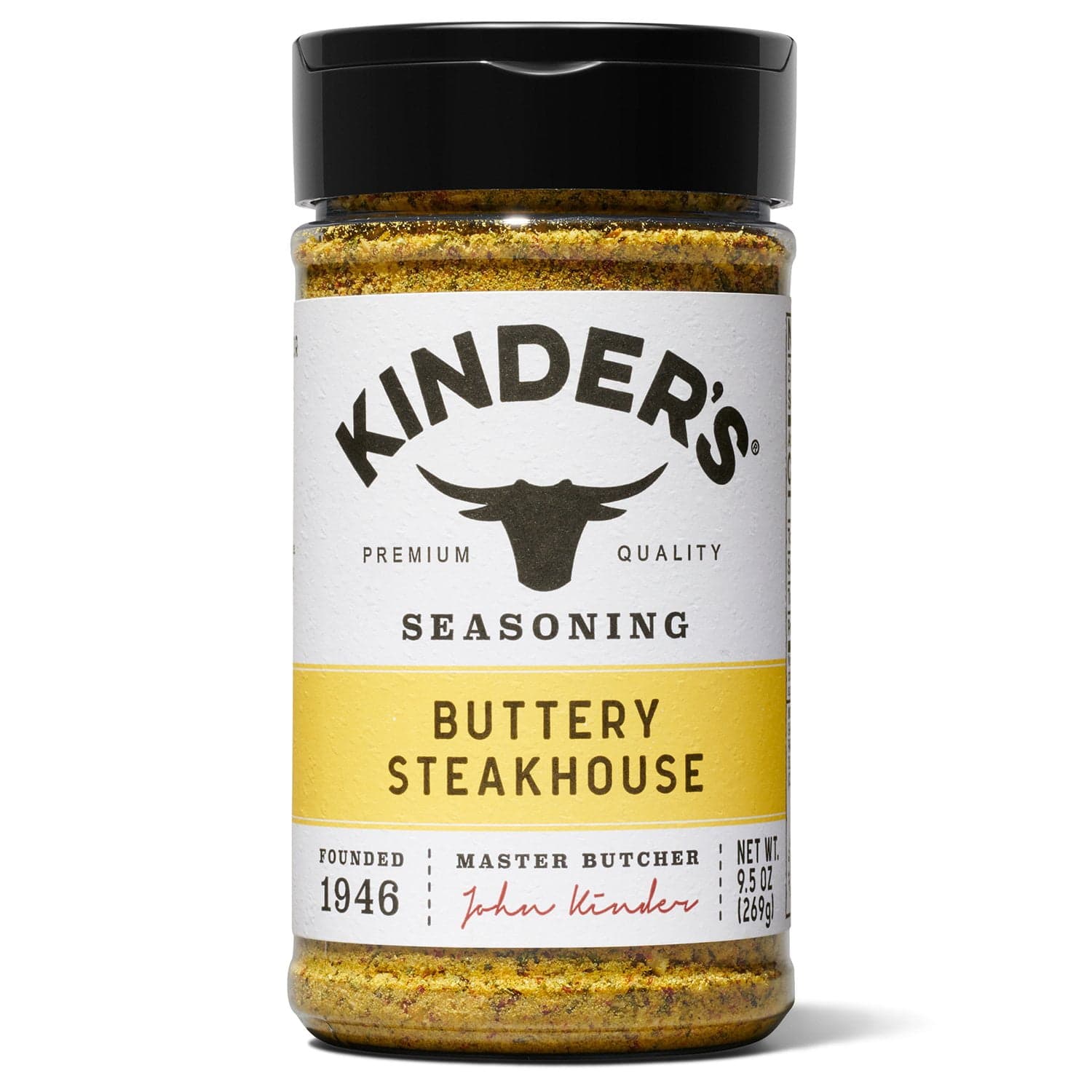
- Kinder's Buttery Steakhouse Seasoning — shop with free shipping at numnumkosmos.
- Kinder's Buttery Garlic and Herb Seasoning — shop with free shipping at numnumkosmos.
- Kinder's The Blend Seasoning — shop with free shipping at numnumkosmos.
Shop the products mentioned in this article
Free shipping on every order. No minimums, no gimmicks.