How to Make Korean Fried Chicken at Home (Better Than Takeout)
Korean fried chicken delivers insane crunch and bold sweet-spicy flavor. Here's how to nail it in your own kitchen with double-frying technique and the right seasonings.
Korean fried chicken has taken over American food culture—and for good reason. The signature ultra-crispy coating, sticky-sweet glazes, and bold gochujang heat make it miles ahead of standard fried chicken. Whether you've seen it trending on Reddit's r/food or watched countless TikTok videos of that shatter-crisp bite, homemade Korean-style fried chicken is absolutely worth mastering at home.
This guide walks through everything you need to know: the double-frying technique that creates the crunch, the best coatings and marinades, glaze options from sweet-soy to fiery gochujang, and how to use your favorite seasonings to build authentic Korean flavors without a specialty grocery run.
What Makes Korean Fried Chicken Different
Korean fried chicken—often called KFC in Korea, which has led to some hilarious confusion—stands apart from American Southern fried chicken in a few key ways. The coating is lighter, thinner, and significantly crispier. The chicken is fried twice instead of once. And most importantly, it's typically glazed or heavily seasoned after frying, not just during the batter stage.
The result is a piece of chicken with an audibly crunchy exterior that stays crisp even under a glossy coating of sauce. The meat inside stays juicy because the double-fry method renders more fat and moisture from the skin without overcooking the interior. It's engineered for maximum texture contrast—and it works.
Traditional Korean fried chicken uses smaller cuts—wings, drumettes, and boneless thigh chunks—rather than big bone-in breast pieces. This increases the surface-area-to-meat ratio, giving you more of that addictive crunchy coating in every bite.
The Double-Fry Technique: Why It Matters
The secret to Korean fried chicken's texture is frying the chicken twice at two different temperatures. The first fry cooks the chicken through at a lower temperature (around 325-340°F). You pull it out, let it rest for several minutes, then fry it again at a higher temperature (350-375°F) to set the crust and create that glass-like crunch.
During the rest period between fries, steam escapes from the coating and the surface firms up. The second fry dehydrates the exterior further, creating a shell that's both delicate and shatteringly crisp. This two-step process also helps render out more fat from the skin, which prevents that greasy, heavy feeling you sometimes get from single-fried chicken.
If you've ever wondered why your homemade fried chicken gets soggy after ten minutes, it's because moisture is trapped under the crust. The double-fry drives out that moisture, so the coating holds its crunch even after you toss it in sauce.
Choosing Your Chicken Cuts
Wings and drumettes are the most popular choice for Korean fried chicken. They're easy to eat with your hands, they fry evenly, and the higher skin-to-meat ratio means more crunch. If you're feeding a crowd or want a mix, grab a party pack of wings and separate them at the joint.
Boneless skinless thighs are another excellent option, especially if you want to control portion sizes or make chicken bites. Cut them into two-inch chunks before marinating. Without skin, you lose some richness, but the meat stays incredibly juicy and the coating still crisps beautifully.
Avoid large bone-in breasts—they take too long to cook through, and by the time the interior is done, the outside can overcook during the second fry. Stick with smaller, uniform pieces for consistent results.
The Best Coating for Maximum Crunch
Korean fried chicken coatings are typically lighter than thick Southern buttermilk batters. The most common approach uses a mixture of potato starch (or cornstarch) and a small amount of flour. Potato starch in particular fries up incredibly crisp and light, with a texture closer to tempura than traditional fried chicken.
A typical ratio is about 70% potato starch to 30% all-purpose flour. Some cooks go 100% potato starch for maximum crunch, while others add a bit of rice flour for extra texture. You can experiment, but the key is using a high-starch, low-protein coating that won't develop too much gluten and turn tough.
Some recipes call for a wet batter, but the more traditional method is a dry dredge. You lightly coat marinated chicken in the starch mixture, let it rest for a few minutes to hydrate, then fry. The moisture from the chicken activates the starch and creates a thin, crispy shell.
Marinade: Building Flavor Before You Fry
Even though Korean fried chicken gets sauced after cooking, a good marinade ensures the meat itself is flavorful and tender. A basic marinade includes:
- Soy sauce for umami and salt
- Ginger and garlic for aromatic depth
- Rice wine or sake to tenderize and add subtle sweetness
- A pinch of black pepper for warmth
Marinate your chicken for at least one hour, or up to overnight in the fridge. Pat the pieces dry before dredging—excess moisture will make the coating gummy and prevent it from crisping properly.
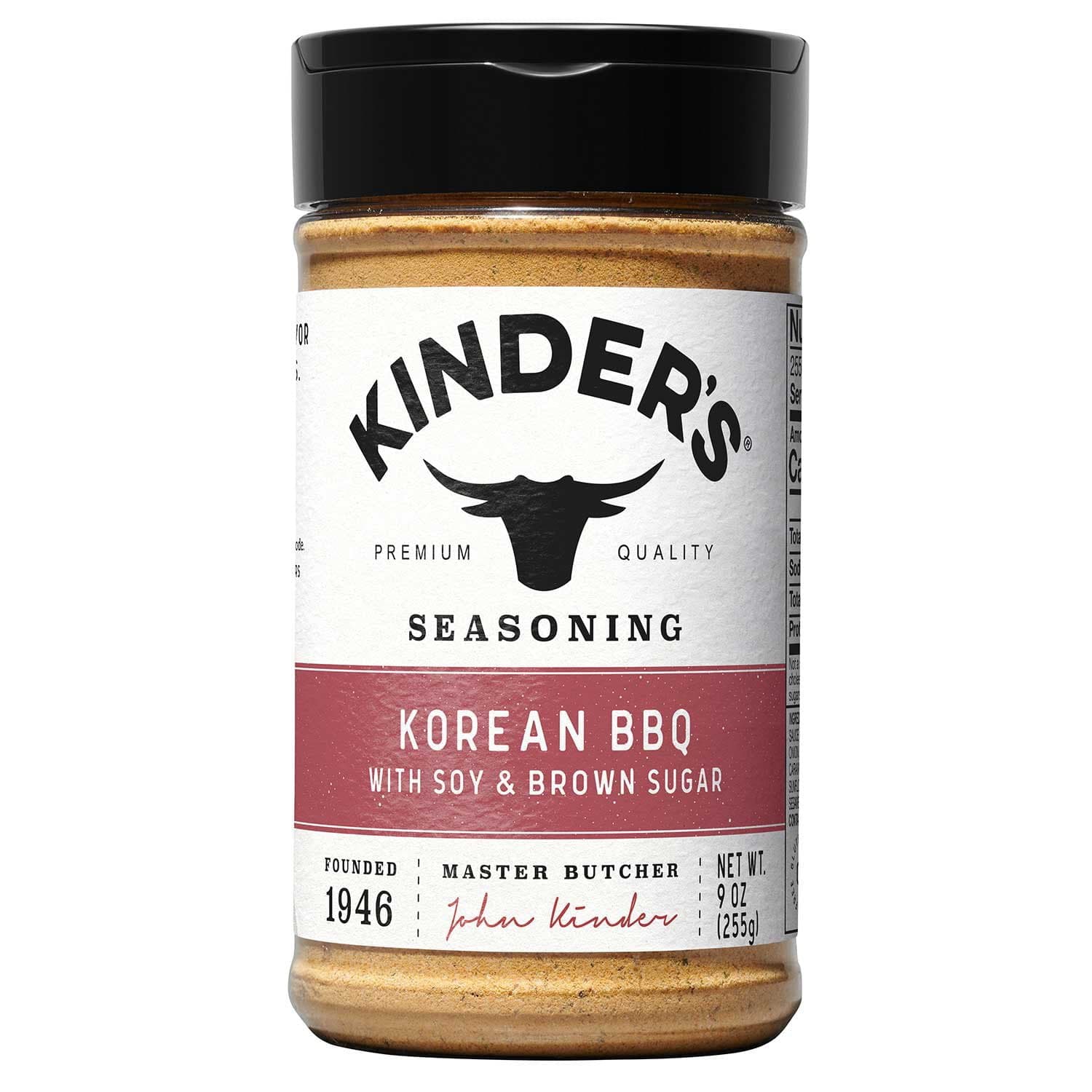
If you want a shortcut that still delivers big flavor, try using a bold seasoning blend in your marinade. A tablespoon of Kinder's Korean BBQ Seasoning mixed with a bit of oil, soy sauce, and garlic gives you instant depth without measuring a dozen ingredients. It's built for exactly this kind of application—sweet, savory, gently spicy, with sesame and ginger notes that feel right at home on fried chicken.
How to Fry Korean Fried Chicken (Step-by-Step)
Here's the play-by-play for perfect Korean fried chicken at home:
- Marinate the chicken. Combine soy sauce, minced garlic, grated ginger, rice wine, and a touch of sugar. Add your chicken (wings, drumettes, or thigh chunks) and marinate for 1–4 hours.
- Pat dry. Remove chicken from marinade and blot with paper towels. Excess liquid will prevent the coating from sticking.
- Dredge in starch. Toss chicken pieces in a bowl of potato starch and flour (about 1 cup starch to ⅓ cup flour). Shake off excess. Let rest for 5 minutes so the coating hydrates.
- First fry (325–340°F). Heat 2–3 inches of neutral oil (vegetable, canola, or peanut) in a heavy pot or deep skillet. Fry chicken in batches for 6–8 minutes, until just cooked through and lightly golden. Don't crowd the pot. Remove and drain on a wire rack.
- Rest for 5–10 minutes. This is crucial. The coating sets and moisture escapes during the rest.
- Second fry (350–375°F). Increase heat and fry the chicken again for 3–5 minutes, until deep golden and crackling-crisp. Remove and drain.
- Toss in sauce or seasoning immediately. Coat while hot for the best adhesion and flavor.
Use a thermometer to monitor oil temperature. Consistent heat is everything—if the oil is too cool, the chicken absorbs grease; too hot, and it burns before crisping.
Classic Korean Fried Chicken Sauces and Glazes
Once your chicken is fried, it's time to choose your flavor path. Here are the most popular Korean fried chicken styles:
Yangnyeom (Sweet-Spicy Gochujang Glaze)
This is the iconic Korean fried chicken sauce—sticky, glossy, sweet, and spicy. The base is gochujang (Korean chili paste), which brings fermented depth and moderate heat. Mix it with honey or corn syrup, soy sauce, rice vinegar, minced garlic, and a little ketchup for body. Simmer until thickened, then toss your fried chicken in the hot glaze.
The sweetness balances the heat, and the glaze clings to every crevice of the crispy coating. It's the sauce you see in every viral Korean fried chicken video, and it's the one that'll make you lick your fingers.
Soy Garlic (Ganjang)
If gochujang isn't your thing, soy garlic is the mellow, crowd-pleasing alternative. Combine soy sauce, minced garlic, a touch of sugar or honey, butter, and a splash of rice wine. Simmer until slightly reduced, then toss the chicken. The result is savory, garlicky, and just barely sweet—think of it as the gateway Korean fried chicken flavor.
For an even easier version, you can use a high-quality garlic-forward seasoning like Kinder's Woodfired Garlic Seasoning. Toss your fried chicken in melted butter, then dust generously with the seasoning while it's still hot. You'll get roasted garlic flavor with hints of smoke, plus a bit of salt to balance the richness.
Honey Butter
A newer trend in Korean fried chicken, honey butter sauce is exactly what it sounds like: melted butter, honey, a pinch of salt, and sometimes a little garlic or cayenne. It's rich, indulgent, and dangerously addictive. Drizzle it over fried chicken or toss to coat, then finish with a sprinkle of sea salt.
Dry-Seasoned (Huraideu)
Not all Korean fried chicken is sauced. Some shops serve it "huraideu" style—just fried, with a light dusting of salt, pepper, and sometimes garlic powder or chili flakes. This style lets the texture of the chicken shine and is perfect if you're serving multiple sauces on the side for dipping.
For a bolder dry-seasoned version, hit the fried chicken with a seasoning blend right out of the fryer. Kinder's Sweet & Spicy Korean Wing Sauce is technically a sauce, but if you want the flavor profile in a toss-and-serve format, you can thin it slightly and use it as a glaze or pair it with a dry rub that echoes those sweet-spicy notes.
Serving Korean Fried Chicken Like a Pro
In Korea, fried chicken is often served with pickled radish (chicken-mu) and cold beer. The radish is crunchy, tangy, and slightly sweet—it cuts through the richness of the fried coating and refreshes your palate between bites.
You can buy pre-cut chicken-mu at a Korean grocery store, or make a quick version at home by slicing daikon radish into bite-sized pieces and tossing them with rice vinegar, sugar, and a pinch of salt. Let it sit for at least 30 minutes before serving.
Serve the chicken on a big platter lined with paper or parchment to soak up any excess oil. Garnish with sesame seeds, thinly sliced green onions, or chopped peanuts for extra texture and visual appeal. And yes, ice-cold beer or a crisp lager is the traditional pairing—though lemonade or iced tea works just as well if you're keeping it alcohol-free.
Tips for Crispy Chicken That Stays Crispy
Even with the double-fry method, a few mistakes can ruin your crunch. Here's how to avoid them:
- Don't skip the rest between fries. That 5–10 minute pause is when the magic happens. Rushing into the second fry won't give you the same texture.
- Use a wire rack, not paper towels. Paper towels trap steam under the chicken, which softens the coating. A wire rack lets air circulate and keeps everything crisp.
- Sauce right before serving. If you're saucing the chicken, do it just before you bring it to the table. The longer sauced chicken sits, the softer it gets.
- Keep fried batches warm in a low oven. If you're frying in batches, hold finished chicken in a 200°F oven on a wire rack. It stays warm without steaming.
- Don't overcrowd the pot. Frying too many pieces at once drops the oil temperature, leading to greasy, soggy chicken. Work in small batches.
Flavor Variations and Mashups
Once you've mastered the basic technique, Korean fried chicken becomes a canvas for experimentation. Here are a few ideas:
Gochujang Honey Hot
Mix gochujang with hot honey or your favorite spicy-sweet sauce for a glaze that brings serious heat and just enough sugar to keep it balanced. If you want a ready-made option with a similar vibe, try mixing a touch of Kinder's Honey Hot BBQ Sauce into your gochujang base. It adds smoky depth and a vinegar tang that works surprisingly well with Korean flavors.
Sesame-Soy Dry Rub
Toast sesame seeds in a dry pan until fragrant, then crush them lightly. Mix with coarse sea salt, garlic powder, and a pinch of sugar. Toss your fried chicken in this mixture while it's still hot. You get nutty, savory flavor without any sauce.
Spicy Maple Glaze
Combine pure maple syrup, gochugaru (Korean chili flakes), soy sauce, and a splash of apple cider vinegar. Simmer until slightly thickened, then toss the chicken. It's a Korean-Canadian fusion that's sweet, spicy, and completely crave-worthy.
Common Mistakes and How to Fix Them
Chicken is greasy: Your oil temperature is too low, or you're not draining properly. Use a thermometer and rest on a wire rack.
Coating falls off: You didn't let the dredged chicken rest before frying, or the chicken was too wet. Pat dry and let the starch hydrate for a few minutes before hitting the oil.
Chicken is dry: You overcooked it during the first fry. Pull it when it just hits 165°F internally—it'll finish cooking during the second fry.
Coating isn't crispy: You skipped the second fry, or your oil wasn't hot enough the second time. The second fry should be at a higher temp to dehydrate and crisp the exterior.
Sauce makes it soggy: You used too much sauce, or the chicken wasn't hot enough when you tossed it. Use just enough to coat, and toss immediately after frying while the chicken is still crackling hot.
Pairing Korean Fried Chicken with Sides
Korean fried chicken is rich and indulgent, so your sides should be light, crunchy, or tangy to balance it out. Here are some classic pairings:
- Pickled radish (chicken-mu): The traditional side. Crunchy, sweet-tart, refreshing.
- Coleslaw: A vinegar-based slaw with cabbage, carrots, and a touch of sesame oil works beautifully.
- Steamed rice: Simple, but it soaks up extra sauce and makes the meal more filling.
- Cucumber salad: Thinly sliced cucumbers tossed with rice vinegar, sugar, sesame oil, and a pinch of salt.
- French fries or tater tots: Not traditional, but very popular in Korean fried chicken restaurants. Kids love it.
Making It a Weeknight Meal
Korean fried chicken can absolutely be a weeknight dinner if you prep ahead. Marinate the chicken in the morning or the night before. Set up your dredging station and have your sauce ready to go. The actual frying process takes about 20–30 minutes depending on batch size.
If you're short on time, consider using boneless thigh chunks instead of wings—they fry faster and are easier to eat. You can also use an air fryer for a lighter version, though you won't get quite the same shatter-crisp texture. Air fry at 375°F for about 12 minutes, shake, then air fry another 8–10 minutes until deeply golden.
For sauce, keep it simple: gochujang, honey, soy sauce, and garlic. Four ingredients, two minutes of simmering, and you're done. Toss, garnish, serve.
Why Homemade Beats Takeout
Making Korean fried chicken at home gives you total control over the heat level, the sauce, and the quality of the chicken itself. You can use organic, free-range chicken. You can dial the spice up or down. You can make it saucier or keep it dry. And you can serve it straight out of the fryer, when it's at peak crispness—something even the best restaurant can't guarantee after a 20-minute delivery.
Plus, once you've done it a few times, the process becomes second nature. You'll start tweaking the marinade, experimenting with different coatings, and creating your own signature sauce. It's one of those recipes that's impressive enough for a dinner party but simple enough to make on a random Tuesday.
Final Thoughts: Crunch, Flavor, and Confidence
Korean fried chicken isn't hard—it just requires a little patience and attention to technique. Double-fry for crunch. Use a starch-heavy coating for lightness. Marinate for flavor. Sauce while hot. And don't skip the pickled radish.
Whether you're chasing the viral recipe you saw on Reddit or just want to level up your weeknight chicken game, this is a technique worth adding to your repertoire. It's crave-worthy, customizable, and guaranteed to impress anyone who takes a bite.
Ready to make your best batch yet? Grab your favorite Korean-inspired seasoning, heat up that oil, and get frying. Your crispiest, most flavorful fried chicken is waiting.
Shop the products mentioned in this article
Free shipping on every order. No minimums, no gimmicks.