How to Cook Iberico Pork Secreto: The Griller's Hidden Gem
Iberico pork secreto is the butcher's secret cut that's taking grilling forums by storm. Learn what makes this marbled Spanish pork so special and how to grill it perfectly at home.
If you've been scrolling through grilling subreddits or watching BBQ TikToks lately, you've probably seen a beautiful, marbled cut of pork that looks almost like wagyu beef. That's Iberico pork secreto—a hidden treasure that Spanish butchers used to keep for themselves. Now it's showing up on dinner tables across America, and once you try it, you'll understand why people are obsessed.
This guide covers everything you need to know about buying, preparing, and grilling Iberico pork secreto at home. We'll break down what makes this cut special, how it compares to regular pork, and the exact techniques that turn it into a restaurant-quality meal in your own backyard.
What Is Iberico Pork Secreto?
Secreto is a thin, triangular cut that sits between the shoulder blade and the loin of the pig. The name literally means "secret" in Spanish, and legend has it that butchers would hide this cut for themselves rather than sell it. It's prized for its intense marbling—thin ribbons of intramuscular fat that melt during cooking and create an incredibly juicy, tender bite.
When it comes from Iberico pigs—a heritage breed raised primarily in Spain and Portugal—the meat takes on an entirely different character. Iberico pigs are often acorn-fed (bellota), and their diet combined with their genetics creates fat that's rich in oleic acid, the same heart-healthy monounsaturated fat found in olive oil. The result is pork that tastes nutty, complex, and utterly unlike standard supermarket cuts.
The secreto cut itself is relatively small, typically weighing between 10 to 16 ounces per piece. It's thin—usually about half an inch to three-quarters of an inch thick—which means it cooks fast. Think of it as the skirt steak of the pork world: heavily marbled, best cooked hot and fast, and ideally served medium to medium-rare.
Why Secreto Is Perfect for Grilling
Grilling is hands-down the best way to cook Iberico pork secreto. The high, direct heat renders the fat quickly, caramelizes the exterior, and creates a crust that contrasts beautifully with the tender, buttery interior. Because the cut is thin, you're looking at just 3 to 4 minutes per side over high heat—less time than it takes to grill a chicken breast.
The marbling also makes secreto nearly impossible to dry out, which is a huge advantage if you're used to babying pork chops or tenderloin. You want an internal temperature between 140°F and 145°F for the best texture. At this doneness, the fat is fully rendered, the meat is still juicy, and you'll see a rosy pink center that's completely safe to eat.
Unlike lean cuts that need brining or careful monitoring, secreto is forgiving. Even if you overshoot by a few degrees, the fat content keeps everything moist. That said, because it's thin, it can go from perfect to overdone in under a minute, so don't walk away from the grill.
Where to Buy Iberico Pork Secreto
Iberico pork used to be nearly impossible to find in the United States, but availability has improved dramatically over the past few years. You won't find it at most standard grocery stores, but specialty butchers, high-end markets, and online meat purveyors now carry it regularly.
Look for retailers like Snake River Farms, Porter Road, Crowd Cow, or D'Artagnan. Prices vary depending on the grade—standard Iberico, cebo de campo (pasture-raised), or bellota (acorn-fed)—but expect to pay between $20 and $40 per pound. Bellota is the premium tier and commands the highest price, but even the entry-level Iberico is a significant upgrade over commodity pork.
If you can't find secreto specifically, ask your butcher about similar cuts like pork skirt steak, blade steak, or even coppa (though coppa is typically cured). Some butchers will special-order secreto if you give them a few days' notice.
How to Season Iberico Pork Secreto
Because Iberico pork has such a pronounced natural flavor—nutty, sweet, and rich—you don't need to bury it under heavy rubs or marinades. A light touch is best. Many purists use nothing more than coarse salt and freshly cracked black pepper, applied generously just before grilling.
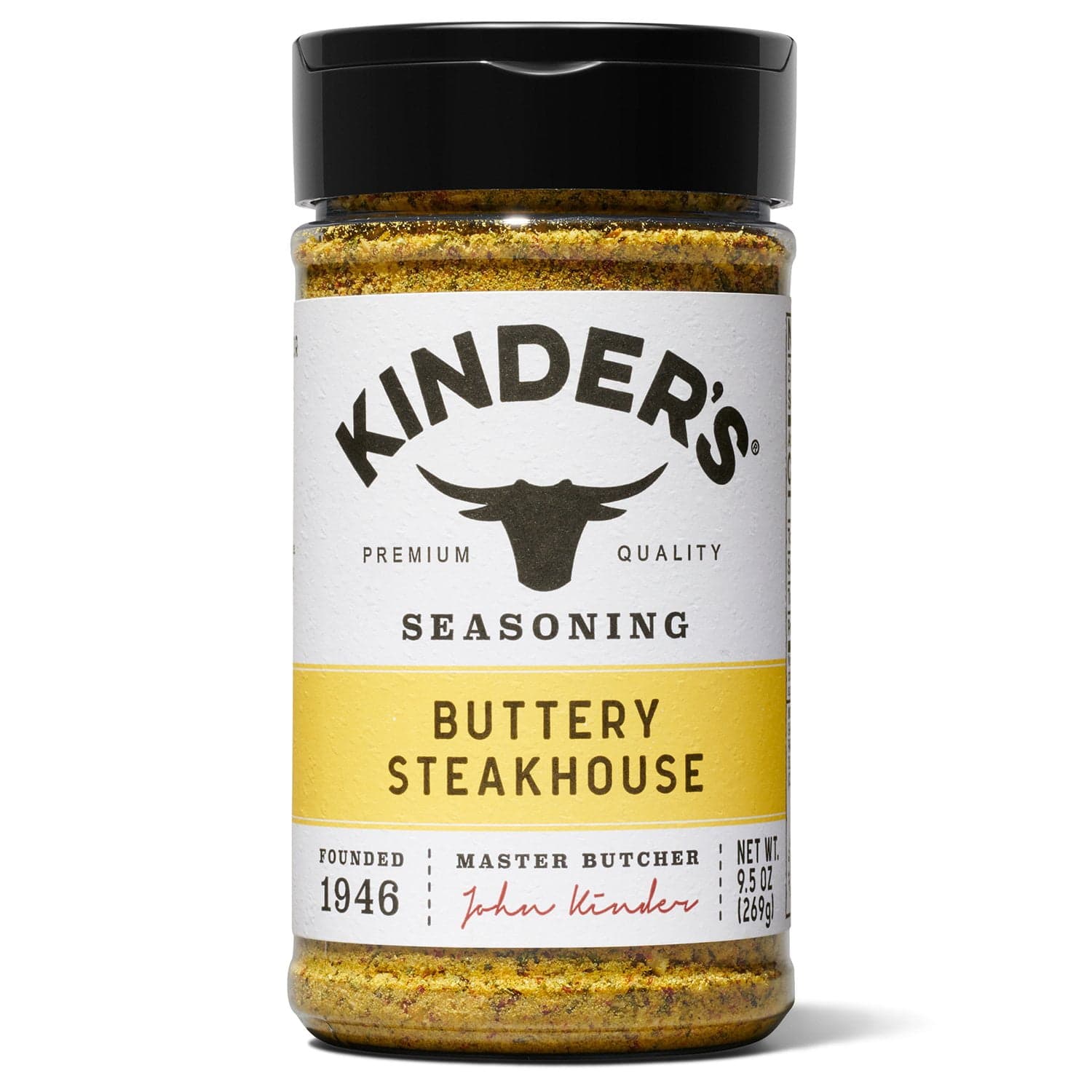
That said, a well-chosen seasoning blend can complement the pork's richness without overpowering it. A seasoning with garlic, herbs, and a touch of butter flavor works beautifully here. Kinder's Buttery Steakhouse Seasoning is an excellent choice—it's designed for beef but pairs just as well with richly marbled pork. The garlic and herb notes enhance the meat's natural sweetness, and the hint of butter amplifies the fat's luxurious mouthfeel.
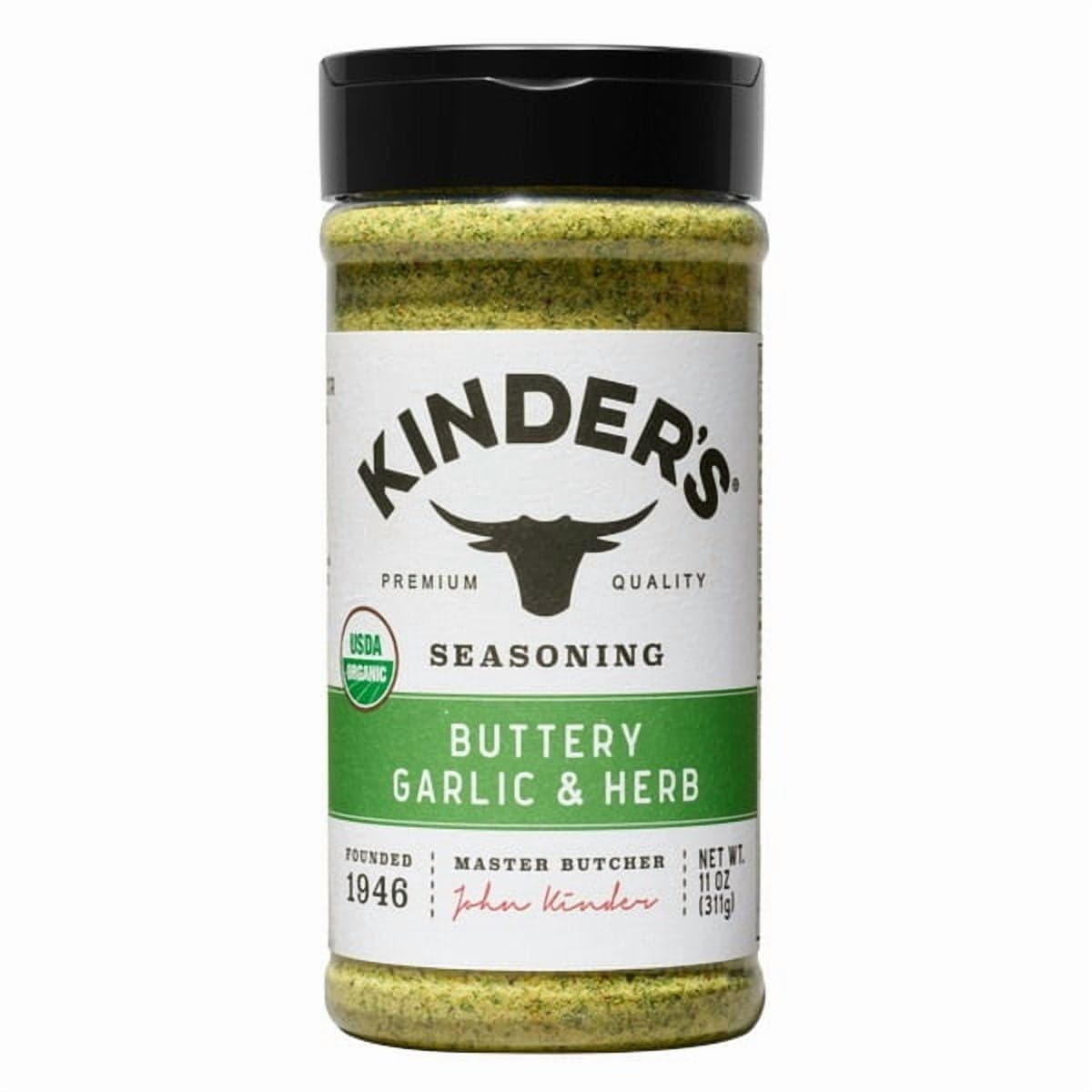
If you want to go in a different direction, consider a Spanish-inspired approach with smoked paprika, garlic, and oregano. Or try a whiskey-peppercorn profile for a bolder, slightly smoky edge. Kinder's Whiskey Peppercorn Seasoning adds depth with cracked pepper, garlic, and a touch of molasses-like sweetness that works especially well if you're serving the pork with roasted vegetables or a tangy vinaigrette.
Apply your seasoning about 15 to 30 minutes before grilling. This gives the salt time to penetrate the surface and start breaking down proteins, which improves texture and flavor. Pat the meat dry with paper towels first—moisture is the enemy of a good sear.
Step-by-Step: Grilling Iberico Pork Secreto
Grilling secreto is straightforward, but timing and temperature control are critical. Here's the process from start to finish.
1. Bring the Meat to Room Temperature
Remove the secreto from the refrigerator 30 to 45 minutes before grilling. Cold meat doesn't cook evenly, and you'll end up with a charred exterior and a cold center. Let it sit on the counter, loosely covered, while you prep your grill.
2. Preheat Your Grill to High Heat
You want a screaming-hot grill—500°F to 600°F if you're using a gas grill, or glowing white-hot coals if you're working with charcoal. Secreto is thin and cooks fast, so you need intense heat to develop a crust before the interior overcooks.
Clean and oil your grill grates thoroughly. Iberico pork is fatty, so flare-ups are possible. Keep a spray bottle of water handy, or set up a two-zone fire so you can move the meat if flames get out of control.
3. Season and Sear
Pat the secreto dry one more time, then season both sides generously. Place the meat directly over the hottest part of the grill. You should hear an immediate sizzle. Let it cook undisturbed for 3 to 4 minutes. Resist the urge to flip early—you want a deep, caramelized crust.
Flip once and cook for another 3 to 4 minutes on the second side. Use an instant-read thermometer to check for doneness. Pull the meat at 140°F to 145°F for medium. The USDA now recommends 145°F for whole cuts of pork, and that's the sweet spot for secreto.
4. Rest Before Slicing
Transfer the secreto to a cutting board and tent loosely with foil. Let it rest for 5 to 7 minutes. Resting allows the juices to redistribute, so they don't flood out when you slice. The internal temperature will rise a few degrees during this time, which is normal.
5. Slice Against the Grain
Secreto has a visible grain—long muscle fibers that run in one direction. Slice perpendicular to those fibers, creating short strands that are easier to chew. Cut into strips about a quarter-inch thick. The meat should be rosy pink in the center with a beautifully charred crust on the outside.
Building the Perfect Secreto Steak Salad
One of the most popular ways to serve grilled secreto is over a big, hearty salad. The richness of the pork balances perfectly with crisp greens, tangy vinaigrette, and fresh vegetables. This is the approach that's been lighting up food subreddits, and it's easy to see why—it's impressive, satisfying, and feels lighter than a traditional steak-and-potatoes plate.
Salad Base
Start with sturdy greens that can stand up to warm meat and dressing. Arugula is a top choice—its peppery bite complements the pork's sweetness. Mixed baby greens, spinach, or frisée also work well. Avoid delicate lettuces like butter lettuce, which will wilt under the heat.
Vegetables and Toppings
Add color, crunch, and acidity with a mix of raw and roasted vegetables. Here are some ideas:
- Cherry tomatoes: Halved or roasted until blistered
- Cucumbers: Thinly sliced for crisp freshness
- Radishes: Shaved thin for a peppery crunch
- Red onion: Thinly sliced and quick-pickled in red wine vinegar
- Roasted bell peppers: Adds sweetness and a smoky note
- Avocado: Creamy contrast to the charred pork
- Grilled corn: Cut off the cob for a summery touch
Dressing
A bright, acidic dressing is essential. The pork is rich, so you need something to cut through the fat. A classic sherry vinaigrette is ideal—whisk together sherry vinegar, extra-virgin olive oil, Dijon mustard, a touch of honey, salt, and pepper. Alternatively, try a lemon-herb vinaigrette or a balsamic reduction.
Dress the greens lightly, then arrange the sliced secreto on top. Finish with flaky sea salt, a drizzle of good olive oil, and optional garnishes like toasted almonds, crumbled queso fresco, or fresh herbs (cilantro, parsley, or chives all work).
Other Ways to Serve Grilled Secreto
While the steak salad is a showstopper, secreto is versatile enough to work in dozens of other dishes. Here are a few ideas to keep in your rotation.
Tacos
Slice the grilled secreto thin and pile it into warm corn tortillas with pickled onions, cilantro, lime, and a drizzle of crema. The pork's richness makes it a natural fit for tacos, and the quick cooking time means you can have dinner on the table in 20 minutes.
Rice Bowls
Build a grain bowl with jasmine rice, sautéed bok choy, pickled vegetables, and sliced secreto. Drizzle with a soy-ginger glaze or a spicy mayo. This is a great way to stretch one piece of secreto into two servings.
Sandwiches
Layer sliced secreto on crusty bread with arugula, roasted red peppers, and aioli. Think of it as a next-level steak sandwich with a Spanish twist.
Straight Off the Grill
Sometimes the simplest approach is best. Serve the secreto whole or sliced, with roasted potatoes, grilled asparagus, and a chimichurri or romesco sauce on the side. Let the meat be the star.
Iberico Pork Secreto vs. Other Cuts
If you're familiar with other popular pork cuts, here's how secreto stacks up.
Secreto vs. Pork Chops
Pork chops—especially lean center-cut chops—are much leaner and require careful cooking to avoid drying out. Secreto is heavily marbled, more forgiving, and has a richer flavor. It's also thinner, so it cooks faster.
Secreto vs. Pork Tenderloin
Tenderloin is the leanest cut of pork, mild in flavor, and benefits from brining or wrapping in bacon. Secreto is the opposite—fatty, intensely flavored, and needs nothing more than salt and heat.
Secreto vs. Pork Belly
Pork belly is much fattier and typically braised, roasted, or smoked low and slow. Secreto is leaner than belly but fattier than most steaks, and it's best grilled hot and fast like a steak.
Secreto vs. Ribeye (Beef)
In terms of marbling and cooking technique, secreto is closer to a ribeye than to traditional pork. The fat content is similar, the ideal doneness is comparable, and both benefit from high-heat searing. If you love ribeye, you'll love secreto.
Common Mistakes to Avoid
Even though secreto is forgiving, there are a few pitfalls that can ruin an otherwise great meal.
Overcooking
This is the most common mistake. Because we've been taught to cook pork to 160°F or higher, many home cooks instinctively overcook secreto. Modern food safety guidelines allow for 145°F, and that's where secreto shines. Use a thermometer and trust the science.
Under-Seasoning
Secreto has great flavor on its own, but it still needs salt. Season generously—more than you think you need. The fat dilutes the seasoning, so what seems like too much on raw meat will taste just right after cooking.
Skipping the Rest
Cutting into the meat immediately after grilling causes all the juices to run out onto the cutting board. A 5-minute rest makes a huge difference in juiciness.
Not Slicing Against the Grain
If you slice with the grain, each bite will be chewy and stringy. Always look for the direction of the muscle fibers and slice perpendicular to them.
Pairing Iberico Pork Secreto with Sides and Sauces
The beauty of secreto is that it pairs well with a wide range of flavors—Spanish, Asian, Latin, or classic American BBQ.
Spanish-Inspired Sides
- Patatas bravas (crispy potatoes with spicy aioli)
- Grilled padron peppers
- White beans with garlic and smoked paprika
- Manchego cheese and marcona almonds
Asian-Inspired Pairings
- Steamed jasmine rice
- Stir-fried bok choy or gai lan
- Pickled daikon and carrot
- Soy-ginger glaze or sesame-miso dressing
Classic American BBQ
- Grilled corn on the cob
- Coleslaw with apple cider vinegar dressing
- Baked beans
- Garlic bread or cornbread
For sauces, consider chimichurri, romesco, or a simple pan sauce made by deglazing the grill with red wine and butter. If you want a bold, tangy-sweet finish, a high-quality BBQ sauce works surprisingly well. Kinder's Bourbon Apple BBQ Sauce brings notes of bourbon, apple, and brown sugar that complement the pork's natural sweetness without overwhelming it.
Is Iberico Pork Worth the Price?
Let's be honest: Iberico pork secreto is expensive compared to standard pork. A pound of secreto can cost as much as a good ribeye, and you're getting a smaller portion per piece. So is it worth it?
If you're someone who appreciates high-quality ingredients and loves trying new cuts, absolutely. The flavor and texture are unlike anything you'll find in a conventional pork chop. The marbling, the nutty richness, the way it melts on your tongue—these are qualities you can't replicate with standard pork, no matter how well you cook it.
That said, you don't need to make it a weekly staple. Treat secreto as a special-occasion ingredient—something you pull out for a weekend grill session, a dinner party, or when you want to impress yourself. One piece per person is plenty, especially if you're serving it over a salad or with hearty sides.
Final Thoughts: Why Secreto Deserves a Spot on Your Grill
Iberico pork secreto is one of those ingredients that changes how you think about pork. It's rich, tender, and packed with flavor—more like a premium steak than a traditional pork chop. It grills in minutes, pairs beautifully with bright, fresh ingredients, and turns a simple weeknight dinner into something memorable.
If you've been curious about the steak salads and grilled secreto posts popping up on Reddit and Instagram, now's the time to try it yourself. Track down a piece from a quality butcher, fire up your grill, and keep the seasoning simple. You'll understand why butchers used to keep this cut a secret.
Ready to upgrade your grilling game? Explore our full collection of premium seasonings designed to bring out the best in every cut—whether you're grilling Iberico pork, ribeye, or your favorite weeknight protein.
Shop the products mentioned in this article
Free shipping on every order. No minimums, no gimmicks.