How to Make Perfect Buffalo Wings at Home (Crispy Every Time)
Learn the secrets to restaurant-quality buffalo wings at home—crispy skin, juicy meat, and the perfect sauce-to-wing ratio. Plus, three flavor twists beyond classic buffalo.
Buffalo wings are one of those foods that seem deceptively simple—chicken, hot sauce, butter—but getting them truly crispy at home without a commercial deep fryer is where most home cooks stumble. Whether you saw a stunning plate on Reddit's r/food or you're just tired of soggy takeout, mastering homemade buffalo wings is easier than you think once you understand a few key techniques.
In this guide, we'll walk through every step: choosing the right wings, three proven methods for crispy skin (oven, air fryer, and grill), the science behind classic buffalo sauce, and several flavor variations that go way beyond Frank's RedHot. By the end, you'll have a repeatable system for wings that rival your favorite sports bar—and a few product shortcuts that make weeknight wing night actually doable.
Why Homemade Buffalo Wings Beat Takeout
Cost is the obvious reason—restaurant wings often run $12–$16 per pound once you factor in fees and tip. But there's more to it. At home, you control the crispiness, the sauce ratio, the heat level, and most importantly, the freshness. You're not eating wings that sat under a heat lamp or were fried an hour ago.
You also get to experiment. Classic buffalo is great, but once you nail the technique, you can branch into Korean BBQ glazes, bourbon peach, honey hot, or even garlic parmesan—all using the same base method. The r/food community consistently upvotes homemade wing posts because they know: when you do it right, homemade wins every time.
Choosing and Prepping Your Chicken Wings
Most grocery stores sell wings in three formats: whole wings, pre-cut flats and drums, or "party wings." Whole wings are usually cheaper per pound, but you'll need to butcher them yourself—one quick cut through the joint between the flat and the drum, then discard (or save for stock) the wing tip.
Plan on about one pound of wings per person if they're the main event, or half a pound if you're serving them as an appetizer alongside other food. Pat them completely dry with paper towels before seasoning. Moisture is the enemy of crispy skin, so don't skip this step.
For the crispiest results, some cooks go a step further and let the wings air-dry uncovered in the fridge for 2–24 hours. This dehydrates the skin slightly and helps it crisp faster. If you're short on time, the paper towel pat-down plus a light dusting of baking powder (see below) will get you 90% of the way there.
The Baking Powder Trick for Extra-Crispy Skin
Here's the secret weapon that changed the home wing game: a light coating of baking powder mixed with salt. Baking powder raises the pH of the chicken skin, which helps it brown faster and creates those shatteringly crisp bubbles you get from a deep fryer.
Use about one teaspoon of baking powder per pound of wings, plus half a teaspoon of salt. Toss the dried wings in this mixture until lightly coated—you don't want a thick paste, just a dusting. Make sure you're using baking powder, not baking soda; soda will taste metallic and won't deliver the same texture.
This technique works for oven-roasted, air-fried, and even grilled wings. It's especially useful if you're not deep frying, because it mimics that ultra-crisp exterior without the quart of oil.
Three Methods for Cooking Wings at Home
Method 1: Oven-Roasted Wings
Preheat your oven to 425–450°F. Line a rimmed baking sheet with foil and place a wire rack on top. Arrange the wings in a single layer on the rack so air circulates underneath—this prevents steam from making the bottoms soggy.
Roast for 45–50 minutes, flipping halfway through. If your oven runs hot, check at 40 minutes. The wings are done when the skin is golden brown and crispy, and the internal temperature hits 165°F. For even crispier skin, crank the broiler on high for the last 2–3 minutes, watching carefully so they don't burn.
This method is hands-off, requires minimal cleanup, and can handle large batches—perfect for game day or a crowd.
Method 2: Air Fryer Wings
Air fryers are wing machines. Preheat to 380°F. Toss wings with the baking powder mixture, then arrange in a single layer in the basket, leaving space between each wing. Cook for 24–28 minutes, shaking or flipping every 8–10 minutes for even browning.
The advantage here is speed and energy efficiency—no need to heat a full oven. The downside is batch size; most air fryers hold only 10–12 wings at a time. If you're feeding a crowd, the oven is more practical.
Method 3: Grilled Wings
Grilling adds a subtle smoky char that works beautifully with bold sauces. Set up a two-zone fire: direct heat on one side, indirect on the other. Start the wings over indirect heat (around 350–375°F) with the lid closed, cooking for 25–30 minutes and flipping occasionally.
Once they're nearly cooked through, move them to direct heat for 2–3 minutes per side to crisp the skin and add char marks. Brush with sauce during the last minute or two, or toss them in sauce off the grill.
Grilled wings pair especially well with sweeter or smokier sauces like bourbon apple or honey hot. And if you're already grilling burgers or steaks, wings make an easy add-on appetizer.
Classic Buffalo Sauce: The Formula
Traditional buffalo sauce is just three ingredients: hot sauce (usually Frank's RedHot or a cayenne-based sauce), melted butter, and sometimes a splash of white vinegar or Worcestershire sauce for tang and depth.
The ratio is flexible, but a good starting point is 1/2 cup hot sauce to 4 tablespoons (1/2 stick) butter. Melt the butter in a small saucepan, whisk in the hot sauce, and keep it warm. If you like it hotter, add more hot sauce or a dash of cayenne. If you want it richer and less sharp, bump up the butter.
Once your wings are cooked, toss them in a large bowl with the sauce. Use tongs or a spatula to coat evenly, then serve immediately. The key is tossing while the wings are hot so the sauce clings and doesn't pool at the bottom of the plate.
Beyond Buffalo: Four Flavor Variations
Korean BBQ Wings
Swap the buffalo sauce for a Korean-inspired glaze: gochujang (Korean chili paste), honey, soy sauce, rice vinegar, sesame oil, and minced garlic. Simmer until thickened, then toss with cooked wings. For an even easier shortcut, use a quality Korean BBQ seasoning blended with a little honey and soy sauce.
Garnish with toasted sesame seeds and sliced scallions. These wings are sweet, spicy, sticky, and incredibly popular on TikTok right now.
Honey Hot Wings
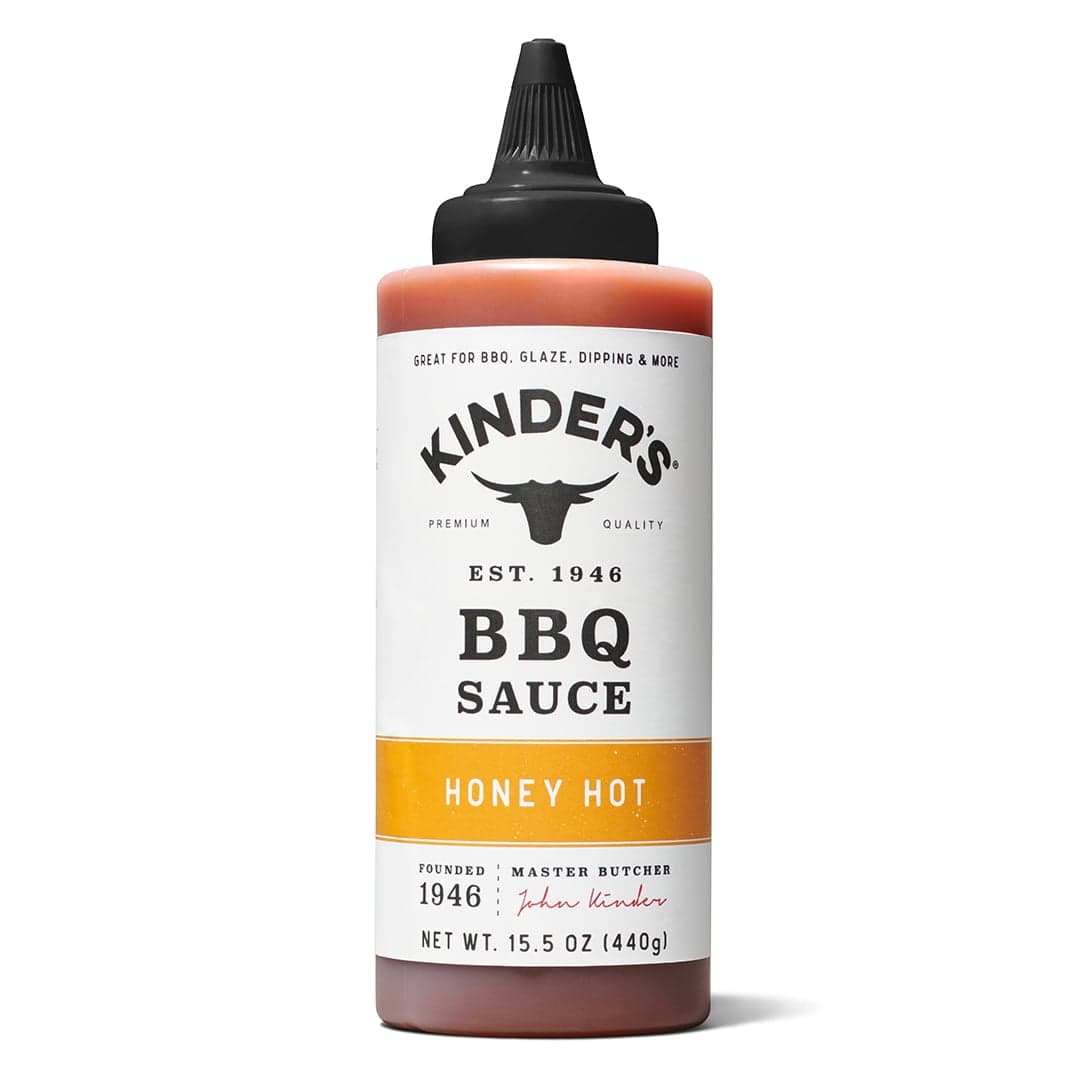
Mix equal parts hot sauce and honey, then add melted butter to taste. This sweet-heat combo is addictive and pairs beautifully with a cool ranch or blue cheese dip. If you want a ready-made version with complex flavor, Kinder's Honey Hot BBQ Sauce delivers the perfect balance of sweet, smoky, and spicy without any mixing required.
Garlic Parmesan Wings
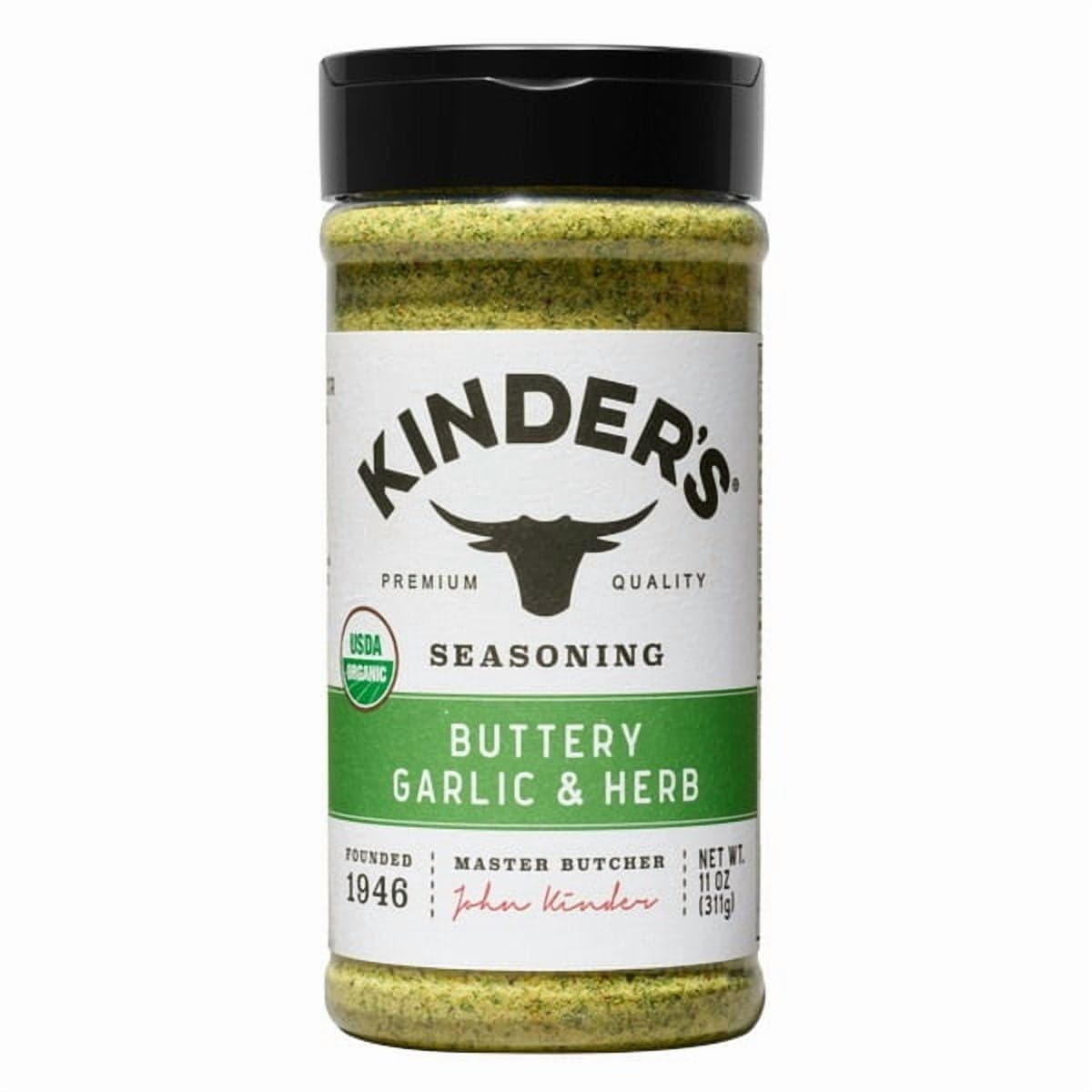
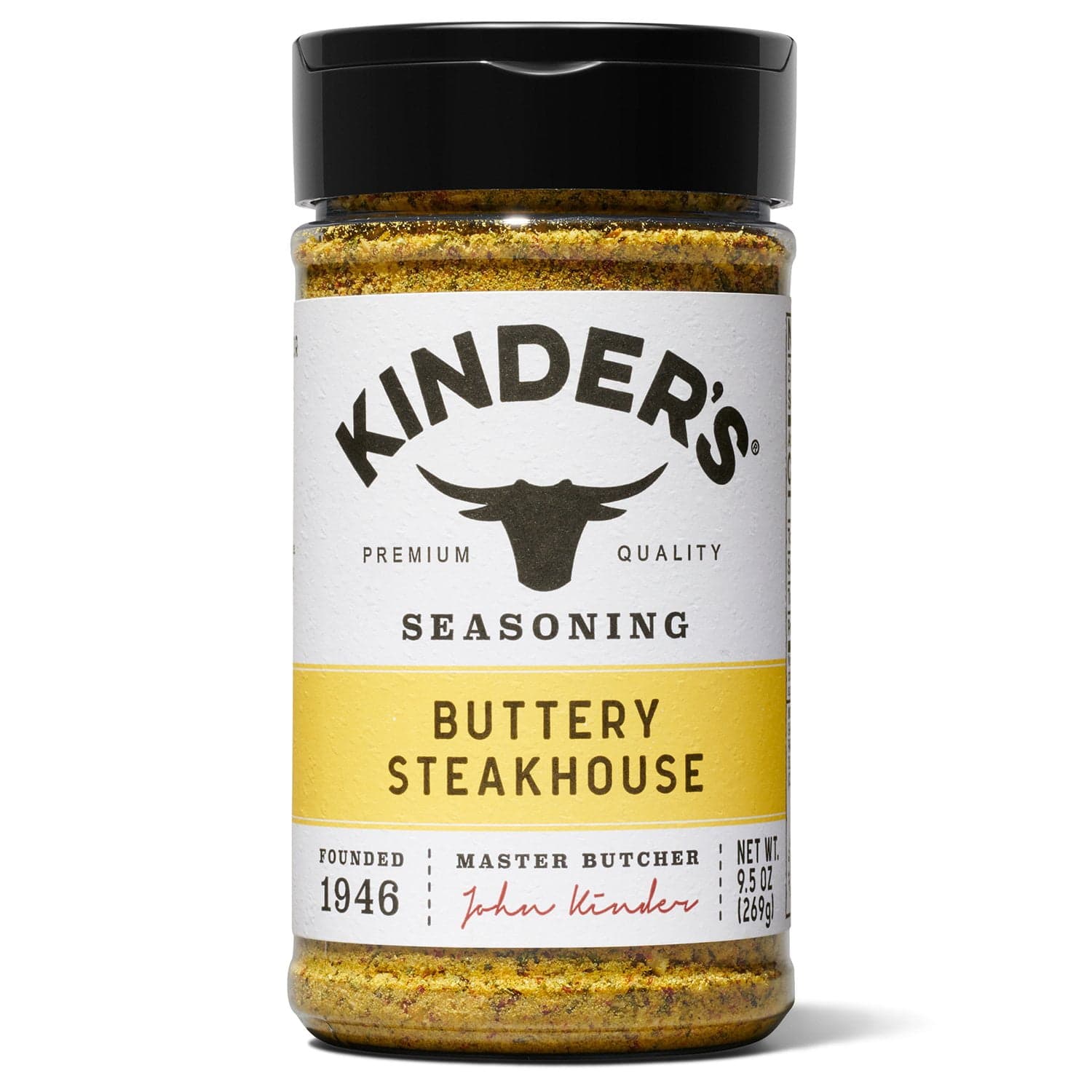
After cooking, toss wings in melted butter spiked with minced garlic, then shower them with freshly grated Parmesan and chopped parsley. For a shortcut with restaurant-level flavor, Kinder's Garlic Parmesan Seasoning brings roasted garlic, aged Parmesan, and Italian herbs in one shake. Toss the hot wings in melted butter, dust with the seasoning, and toss again.
These are less saucy than buffalo wings but just as craveable, and they're a great option if you're serving people who don't love heat.
Bourbon Peach Wings
Sweet, tangy, and just a little smoky, bourbon peach wings are a Southern-style twist that works especially well on the grill. Use a bourbon peach BBQ sauce (or make your own by reducing peach preserves with bourbon, apple cider vinegar, and a pinch of cayenne). Kinder's Bourbon Peach Wing Sauce is a solid ready-to-use option that balances fruit sweetness with a whiskey kick and a hint of smoke.
Sauce Application: Toss vs. Brush
There are two schools of thought here. Tossing wings in a bowl gives you the most even, generous coating—this is the classic buffalo wing method. Brushing sauce onto the wings with a pastry brush or silicone brush gives you more control over the amount and keeps the skin slightly crispier, since it doesn't get fully submerged.
If you want maximum crispiness, brush a thin layer of sauce onto the wings right after cooking, then serve extra sauce on the side for dipping. If you want that classic saucy, messy, lick-your-fingers experience, toss them in a big bowl and don't hold back.
The Best Dipping Sauces and Sides
Buffalo wings are traditionally served with celery sticks, carrot sticks, and blue cheese or ranch dressing. The cool, creamy dip cuts the heat and richness of the wings, and the vegetables add crunch and a bit of virtue to an otherwise indulgent meal.
If you're making blue cheese dressing from scratch, combine crumbled blue cheese, sour cream, mayonnaise, a splash of buttermilk, lemon juice, and a pinch of garlic powder. For ranch, mix sour cream, mayo, buttermilk, dried dill, garlic powder, onion powder, and a squeeze of lemon.
Other great sides include french fries, coleslaw, cornbread, mac and cheese, or a simple green salad. If you're grilling, throw some corn on the cob or foil-pack potatoes on the grill alongside the wings.
Common Mistakes (and How to Avoid Them)
Crowding the Pan or Basket
Wings need air circulation to crisp up. If they're touching or overlapping, they'll steam instead of roast. Always use a wire rack in the oven, and cook in batches in the air fryer if needed.
Skipping the Dry Step
Wet wings = soggy wings. Pat them bone-dry before seasoning, and consider the overnight fridge trick if you have time.
Saucing Too Early
If you add sauce before the wings are fully cooked, the sugars in the sauce can burn and turn bitter. Always sauce after cooking, or in the final minute on the grill.
Not Using Enough Salt
Even if your sauce is salty, the wings themselves need seasoning. The baking powder mixture should include salt, or season the wings separately before cooking.
Scaling Up for a Party
If you're cooking for a crowd, here's a strategy that keeps things manageable: cook the wings ahead of time (oven or air fryer), let them cool on a rack, then reheat and crisp them up in a hot oven or on the grill right before serving. This lets you prep in batches without a last-minute scramble.
You can also set up a DIY wing bar with three or four sauces, letting guests choose their own adventure. Offer classic buffalo, garlic parm, honey hot, and a wild card (Korean BBQ, bourbon peach, or even a chili crunch glaze made with Momofuku Chili Crunch and honey).
Keep the wings warm in a low oven (200°F) and refresh them under the broiler for a minute before serving each batch. Label the sauces, set out plenty of napkins, and prepare for compliments.
Leftover Wings: Storage and Reheating
Wings are best fresh, but leftovers can be stored in an airtight container in the fridge for up to three days. To reheat, avoid the microwave—it'll make them rubbery. Instead, spread them on a wire rack over a baking sheet and reheat in a 375°F oven for 10–12 minutes, or until heated through and the skin crisps back up.
You can also reheat them in the air fryer at 360°F for 5–6 minutes. If they seem dry, toss them in a little extra sauce after reheating.
Why the Reddit r/food Community Loves Homemade Wings
Browse r/food for five minutes and you'll see why wings are a perennial favorite. They're photogenic—golden, glossy, and piled high on a plate. They're approachable for beginner cooks but offer enough technique to keep experienced cooks engaged. And they're endlessly customizable, which means every home cook can put their own spin on the formula.
When someone posts a plate of [Homemade] buffalo wings, the comments are always a mix of recipe requests, technique debates (baking powder vs. cornstarch, toss vs. brush), and pure appreciation. It's comfort food that crosses cultures, occasions, and skill levels.
Final Tips for Buffalo Wing Success
- Use a meat thermometer. Wings are done at 165°F internal temperature. Underdone wings are rubbery; overdone wings are dry.
- Invest in a wire rack. It's a $10 upgrade that transforms your wings (and roasted vegetables, and bacon).
- Taste your sauce before tossing. Adjust heat, salt, and butter to your preference—it's easier to fix before it's on the wings.
- Serve immediately. Wings lose their crispness as they sit. If you're cooking in batches, keep finished wings in a 200°F oven until ready to serve.
- Don't be afraid to experiment. Once you master the base technique, try dry rubs, international glazes, or hybrid sauces. The worst that happens is you order pizza.
Ready to Make Your Best Wings Yet?
Homemade buffalo wings aren't just a weekend project—they're a skill that pays dividends every time you want to impress guests, satisfy a craving, or avoid overpriced delivery. With the right technique, a few quality shortcuts, and a willingness to get a little messy, you'll be turning out restaurant-quality wings in your own kitchen.
Whether you stick with classic buffalo or branch into Korean BBQ, honey hot, or bourbon peach, the formula is the same: dry wings, crispy skin, bold sauce, and confidence. Check out our collection of wing sauces and seasonings to keep your wing nights interesting, and don't forget to share your results—bonus points if you post them on r/food.
Shop the products mentioned in this article
Free shipping on every order. No minimums, no gimmicks.