How to Pick the Right BBQ Sauce for Pulled Pork (Guide)
Choosing the right BBQ sauce can make or break your pulled pork. Learn which sauce styles work best, how to match flavor profiles, and when to sauce your pork.
Pulled pork is forgiving, crowd-pleasing, and almost impossible to mess up—until you pick the wrong BBQ sauce. The right sauce amplifies smoky, tender pork without overwhelming it. The wrong one turns twelve hours of smoking into a one-note sugar bomb. This guide walks you through every major BBQ sauce style, explains which profiles work best with pulled pork, and shows you exactly when and how to apply sauce for maximum flavor.
Why BBQ Sauce Choice Matters More Than You Think
Pulled pork has a mild, slightly sweet flavor and a texture that absorbs sauce like a sponge. Unlike brisket or ribs, where the meat's own fat and bark carry much of the flavor, pulled pork relies heavily on seasoning, smoke, and sauce to deliver complexity. A well-chosen sauce can add tangy brightness, deepen smokiness, introduce heat, or provide a glossy caramelized finish. A poorly matched sauce can mask the pork entirely or clash with your rub.
The key is balance. Your sauce should complement—not compete with—the smoke, the rub, and the natural pork flavor. That means understanding the base flavor profile of your sauce, the sugar content, the acidity level, and how it interacts with heat.
The Five Core BBQ Sauce Styles and How They Pair with Pulled Pork
American BBQ sauce isn't one thing. Regional styles vary wildly in ingredients, sweetness, thickness, and acidity. Here's how the major styles perform with pulled pork.
Kansas City-Style: The Sweet, Thick Classic
Kansas City sauce is what most people picture when they think "BBQ sauce." It's thick, tomato-based, sweet, and molasses-forward with a hint of smoke and tang. This is the style you'll find on most grocery store shelves.
Best for: Competition-style pulled pork, backyard cookouts, and anyone who likes a glossy, caramelized finish. The high sugar content means it can burn if applied too early, so brush it on during the last 30 minutes of cooking or mix it into the pork after pulling.
Flavor notes: Brown sugar, molasses, tomato, smoke, mild vinegar. Works well if your rub is savory or peppery and you want the sauce to bring sweetness.
Carolina Vinegar-Based: Tangy and Thin
Eastern North Carolina sauce is mostly vinegar, red pepper flakes, and a touch of sugar. It's thin, sharp, and designed to cut through fatty pork rather than coat it. Western (Piedmont) Carolina adds a bit of ketchup or tomato, giving it a slight rust color and a touch more body.
Best for: Traditional pulled pork, especially if you're smoking a whole hog or bone-in shoulder. The acidity brightens the meat and keeps each bite from feeling heavy. This is the most "authentic" choice for pulled pork purists.
Flavor notes: Sharp vinegar, heat, slight sweetness. Ideal if you want the pork and smoke to remain the stars. Mix it into pulled pork right after shredding, or serve it on the side for guests to add as they like.
South Carolina Mustard-Based: Tangy with a Twist
South Carolina's "Carolina Gold" sauce starts with yellow mustard, then adds vinegar, brown sugar, and spices. The result is tangy, slightly sweet, and unmistakably mustardy. It's bold but not overpowering, and it clings to pork better than vinegar sauce while staying lighter than KC-style.
Best for: Pork shoulder with a simple rub. The mustard adds a layer of complexity without needing a heavily spiced rub. Great for sliders, tacos, or rice bowls where you want a punchy, distinctive flavor.
Flavor notes: Tangy mustard, vinegar, brown sugar, pepper. Works especially well if you've used a salt-and-pepper or garlic-forward rub.
Alabama White Sauce: Creamy and Unexpected
Alabama white sauce is mayonnaise-based with vinegar, lemon juice, horseradish, and black pepper. It sounds strange, but it's creamy, tangy, and surprisingly bright. Traditionally used on chicken, it's gaining traction as a pulled pork topping—especially on sandwiches.
Best for: Pulled pork sandwiches with slaw, or as a drizzle over tacos. It's rich and cooling, so it pairs well with spicy rubs or jalapeños. Not ideal for mixing into the meat, but excellent as a finishing sauce or dip.
Flavor notes: Creamy, tangy, peppery, with a hint of horseradish bite. Best when you want contrast rather than cohesion.
Texas-Style and Specialty Sauces
Texas BBQ traditionally skips the sauce or goes minimal—think thin, peppery "mop" sauces used during cooking. But modern Texas-inspired sauces often feature bold flavors like bourbon, peach, black garlic, or honey with heat.
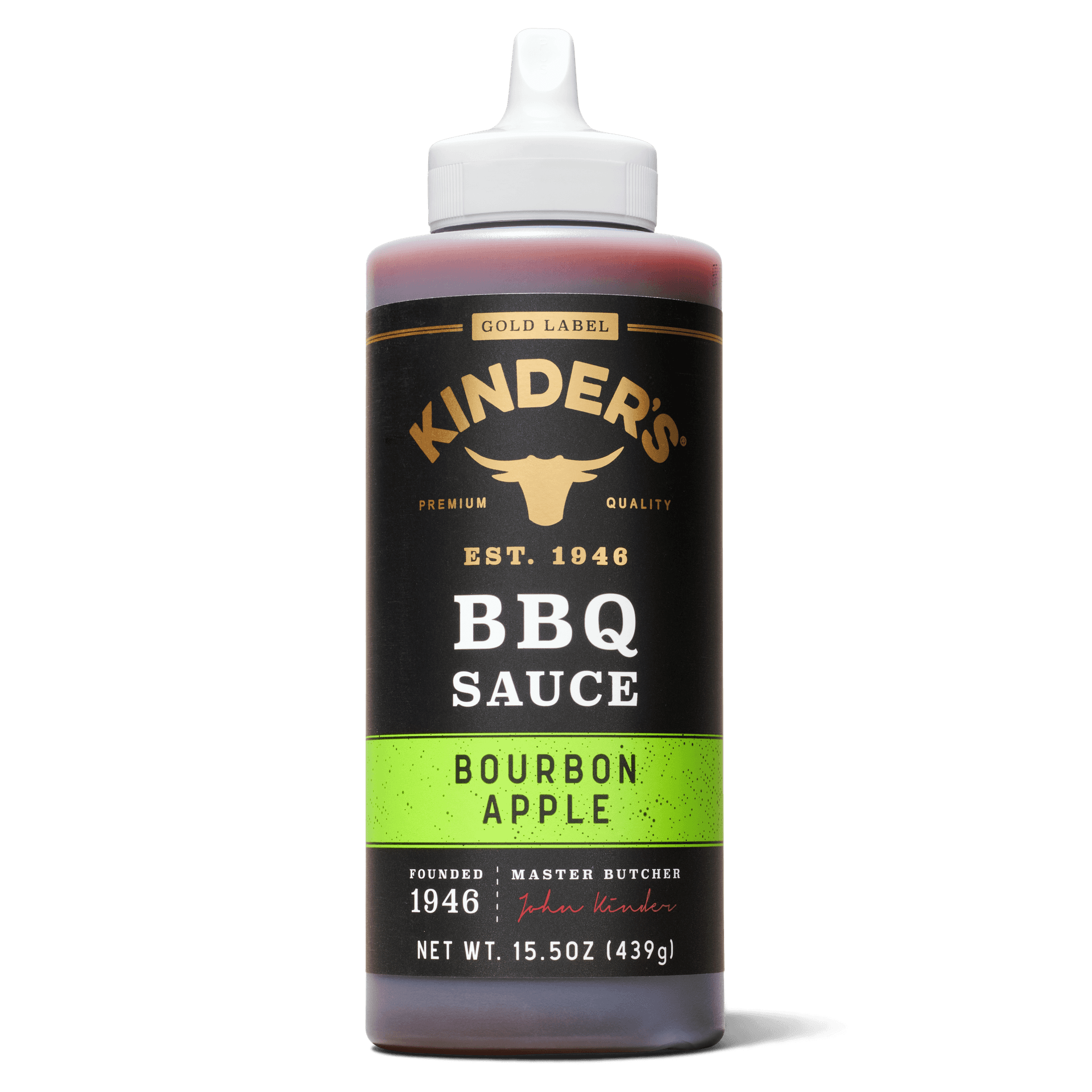
For pulled pork, these sauces work when you want to experiment or add a signature twist. A bourbon apple BBQ sauce can add fruity depth and a hint of whiskey warmth, while a black garlic BBQ sauce brings umami richness and a subtle funk that pairs beautifully with smoke. Meanwhile, honey hot BBQ sauce delivers the perfect balance of sweetness and heat, ideal for those who want a little kick without overwhelming the pork.
Best for: When you want a conversation-starter sauce that goes beyond the classics. These work well for tacos, loaded fries, or bowls where the sauce is a featured ingredient, not just a background note.
How to Match Sauce to Your Rub and Cooking Method
Your BBQ sauce doesn't exist in a vacuum. It needs to work with your rub, your smoke, and your cooking method. Here's how to think about pairing.
If You Used a Sweet or Brown Sugar Rub
Balance sweetness with acidity. A vinegar-based Carolina sauce or a mustard sauce will cut through the sugar and prevent the final dish from tasting like candy. Avoid stacking another sweet KC-style sauce unless you're intentionally going for a dessert-level glaze.
If You Used a Savory, Peppery, or Garlic-Heavy Rub
You have room to bring sweetness. A KC-style sauce, a bourbon peach sauce, or a honey hot sauce will add complexity without clashing. The savory base of the rub keeps the sweetness grounded.
If You Smoked Low and Slow with Heavy Smoke
Let the smoke shine. Thin, tangy sauces like Eastern Carolina or mustard-based options won't cover up the smoke ring and bark you worked so hard to build. Thick, sweet sauces can overwhelm delicate smoke flavor.
If You Used a Pressure Cooker, Slow Cooker, or Oven
You probably have less smoke and bark, so a bolder, thicker sauce can add the richness and complexity the meat might lack. KC-style, bourbon apple, or black garlic sauces can help bridge the gap and deliver that "BBQ" flavor even without a smoker.
When to Apply BBQ Sauce: Timing Is Everything
How and when you sauce your pulled pork changes the texture, flavor, and appearance of the final dish. There are three main approaches, and each has its place.
Mix Sauce into Pulled Pork After Shredding
This is the most common method. After pulling the pork, you mix in sauce (and sometimes some of the cooking liquid or "au jus") to keep the meat moist and evenly flavored. This works especially well with thin sauces like vinegar-based or mustard-based options.
How much to use: Start with a few tablespoons per pound of pulled pork. You can always add more, but you can't take it back. Toss gently with tongs or forks, taste, and adjust.
Glaze the Pork Shoulder During the Last 30–60 Minutes
If you're smoking or roasting, you can brush sauce onto the exterior of the pork shoulder before pulling. This caramelizes the sugars, creates a sticky bark, and adds a glossy finish. It's great for presentation and for adding a layer of concentrated flavor.
How to do it: Wait until the internal temp hits at least 195°F, then brush on a thick sauce. Return to heat for 20–30 minutes to set the glaze. Be careful with high-sugar sauces—they can burn quickly above 300°F.
Serve Sauce on the Side
This is the purist's move. Keep the pork naked (or lightly dressed with cooking liquid), and let everyone sauce their own sandwiches, bowls, or plates. It's especially smart when serving a crowd with different heat tolerances or flavor preferences.
Pro tip: Offer two sauces—one tangy and one sweet. A vinegar-based and a honey hot option, for example, covers most bases and lets guests customize.
How to Taste and Adjust Your Sauce Choice
Even if you've chosen a sauce style, you may need to tweak it to suit your pork. Here's how to taste and adjust like a pitmaster.
- Too sweet: Add a splash of apple cider vinegar, lemon juice, or hot sauce to brighten and balance.
- Too tangy: Stir in a bit of brown sugar, honey, or a sweet sauce to mellow the acidity.
- Too thin: Reduce the sauce on the stovetop, or mix in a thicker sauce to add body.
- Too thick: Thin with apple juice, cider vinegar, or the pork's cooking liquid.
- Lacks depth: Add a pinch of smoked paprika, garlic powder, onion powder, or a dash of Worcestershire.
- Needs heat: A few shakes of hot sauce, cayenne, or crushed red pepper can wake up a flat sauce.
Taste your sauce on a small portion of pulled pork before committing to the whole batch. This gives you a true sense of how the flavors marry.
Creative Ways to Use BBQ Sauce Beyond the Sandwich
Once you've nailed your sauce and pork pairing, don't limit yourself to buns. Here are a few ideas that show off your hard work.
Pulled Pork Tacos with Slaw
Use a mustard-based or vinegar sauce on the pork, top with crunchy slaw, and finish with pickled jalapeños. The acidity and crunch balance the richness of the pork.
Loaded Pulled Pork Fries
Pile pulled pork over crispy fries, drizzle with a thick BBQ sauce (bourbon apple or black garlic work great here), add cheese, green onions, and a dollop of sour cream or Alabama white sauce.
BBQ Pork Rice Bowls
Inspired by viral TikTok rice bowls, layer white rice, pulled pork, pickled cucumbers, shredded cabbage, and a drizzle of tangy sauce. A mustard-based or honey hot sauce adds the perfect punch.
Pulled Pork Mac and Cheese
Stir sauced pulled pork into creamy mac and cheese, top with breadcrumbs, and bake until golden. A sweet-and-tangy sauce like bourbon apple complements the cheese without overpowering it.
BBQ Pork Quesadillas
Layer pulled pork, cheese, and a bit of BBQ sauce between tortillas and crisp on a griddle. Serve with sour cream and salsa. A thinner sauce works best here to avoid sogginess.
Common Pulled Pork Sauce Mistakes to Avoid
Even experienced grillers can stumble when saucing pulled pork. Here are the pitfalls to watch out for.
Over-Saucing the Meat
More is not better. Too much sauce turns pulled pork into a wet, drippy mess that slides off sandwiches and loses texture. Start light and build.
Applying Sweet Sauce Too Early
High-sugar sauces burn easily. If you glaze too early or cook at too high a temp, you'll end up with bitter, charred pork instead of a caramelized crust.
Ignoring the Rub
If your rub is already sweet, salty, or spicy, your sauce needs to account for that. Taste a piece of unsauced pork first to understand what flavors are already present.
Using Cold Sauce on Hot Pork
Cold sauce can cool down your pork and create an uneven coating. Warm your sauce gently on the stove or in the microwave before mixing it in.
Skipping the Resting Period
After pulling and saucing, let the pork rest for 10–15 minutes. This allows the sauce to soak in and the flavors to meld, rather than just sitting on the surface.
How to Build a BBQ Sauce Bar for Your Next Cookout
If you're serving a crowd, set up a sauce station so everyone can customize their pulled pork. Here's how to do it right.
- Offer three sauce styles: A sweet thick option (like Kinder's Founder's Reserve BBQ Sauce), a tangy thin option (vinegar-based or mustard), and a specialty sauce with heat or unique flavor (like honey hot or bourbon peach).
- Label each sauce: Use small chalkboard signs or printed labels so guests know what they're choosing.
- Provide small squeeze bottles or spoons: This keeps the sauce bar tidy and prevents cross-contamination.
- Add toppings: Pickles, jalapeños, coleslaw, crispy onions, and fresh herbs let guests build their perfect bite.
- Keep sauces warm: Use a slow cooker on low or small warming dishes to keep sauces at serving temperature.
Final Thoughts: Trust Your Taste, Not Tradition
There's no single "correct" BBQ sauce for pulled pork. The best choice depends on your rub, your cooking method, your region, and—most importantly—your personal taste. Carolina vinegar sauce is traditional, but if you prefer the richness of a bourbon apple glaze or the umami depth of black garlic, use it. Pulled pork is versatile enough to handle bold choices.
The smartest move is to start with a small test batch. Pull a handful of pork, try it with a few different sauces, and see what makes your taste buds light up. Once you find your match, you'll have a go-to combination you can confidently serve to friends, family, or hungry guests at your next cookout.
Ready to take your pulled pork to the next level? Explore our collection of premium BBQ sauces and seasonings, stock up on a few different styles, and start experimenting. Your perfect pulled pork is just one sauce away.
Shop the products mentioned in this article
Free shipping on every order. No minimums, no gimmicks.