How to Pick the Right BBQ Sauce for Pulled Pork (Every Style)
Not all BBQ sauces work for pulled pork. Learn how to match sauce styles to your cooking method, flavor goals, and regional traditions—plus modern twists.
Pulled pork is one of the most forgiving, crowd-pleasing BBQ staples you can cook at home—but the sauce you choose can make or break the final dish. A tangy vinegar mop plays completely different than a thick, sweet Kansas City glaze, and knowing which style fits your pork, your cook, and your palate is the difference between good and unforgettable.
This guide walks you through the major BBQ sauce families, how they interact with pulled pork, when to sauce (and when not to), and a few modern flavor hacks that go way beyond the classic bottle. Whether you're smoking low-and-slow or using a slow cooker for weeknight ease, you'll know exactly what to reach for.
Why BBQ Sauce Choice Matters for Pulled Pork
Pulled pork is rich, fatty, and—when cooked right—deeply savory. The sauce you pair with it needs to either cut through that richness with acid and brightness, or amplify the sweetness and umami with molasses, tomato, and spice. Get it wrong, and your pork tastes one-note or cloying. Get it right, and every bite has balance.
Unlike brisket (which often shines with minimal sauce) or ribs (where sauce is more of a glaze), pulled pork is typically tossed or dressed in sauce. That means the sauce becomes part of the texture and moisture of the meat itself, not just a condiment on the side. You want a sauce that seasons the pork from the inside out.
The Five Core BBQ Sauce Styles (and How They Work with Pork)
Regional BBQ tradition has given us distinct sauce families, each with a purpose. Here's how the major styles perform with pulled pork.
1. Vinegar-Based (Eastern North Carolina Style)
Thin, tangy, and peppery. This is the OG pulled pork sauce—essentially seasoned vinegar with a hit of heat. It soaks into the meat without coating it, letting the pork flavor shine while adding brightness and just enough spice.
Best for: Whole-hog or shoulder cooked low-and-slow with minimal rub. If your pork already has a strong bark or smoke ring, vinegar sauce won't compete. It's also the top choice for sandwiches with crunchy slaw, where you want acid to tie everything together.
Flavor profile: Sharp, clean, peppery. No sweetness.
When to skip it: If you want a sauce that clings or caramelizes, vinegar-based won't do it. This is a finishing sauce, not a glaze.
2. Mustard-Based (South Carolina Style)
Golden, tangy, and slightly sweet. Mustard sauces use yellow mustard as the base, balanced with vinegar, a touch of brown sugar, and spices. The result is punchy and bold without being heavy.
Best for: Pork that's been rubbed with brown sugar or paprika-forward blends. The mustard complements sweet and smoky rubs beautifully. It also works if you're cooking indoors (oven, slow cooker, Instant Pot) and want to add complexity without relying on smoke.
Flavor profile: Tangy-sweet with a slight sharpness. More body than vinegar sauce, but still light.
When to skip it: If mustard isn't your thing, this won't convert you. It's a love-it-or-leave-it style.
3. Tomato-Vinegar (Western North Carolina / Lexington Style)
A hybrid: tomato paste or ketchup thinned with vinegar and spiked with sugar and spice. It's thicker than pure vinegar sauce but thinner and tangier than Kansas City. Think of it as the middle ground.
Best for: Versatility. This style works for both traditional smoker pork and weeknight slow-cooker batches. It adds color, tang, and a hint of sweetness without overwhelming the meat.
Flavor profile: Balanced—tangy, lightly sweet, with a ketchup-forward base.
When to skip it: If you want a thick, sticky glaze or a super-clean vinegar punch, this won't satisfy either extreme.
4. Thick & Sweet (Kansas City Style)
The grocery-store standard. Tomato and molasses-based, thick enough to coat a spoon, sweet enough to border on dessert. Kansas City sauces often include liquid smoke, garlic powder, onion powder, and Worcestershire.
Best for: Pork cooked with a simple salt-pepper-garlic rub, or when you're feeding a crowd that expects "classic BBQ" flavor. It's also great for caramelizing—brush it on in the last 20 minutes of cooking for a sticky, glossy finish.
Flavor profile: Sweet, smoky, thick. Molasses and brown sugar dominate.
When to skip it: If your pork is already heavily spiced or if you want the meat to be the star. KC-style sauce can overpower delicate smoke and rub flavors.
5. Specialty & Fusion Styles
This is where things get fun. Modern BBQ has embraced Asian-inspired glazes, bourbon-spiked sauces, fruit-forward blends, and umami-packed hybrids. These work especially well when you're looking to surprise guests or riff on tradition.
Examples:
- Korean BBQ–inspired: Gochujang, soy, sesame, and honey. Pairs beautifully with pork and adds a sweet-spicy-funky note.
- Bourbon or whiskey BBQ: Sweet and smoky with caramel and vanilla undertones. Excellent for pulled pork sliders.
- Fruit-based (peach, apple, cherry): Adds natural sweetness and a hint of brightness. Works well with pork that has a peppery rub.
- Black garlic or umami-forward: Deepens savory notes without adding sugar. Great for a more sophisticated, less-sweet profile.
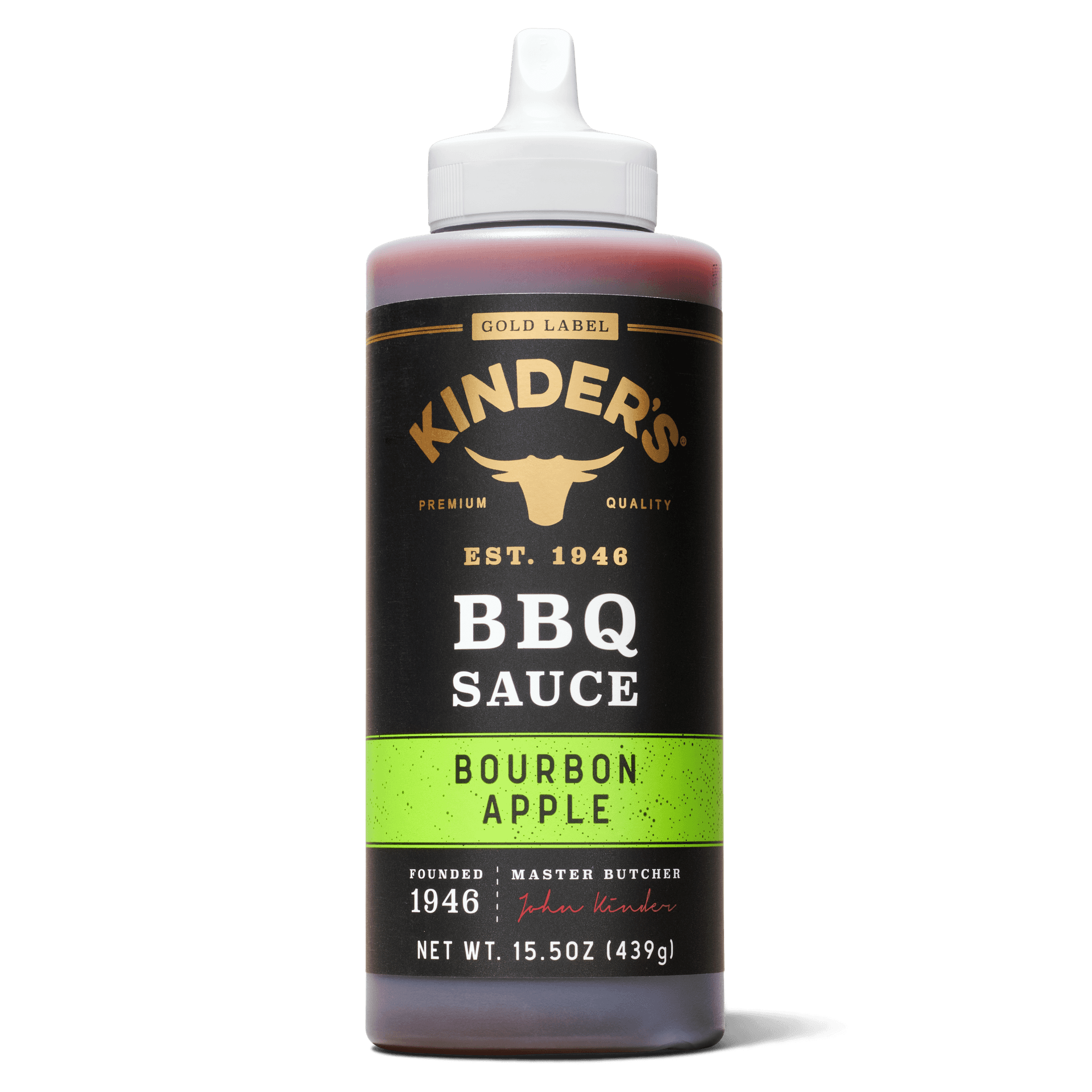
If you're experimenting with fusion BBQ sauces, Kinder's Gold Label Bourbon Apple BBQ Sauce is a standout. The bourbon adds warmth and complexity, while the apple brings a subtle fruit sweetness that doesn't taste like candy. It's thick enough to cling to pulled pork without being gloppy, and it works whether you're smoking, roasting, or slow-cooking. Brush it on during the last stage of cooking or toss your finished pork in it—either way, it delivers a modern twist on traditional BBQ.
For a bold, umami-rich alternative, try Kinder's Gold Label Black Garlic BBQ Sauce. This isn't your standard sweet sauce—it's built on fermented black garlic, which adds a deep, savory backbone with hints of balsamic and molasses. It's less sugary than Kansas City style but still has enough body to coat pulled pork beautifully. If you want a sauce that feels more grown-up and pairs well with a peppery bark, this is it.
How to Match Sauce to Your Cooking Method
Your cooking method affects moisture, bark formation, and how much flavor the pork picks up on its own. Here's how to choose sauce accordingly.
Smoked Pork Shoulder (Low and Slow, 225–250°F)
You've invested 10–14 hours. The pork has a dark bark, a smoke ring, and deep flavor from the wood. Don't drown it.
Go with a vinegar-based or tomato-vinegar sauce that enhances rather than masks. Toss lightly—just enough to moisten and season. Serve extra sauce on the side so guests can control their own sweetness level.
Slow Cooker or Instant Pot Pulled Pork
Fast, convenient, but lacking smoke and bark. The pork will be tender and mild. This is where a thicker, bolder sauce shines—Kansas City, bourbon apple, black garlic, or mustard-based.
Add the sauce in the last 30 minutes of slow cooking (or immediately after pressure cooking) and let it meld with the juices. You're essentially building flavor with the sauce rather than around it.
Oven-Roasted Pork Shoulder
Middle ground. You get some caramelization and browning, but not true smoke. A tomato-vinegar or specialty sauce works well here. Brush on a glaze in the last 20–30 minutes for a sticky finish, then toss the pulled meat lightly in more sauce before serving.
Grilled Pork Steaks or Chops (for Pulled-Style Serving)
If you're grilling thicker cuts and then chopping them, you want a sauce that can handle high heat without burning. Vinegar-based or thinner tomato sauces are safer for basting. Save thick, sugary sauces for the last two minutes or apply after pulling.
When to Sauce: Timing Matters
There's no single "right" time to add BBQ sauce to pulled pork, but each approach creates a different result.
During the Cook (Mop or Spritz)
Thin, vinegar-based sauces or mop mixtures can be applied every hour or so during smoking. This adds moisture and a light seasoning layer without interfering with bark formation. Do not use thick, sugary sauces this way—they'll burn.
Last 20–30 Minutes (Glaze)
Brush on a thicker sauce and let it caramelize and set. This creates a sticky, flavorful crust on the outside of the shoulder. Once you pull the pork, some of that glaze will mix in, giving you pockets of intense flavor.
After Pulling (Toss or Dress)
This is the most common method. Pull your pork, taste it plain, then add sauce gradually—start with a few tablespoons per pound and toss. You can always add more. This method gives you the most control and keeps the meat from becoming a saucy mush.
On the Side (Serve It Separately)
Purists and競合煙hosts often prefer this. Serve naked pulled pork and let people sauce their own sandwiches or plates. It respects the cook and accommodates different tastes in one meal.
Flavor Pairing Tips: Rubs, Wood, and Sauce Synergy
BBQ is a system. Your rub, wood choice, and sauce should work together, not clash.
If You Used a Sweet Rub (Brown Sugar, Honey Powder)
Balance it with a tangy or mustard-based sauce. Too much sweetness makes the pork taste like candy. Vinegar or mustard will cut through and add contrast.
If You Used a Peppery or Savory Rub
You have more freedom. A sweet sauce will add dimension, while a vinegar sauce will keep things sharp and clean. Both work—it's a matter of preference.
If You Smoked with Fruit Wood (Apple, Cherry)
Fruit woods add a mild, sweet smoke. Pair with fruit-forward or bourbon BBQ sauces to echo that sweetness, or go with vinegar to contrast it.
If You Smoked with Hickory or Oak
Strong, traditional smoke. Kansas City or black garlic sauces stand up well here. You need a sauce with enough body and flavor to match the bold smoke.
Modern Twists: Beyond the Bottle
Want to level up your pulled pork without buying ten bottles of sauce? Try these hacks:
- Mix your own: Combine a vinegar-based sauce with a few spoonfuls of Kansas City for a custom balance of tang and sweetness.
- Add heat: Stir in hot sauce, gochujang, or a spoonful of Momofuku Chili Crunch for texture and spice.
- Spike with umami: Add a tablespoon of soy sauce, Worcestershire, or fish sauce to a sweet BBQ sauce for depth.
- Finish with butter: Toss pulled pork in sauce, then stir in a pat of butter. It emulsifies the sauce and makes everything richer and silkier.
- Top with crunch: Instead of more sauce, top your sandwich or bowl with crispy fried onions, pickled jalapeños, or a drizzle of chili oil for contrast.
Common Mistakes When Saucing Pulled Pork
Even experienced cooks mess this up. Avoid these pitfalls:
Over-Saucing
More is not better. If your pork is swimming in sauce, you lose the texture of the meat. Start with less, taste, adjust.
Using Cold Sauce
If you're tossing hot pulled pork in cold sauce straight from the fridge, the pork cools down and the sauce doesn't incorporate well. Warm your sauce gently before mixing.
Ignoring the Pork Itself
Taste your pork before adding sauce. If it's already perfectly seasoned and juicy, you may only need a light drizzle or none at all. Don't sauce out of habit—sauce with intention.
Using the Wrong Sauce for the Cook
Thick, sugary sauce on a 12-hour smoke? Overkill. Thin vinegar sauce on bland slow-cooker pork? Underwhelming. Match the sauce intensity to the intensity of your cook.
Sauce Pairings for Different Serving Styles
How you serve pulled pork should influence your sauce choice.
Pulled Pork Sandwiches
You want a sauce that won't make the bun soggy but still adds flavor. Vinegar-based or tomato-vinegar sauces are ideal. Add crunchy slaw on top for texture and freshness.
Pulled Pork Bowls (Rice, Quinoa, Greens)
Think about the whole bowl. If you're using Asian-inspired toppings (pickled veg, sesame, scallions), go with a Korean BBQ or soy-based sauce. If it's a Southern-style bowl with cornbread and beans, stick with mustard or Kansas City.
Pulled Pork Tacos
Less is more. Use a thin, tangy sauce or a chipotle-spiked blend. Let the toppings (salsa, lime, cilantro, crema) do some of the flavor work. Heavy BBQ sauce can overwhelm taco seasoning.
Pulled Pork Nachos or Fries
Go bold. You're layering flavors, so a sweet and smoky or bourbon BBQ sauce works great. Drizzle it over the top along with cheese, jalapeños, and sour cream.
How to Build Your Own BBQ Sauce Pantry
You don't need a dozen bottles, but having two or three core styles gives you flexibility.
The essentials:
- One vinegar-based or thin tomato-vinegar sauce for traditional pulled pork and sandwiches.
- One thick, sweet sauce (Kansas City or bourbon-style) for glazing, slow-cooker pork, or crowd-pleasing.
- One wild card—something with heat, fruit, umami, or fusion flair for experimenting.
If you want a single sauce that works across multiple styles, Kinder's Gold Label Founder's Reserve BBQ Sauce is a solid all-rounder. It's thick enough to glaze, sweet enough to please a crowd, but balanced with enough tang and spice that it doesn't taste like syrup. Use it on pulled pork straight out of the slow cooker, or thin it with a splash of apple cider vinegar if you want a lighter finish.
Final Thoughts: Trust Your Taste
There's no definitive "best" BBQ sauce for pulled pork—only the best sauce for you, your cook, and your occasion. Regional tradition matters, but so does personal preference. If you love sweet and sticky, own it. If you want sharp and clean, go for it. The goal is balance: sauce should enhance the pork, not bury it.
Start with the guidelines in this post, taste as you go, and don't be afraid to mix, tweak, or skip the sauce entirely if your pork doesn't need it. BBQ is as much about intuition as it is about technique.
Ready to level up your pulled pork game? Explore our full collection of BBQ sauces and seasonings, and find the flavor that makes your next cookout unforgettable.
Shop the products mentioned in this article
Free shipping on every order. No minimums, no gimmicks.