Kinder's Cowboy Butter vs Buttery Steakhouse: Which Wins?
Kinder's Cowboy Butter and Buttery Steakhouse are both butter-forward seasonings, but they deliver wildly different flavors. Here's how to pick the right one.
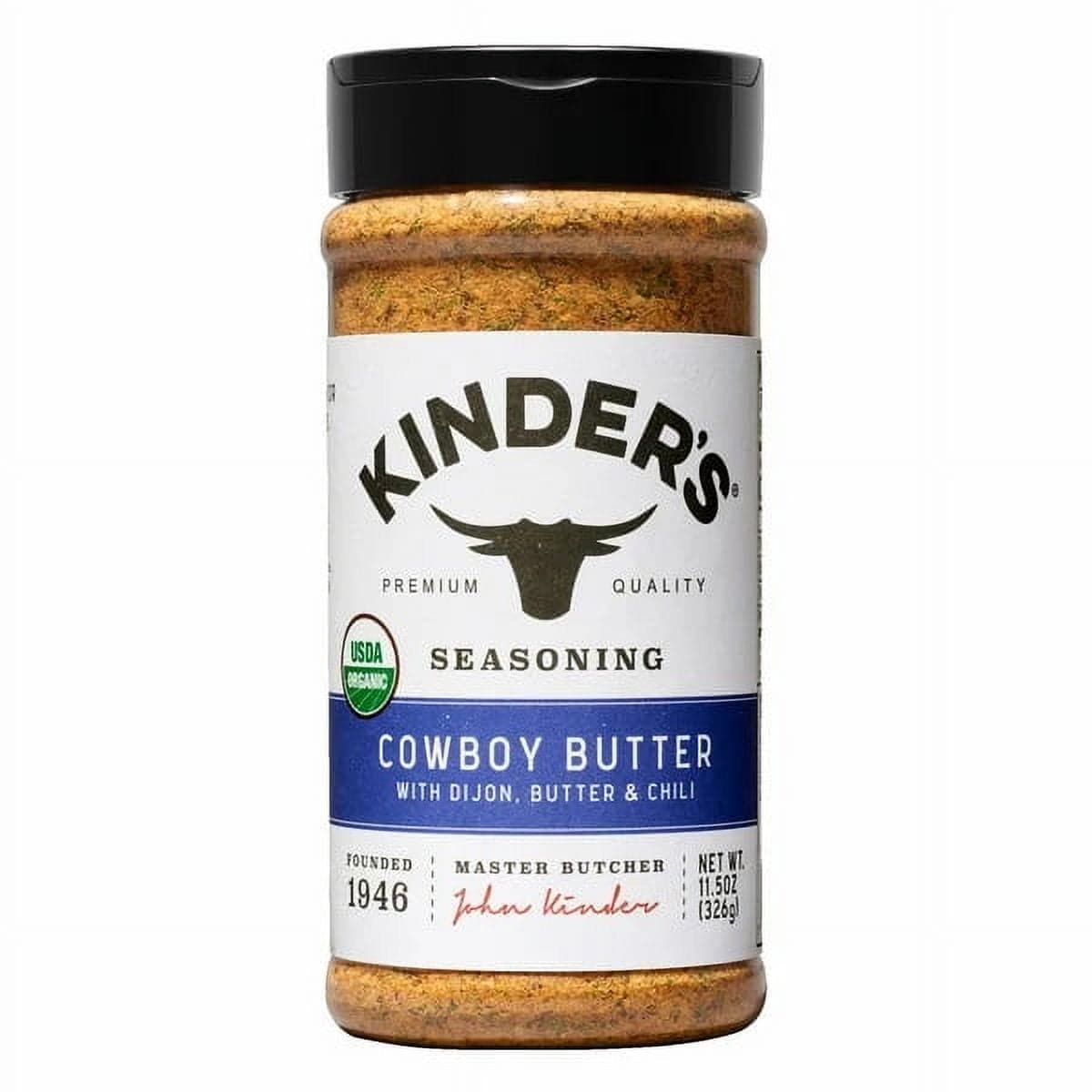
If you've spent any time scrolling grilling TikTok or browsing the seasoning aisle, you've probably seen two Kinder's bottles that look similar but promise very different flavor experiences: Kinder's Organic Cowboy Butter Seasoning and Kinder's Buttery Steakhouse Seasoning. Both are butter-forward blends designed to make steak, chicken, vegetables, and everything else taste like it came from a high-end kitchen. But which one belongs in your cart?
The answer depends on what you're cooking and how adventurous your palate is. Cowboy Butter leans herby, bright, and versatile—think compound butter vibes in a shaker. Buttery Steakhouse is the classic, savory workhorse that nails steakhouse flavors without any surprises. This guide breaks down the flavor profiles, best uses, ingredient differences, and real cooking scenarios so you can confidently choose the right blend—or justify buying both.
What Is Cowboy Butter Seasoning?
Cowboy Butter became a viral sensation on TikTok as a compound butter recipe—melted butter mixed with garlic, herbs, lemon, and a kick of chili flakes, typically drizzled over steak. Kinder's bottled that trend into a dry seasoning that delivers the same flavor punch without the prep work.
Kinder's Organic Cowboy Butter Seasoning is USDA Organic, packed with garlic, parsley, chives, thyme, lemon peel, and a touch of heat from red pepper. The flavor is bold but balanced—herby and citrusy with a savory backbone. It's designed to mimic the experience of brushing fresh herb butter onto a hot ribeye, but in a convenient, shelf-stable format.
The 11.5-ounce bottle is larger than many Kinder's blends, and the organic certification appeals to home cooks who want cleaner ingredient lists without sacrificing flavor intensity.
Flavor Profile Breakdown
- Dominant notes: Garlic, parsley, lemon zest
- Secondary flavors: Chives, thyme, onion, butter powder
- Heat level: Mild warmth from red pepper flakes
- Finish: Bright, herbaceous, slightly tangy
Cowboy Butter is what you reach for when you want your food to taste fresh and restaurant-quality, not just seasoned. It's the kind of blend that makes people ask, "Wait, what did you put on this?"
What Is Buttery Steakhouse Seasoning?
Kinder's Buttery Steakhouse Seasoning has been a staple in the Kinder's lineup for years. It's a straightforward, no-nonsense blend built around the holy trinity of steak seasoning: salt, pepper, and garlic. The "buttery" part comes from butter powder and a hint of onion that rounds out the savory punch.
This is the blend you grab when you want classic steakhouse flavor—the kind that tastes like a $50 ribeye at a dimly lit chophouse, not a backyard experiment. It's less about complexity and more about amplifying the natural flavors of beef, pork, and poultry with rich, savory depth.
The 9.5-ounce bottle is a workhorse in any spice cabinet. It's not organic, and it doesn't try to be trendy. It just works.
Flavor Profile Breakdown
- Dominant notes: Black pepper, garlic, butter
- Secondary flavors: Onion, salt, subtle umami
- Heat level: None—just peppery bite
- Finish: Rich, savory, steakhouse-classic
Buttery Steakhouse is comfort in a bottle. It's what you use when you want to nail a perfectly seasoned steak without overthinking it.
Key Ingredient Differences
Both blends share a buttery foundation, but the supporting cast is completely different. Here's how they stack up ingredient-wise:
Cowboy Butter Ingredients
Organic garlic, organic parsley, organic sea salt, organic chives, organic butter powder, organic onion, organic lemon peel, organic thyme, organic red pepper flakes, and organic black pepper.
The organic certification means no synthetic pesticides, GMOs, or artificial additives. The lemon peel and fresh herb blend give it a brightness that's rare in dry seasonings.
Buttery Steakhouse Ingredients
Salt, black pepper, garlic, butter powder (butter, nonfat milk, sodium caseinate), onion, spices, sugar, natural butter flavor, and silicon dioxide (to prevent caking).
This is a more traditional seasoning blend. The sugar content is minimal but helps with caramelization on high heat. The natural butter flavor is more pronounced here than in Cowboy Butter.
Allergen & Dietary Notes
Both contain dairy (butter powder), so they're not suitable for vegans or anyone with a dairy allergy. Cowboy Butter is USDA Organic and appeals to shoppers avoiding conventional ingredients. Buttery Steakhouse contains added anti-caking agents, which some cooks prefer to avoid but most won't notice in the final dish.
Best Uses for Cowboy Butter
Cowboy Butter's herby, citrus-forward profile makes it a standout on proteins that benefit from brightness and complexity. It's not a one-trick pony—this blend shines in more applications than you'd expect.
Steak & Beef
Cowboy Butter is phenomenal on ribeye, New York strip, or flank steak. The lemon and herbs cut through the richness of marbled beef, and the garlic ties everything together. Use it as a dry rub 30 minutes before grilling, or sprinkle it over sliced steak after resting for a finishing touch.
Chicken & Poultry
This is where Cowboy Butter truly excels. Toss bone-in thighs with olive oil and a heavy coating of the seasoning, then roast at 425°F until the skin crisps up. The herbs and lemon make chicken taste like you marinated it overnight, even if you seasoned it five minutes ago.
Seafood
Lemon and butter are classic seafood companions, and Cowboy Butter delivers both. Try it on grilled shrimp, seared scallops, or baked salmon. It's also excellent on foil-packet fish with vegetables.
Vegetables & Sides
Roasted potatoes, Brussels sprouts, asparagus, or green beans all benefit from Cowboy Butter's herbaceous kick. Toss vegetables in oil, hit them with the seasoning, and roast until caramelized. It's also stellar on garlic bread or tossed with hot pasta for a quick side dish.
Compound Butter & Sauces
Mix Cowboy Butter into softened butter (yes, butter on butter) for an instant compound butter that's perfect for topping grilled steak, corn on the cob, or baked potatoes. You can also whisk it into melted butter for a dipping sauce for crab legs or lobster.
Best Uses for Buttery Steakhouse
Buttery Steakhouse is all about amplifying the natural flavors of meat. It's a savory powerhouse that works best when you want classic, no-frills steakhouse results.
Steak & Beef
This is Buttery Steakhouse's home turf. Use it on any cut—ribeye, sirloin, filet, tri-tip, or even budget-friendly chuck steak. The black pepper and garlic build a crust that caramelizes beautifully over high heat, while the butter powder adds richness without overwhelming the beef.
Burgers
Season your ground beef with Buttery Steakhouse before forming patties, or sprinkle it on the outside just before the burger hits the grill. It adds depth without turning your burger into a science experiment. If you want more complexity, Kinder's Butcher's Burger Blend is purpose-built for patties, but Buttery Steakhouse is a solid all-rounder.
Pork Chops & Tenderloin
Buttery Steakhouse works beautifully on pork, especially thicker cuts that can handle a heavy season. The pepper and garlic bring out pork's natural sweetness without adding any distracting flavors.
Roasted Chicken
While Cowboy Butter is better for bright, herby chicken, Buttery Steakhouse is perfect for a classic roast chicken with crispy, savory skin. Rub it under and over the skin before roasting for deep, even flavor.
Vegetables & Potatoes
Buttery Steakhouse is excellent on roasted potatoes, especially wedges or smashed potatoes where you want a crispy, savory crust. It's also great on grilled mushrooms, zucchini, or bell peppers.
Head-to-Head Cooking Test: Ribeye Steak
To settle the debate, I cooked two identical ribeyes—one with Cowboy Butter, one with Buttery Steakhouse—using the same method: reverse sear at 250°F until internal temp hit 120°F, then seared in a cast-iron skillet with avocado oil.
Cowboy Butter Ribeye
The crust was fragrant and herby, with visible flecks of parsley and garlic. The first bite delivered a burst of lemon and chives that complemented the beef's richness. The seasoning was present but didn't dominate—it made the steak taste brighter and more complex. It felt modern, almost restaurant-style.
Buttery Steakhouse Ribeye
The crust was darker and more caramelized, with a pronounced black pepper bite and a buttery, umami-rich finish. The flavor was classic and comforting—exactly what you expect from a great steakhouse. The seasoning enhanced the beef without adding any surprises.
The Verdict
Both were excellent, but they delivered different experiences. Cowboy Butter made the ribeye taste like a special-occasion dish with a chef's touch. Buttery Steakhouse made it taste like the best version of a classic steakhouse ribeye. If you're cooking for someone who loves bold, herby flavors, go Cowboy Butter. If you're feeding a traditionalist, Buttery Steakhouse wins every time.
Which One Should You Buy?
Here's the honest breakdown based on your cooking style and flavor preferences.
Choose Cowboy Butter If:
- You love fresh, herby flavors and citrus brightness
- You cook a lot of chicken, seafood, or vegetables
- You prefer organic ingredients
- You want a seasoning that feels modern and trend-forward
- You like compound butter but don't want to make it from scratch
Choose Buttery Steakhouse If:
- You want classic steakhouse flavor without any surprises
- You cook beef and pork more than chicken or seafood
- You prefer savory, peppery profiles over herby ones
- You want a versatile, everyday workhorse seasoning
- You don't care about organic certification
Buy Both If:
You grill regularly and want options. Cowboy Butter is your "fancy dinner" or "company's coming over" blend. Buttery Steakhouse is your Tuesday night ribeye or weekend burger seasoning. They don't overlap enough to be redundant, and they're both affordable enough to justify keeping both in rotation.
Pro Tips for Getting the Most Out of Each Blend
Don't Underseason
Both blends are bold, but they're designed to be used generously. A light dusting won't give you the full flavor experience. For a 1-inch ribeye, use about 1 to 1.5 teaspoons per side.
Let It Sit
If time allows, season your protein 20–30 minutes before cooking. The salt will penetrate the meat, and the garlic and herbs will bloom. For chicken, you can season up to 4 hours ahead and refrigerate uncovered for extra-crispy skin.
Finish with Fat
Both seasonings contain butter powder, but they shine even brighter when you add a pat of real butter to your steak or vegetables right before serving. The seasoning amplifies the butter's richness, and the butter carries the seasoning's aromatics.
Use Cowboy Butter as a Finisher
Because of its fresh herb and lemon profile, Cowboy Butter works beautifully as a finishing seasoning. Sprinkle it over sliced steak, grilled shrimp, or roasted vegetables right before serving to preserve the brightness.
Layer Buttery Steakhouse
Buttery Steakhouse can handle high heat without burning (unlike some herb-heavy blends), so it's perfect for searing, grilling, or blackening. Use it as a base layer, then add a finishing drizzle of sauce or a knob of butter.
Other Kinder's Blends Worth Considering
If you love the buttery richness of these two seasonings but want to explore other profiles, Kinder's has a few more blends in the same family.
Kinder's Buttery Garlic and Herb
Kinder's Buttery Garlic and Herb Seasoning is USDA Organic and sits somewhere between Cowboy Butter and Buttery Steakhouse. It's herby like Cowboy Butter but without the lemon, and it's buttery like Buttery Steakhouse but with more garlic and parsley. It's an excellent middle-ground option if you want versatility and organic ingredients.
Kinder's The Blend
Kinder's The Blend is the minimalist option—just salt, pepper, and garlic. It's perfect if you want complete control over your seasoning and prefer to build flavors yourself. It's less rich than Buttery Steakhouse and less herby than Cowboy Butter, but it's a clean, reliable base for any protein.
Final Thoughts: Two Great Seasonings, Two Different Jobs
Kinder's Cowboy Butter and Buttery Steakhouse are both excellent seasonings, but they're not interchangeable. Cowboy Butter is bright, herby, and modern—perfect for chicken, seafood, vegetables, and steak when you want something that tastes like a chef touched it. Buttery Steakhouse is rich, savory, and classic—ideal for beef, pork, and anyone who wants steakhouse flavor without the guesswork.
Neither is "better" in a vacuum. The right choice depends on what you're cooking and what flavor experience you're chasing. If you grill regularly, both deserve a spot in your spice cabinet. If you're choosing just one, think about what you cook most often: herby and bright, or rich and classic.
Ready to decide for yourself? Grab a bottle of Kinder's Organic Cowboy Butter Seasoning or Kinder's Buttery Steakhouse Seasoning and put them to the test on your next steak, chicken, or grilled dinner. You might just end up with both.
Shop the products mentioned in this article
Free shipping on every order. No minimums, no gimmicks.