What Makes a Great Korean BBQ Sauce (And How to Use It)
Korean BBQ sauce balances sweet, savory, and umami flavors with bold depth. Learn what makes the best sauces work, key ingredients to look for, and how to use them beyond grilled meat.
Korean BBQ sauce has exploded in popularity over the last few years, showing up everywhere from backyard grills to TikTok recipe videos. But what actually separates a mediocre bottle from one that transforms simple grilled chicken into something unforgettable? Understanding the fundamentals of Korean BBQ sauce will change how you approach weeknight grilling and help you recognize quality when you see it on the shelf.
The Core Flavor Profile of Korean BBQ Sauce
Great Korean BBQ sauce achieves a careful balance between sweet, savory, salty, and umami. Unlike American BBQ sauces that lean heavily on tomato, smoke, or vinegar, Korean BBQ sauces build complexity through fermented ingredients, fruit sweetness, and aromatic elements like garlic, ginger, and sesame.
The foundation typically starts with soy sauce, which provides the salty backbone and deep umami richness. From there, sweetness enters through ingredients like brown sugar, honey, pear, or apple. This isn't just about making the sauce taste sweet—the fruit sugars caramelize beautifully on the grill, creating that signature glossy, slightly charred exterior on Korean grilled meats.
Garlic and ginger bring aromatic punch without overwhelming the sauce. Sesame oil adds a subtle nutty undertone that ties everything together. Some versions include gochugaru (Korean red pepper flakes) or gochujang (fermented red pepper paste) for heat and additional fermented complexity, though not all Korean BBQ sauces are spicy.
Key Ingredients That Define Quality
When you're evaluating a Korean BBQ sauce—whether you're buying a bottle or making your own—these are the ingredients that signal authenticity and depth of flavor.
Soy Sauce Base
Quality matters here. Traditional Korean BBQ sauces use naturally brewed soy sauce rather than chemical alternatives. The fermentation process creates layers of umami that you simply can't replicate with shortcuts. Some premium versions use Korean ganjang (soy sauce) or even a blend of light and dark soy for complexity.
Fruit Components
This is where Korean BBQ sauce diverges dramatically from Western styles. Asian pear is traditional—its subtle sweetness and natural enzymes help tenderize meat while adding fruity notes that don't read as overtly "apple" or "grape." Some modern versions use kiwi, pineapple, or apple. The fruit does double duty: sweetening the sauce and breaking down proteins for more tender results.
Fermented Elements
Gochujang brings fermented soybean and red pepper depth. Even in sauces that aren't particularly spicy, a small amount of gochujang adds complexity that makes the sauce taste fuller and more developed. Some recipes also incorporate doenjang (fermented soybean paste) or miso for additional umami layers.
Aromatics and Alliums
Fresh garlic and ginger are non-negotiable. Garlic powder and ginger powder have their place in dry rubs, but in a liquid sauce, fresh aromatics make a noticeable difference. Scallions or onion often appear in traditional recipes, adding a mild sweetness and vegetal note.
Sesame
Toasted sesame oil is the finishing touch that gives Korean BBQ sauce its characteristic nutty aroma. A little goes a long way—too much and it becomes overpowering. Some sauces also include toasted sesame seeds for texture and visual appeal.
Texture and Consistency
Korean BBQ sauce should have medium body—thick enough to cling to meat without sliding off, but fluid enough to brush on easily and penetrate into nooks and crannies. It shouldn't be as thick as ketchup or as thin as soy sauce.
The best sauces have a glossy sheen that comes from the natural sugars and oils. When you heat it (either in the pan or on the grill), it should bubble gently and reduce into a glaze rather than burn or separate. The sugars should caramelize at high heat without turning acrid.
How Korean BBQ Sauce Differs from Other Asian Sauces
It's easy to confuse Korean BBQ sauce with other Asian glazes and marinades, but they're distinct products designed for different purposes.
Korean BBQ Sauce vs. Teriyaki: Teriyaki is Japanese, usually thinner, and built around a soy-mirin-sugar base. It's sweeter and less complex than Korean BBQ sauce, with no fermented elements or fruit. Teriyaki shines as a glaze, while Korean BBQ sauce works as both marinade and finishing sauce.
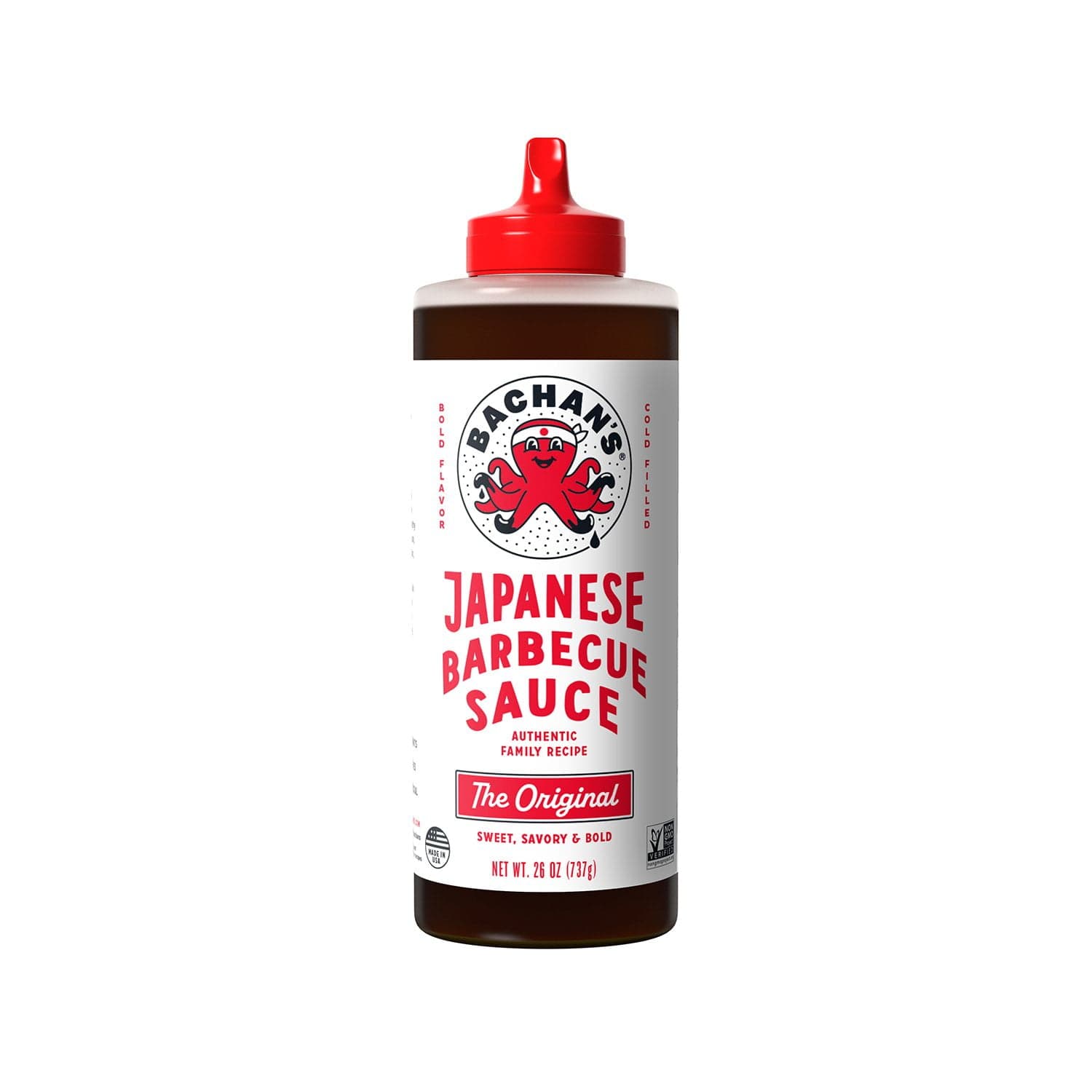
Korean BBQ Sauce vs. Japanese BBQ Sauce (Yakiniku): Yakiniku sauce is closer to Korean BBQ sauce but typically includes more fruit (often apple and plum) and occasionally a hint of citrus. The flavor profile is slightly lighter and less fermented. If you're familiar with Bachan's Japanese BBQ Sauce, you know that Japanese-style BBQ sauces lean sweeter with prominent ginger notes—delicious, but different from the deeper, funkier quality of Korean versions.
Korean BBQ Sauce vs. Gochujang: Gochujang is a thick fermented pepper paste, not a sauce. It's an ingredient in many Korean BBQ sauces, but on its own it's too thick, too spicy, and too intensely funky to use as a direct substitute.
Traditional Uses and Applications
Korean BBQ sauce is remarkably versatile. In Korea, it's traditionally used for bulgogi (thinly sliced marinated beef) and galbi (short ribs). The meat marinates for hours, allowing the enzymes in the fruit to tenderize while the flavors penetrate deeply.
But you don't have to stick with tradition. This sauce works brilliantly on:
- Chicken thighs: The dark meat holds up to the bold flavors and stays juicy during grilling or pan-searing
- Pork belly or pork chops: The sweetness balances the richness of pork perfectly
- Salmon or other fatty fish: The umami enhances the natural richness without overpowering delicate fish flavor
- Vegetables: Brush it on grilled eggplant, mushrooms, zucchini, or bell peppers for instant depth
- Wings: Korean BBQ wings have become a modern classic, especially when you finish them under the broiler for caramelized edges
- Rice bowls: Drizzle over rice with whatever protein and vegetables you have on hand
- Stir-fries: Use it as the sauce component in quick weeknight stir-fries
Marinade vs. Glaze vs. Dipping Sauce
One of the reasons Korean BBQ sauce is so useful is that it can play multiple roles in the same meal.
As a Marinade
Use it straight from the bottle for at least 30 minutes, though 4-8 hours is better for tougher cuts. The acids and enzymes from the fruit tenderize while the flavors soak in. Always discard marinade that's been in contact with raw meat. If you want to use some as a finishing sauce, set aside a portion before adding the meat.
As a Basting Sauce or Glaze
Brush it on during the last few minutes of grilling. The sugars will caramelize quickly over direct heat, creating a glossy, slightly sticky coating. Apply it in the final 5-10 minutes to avoid burning. If you're finishing in the oven or under the broiler, watch carefully—that thin line between caramelized and charred happens fast.
As a Dipping Sauce
Serve a small bowl alongside grilled meat, especially if you're doing Korean-style lettuce wraps. Some people like to thin it slightly with water or rice vinegar when using it as a dip.
Making Your Own vs. Buying
Homemade Korean BBQ sauce is absolutely worth making if you have the time and ingredients. You'll need soy sauce, brown sugar, Asian pear or apple, garlic, ginger, sesame oil, and optionally gochugaru or gochujang. Blend everything together, simmer briefly to meld the flavors, and strain if you want a smooth texture.
The downside? Fresh Asian pear isn't always easy to find, and getting the balance right takes a few attempts. A great bottled sauce saves time and delivers consistent results.
If you want the Korean flavor profile but prefer a dry seasoning for convenience and shelf stability, consider something like Kinder's Korean BBQ Seasoning. It captures the sweet-savory-umami balance in spice form, perfect for quick rubs or when you want bold flavor without the moisture of a marinade.
What to Avoid in Store-Bought Versions
Not all Korean BBQ sauces are created equal. Here's what to watch out for when you're shopping:
- High-fructose corn syrup as the first ingredient: This signals a sauce that's more about cheap sweetness than balanced flavor
- Artificial smoke flavor: Korean BBQ sauce shouldn't taste smoky—that's an Americanization that muddles the profile
- Overly thick consistency: If it looks like molasses, it won't work well as a marinade or penetrate into the meat
- Lack of garlic and ginger: Check the ingredient list—these should appear prominently, not buried at the end
- Tomato paste: A sure sign the sauce is trying to mimic American BBQ rather than deliver authentic Korean flavor
- Too much heat without complexity: If it's just spicy without the sweet-savory balance, it's missing the point
Pairing Korean BBQ Sauce with Other Seasonings
Korean BBQ sauce is bold enough to stand alone, but it also plays well with certain seasonings and rubs. If you're marinating overnight, you might want just the sauce. But for quick weeknight meals or when you want extra crust, layering flavors works beautifully.
Before applying the sauce, try seasoning your protein with a simple garlic-forward rub. Something like Kinder's Woodfired Garlic Seasoning adds roasted garlic depth that complements rather than competes with Korean BBQ sauce. The key is choosing seasonings that enhance the existing flavor profile rather than introducing conflicting notes like cumin or Italian herbs.
The Dry Rub + Sauce Technique
This two-step approach gives you the best of both worlds: a flavorful crust and a glossy glaze. Season your meat with a dry rub (garlic, salt, pepper, maybe a touch of brown sugar), then grill or sear until nearly done. In the last few minutes, brush on Korean BBQ sauce and let it caramelize. The dry rub creates texture and locks in moisture, while the sauce provides that signature Korean flavor.
Korean BBQ Sauce for Wings
If you've been following food trends, you know Korean-style wings are everywhere right now. The formula is simple but effective: crispy wings + sweet-savory glaze + sesame seeds and scallions. Korean BBQ sauce is perfect for this application.
The best method: bake or fry your wings until crispy, then toss them in warmed Korean BBQ sauce. The residual heat helps the sauce cling and creates a glossy coating. If you want extra caramelization, toss the sauced wings under the broiler for 1-2 minutes.
For a different take with similar vibes, check out Kinder's Sweet & Spicy Korean Wing Sauce, which is specifically formulated for the crispy-sticky wing experience with gochugaru heat and sesame finish.
Weeknight-Friendly Recipes Using Korean BBQ Sauce
The real test of any sauce is whether you'll actually use it on a Tuesday night when you're tired and need dinner in 30 minutes.
Quick Korean Chicken Rice Bowl
Dice chicken thighs, season with salt and pepper, and pan-sear over high heat until crispy. In the last minute, add a few tablespoons of Korean BBQ sauce and toss to coat. Serve over rice with cucumber, shredded carrots, kimchi, and a fried egg. Dinner in 20 minutes.
Sheet Pan Korean Salmon
Brush salmon fillets with Korean BBQ sauce, arrange on a sheet pan with broccoli and sliced bell peppers, and roast at 425°F for 12-15 minutes. The sauce caramelizes beautifully in the oven while the vegetables pick up those drippings.
Korean Pork Lettuce Wraps
Brown ground pork with garlic and ginger, drain excess fat, then stir in Korean BBQ sauce and let it reduce slightly. Serve in butter lettuce cups with rice, pickled vegetables, and extra sauce for drizzling. Kids love this one.
Grilled Korean BBQ Vegetables
Slice zucchini, eggplant, and mushrooms about ½-inch thick. Brush with neutral oil, grill until marked, then brush with Korean BBQ sauce in the last minute. These make an excellent side dish or vegetarian main over noodles or rice.
Storing and Shelf Life
Unopened Korean BBQ sauce keeps in the pantry until the date on the bottle. Once opened, store it in the refrigerator where it'll last several months. The high sugar and salt content act as preservatives.
If you make your own, refrigerate immediately and use within two weeks. Homemade versions lack the preservatives of commercial products and contain fresh ingredients that spoil faster.
Always use a clean utensil when scooping sauce from the bottle. If you've used it as a marinade, remember that anything that's touched raw meat must be discarded or boiled for at least 5 minutes to kill bacteria.
Beyond the Grill: Unexpected Uses
Once you have a bottle of Korean BBQ sauce in your fridge, you'll start finding creative uses beyond grilled meat.
- Glaze for roasted Brussels sprouts or cauliflower: Toss vegetables with oil and roast until almost done, then toss with sauce and return to the oven for 5 minutes
- Stir into ground meat for Korean-style tacos or sliders: Mix it into the meat while cooking for instant flavor
- Pizza sauce alternative: Sounds wild, but Korean BBQ chicken pizza with mozzarella, scallions, and sesame seeds is a modern classic
- Noodle sauce: Thin it with a little water or broth and toss with soba or udon noodles, vegetables, and protein
- Burger glaze: Brush on burgers during the last minute of grilling for a sweet-savory twist
- Meatball glaze: Simmer meatballs in Korean BBQ sauce diluted with a bit of water for an easy appetizer
The Bottom Line on Great Korean BBQ Sauce
What makes a great Korean BBQ sauce comes down to balance and quality ingredients. It should be sweet but not cloying, savory with deep umami, aromatic with garlic and ginger, and finished with the nutty warmth of sesame. The texture should cling without being gloppy, and it should caramelize beautifully under high heat without burning.
Whether you're buying or making, look for real brewed soy sauce, fruit-based sweetness, fermented elements like gochujang, and fresh aromatics. Avoid anything that tries to taste like American BBQ sauce with Korean flavors tacked on—that's not the same thing.
The versatility of Korean BBQ sauce makes it worth keeping in your rotation. It works as marinade, glaze, and dipping sauce. It transforms quick weeknight proteins into something special and makes vegetables actually exciting. Once you understand what makes it great, you'll recognize quality versions immediately and know exactly how to use them.
Ready to level up your grilling and weeknight cooking? Explore our collection of Korean-inspired seasonings, wing sauces, and Asian BBQ essentials and discover how the right sauce changes everything on your plate.
Shop the products mentioned in this article
Free shipping on every order. No minimums, no gimmicks.