Best Kinder's Seasoning for Every Dish (2026 Expert Guide)
From steaks to wings to weeknight chicken, discover which Kinder's seasoning delivers the best flavor for every cooking method and protein in 2026.
Kinder's has exploded from a California roadside barbecue stand into one of America's most trusted seasoning brands, and for good reason. Their blends deliver restaurant-quality flavor without the fuss, whether you're firing up the grill or throwing together a quick weeknight meal. But with more than two dozen seasonings in their lineup, choosing the right one for your cooking style can feel overwhelming.
This guide breaks down the best Kinder's seasoning for every major use case: grilling steaks, seasoning chicken, elevating vegetables, and building better burgers. We'll cover what makes each blend stand out, when to use it, and how to get the most flavor from every shake.
What Makes Kinder's Seasonings Different
Before we dive into specific blends, it helps to understand what sets Kinder's apart from the McCormicks and store brands crowding your spice aisle.
First, the flavor profile. Kinder's leans into bold, buttery, umami-forward blends rather than one-note salt bombs. Many of their seasonings incorporate natural butter flavors, garlic, herbs, and savory depth that mimic what a steakhouse kitchen would build from scratch. You're not just adding salt—you're layering complexity.
Second, the texture. Kinder's grinds are often coarser and more varied than typical supermarket seasonings, which means better crust formation on grilled proteins and more visual appeal on finished dishes.
Third, versatility. While some seasonings are hyper-specialized (looking at you, poultry-only blends), Kinder's formulas tend to work across multiple proteins and cooking methods. A good Kinder's seasoning can jump from steak to roasted potatoes to popcorn without missing a beat.
Best Kinder's Seasoning for Steaks
If you're serious about steak, you need a seasoning that enhances beef's natural richness without overpowering it. Three Kinder's blends consistently dominate the steak category, but they serve different styles.
Buttery Steakhouse: The All-Around Champion
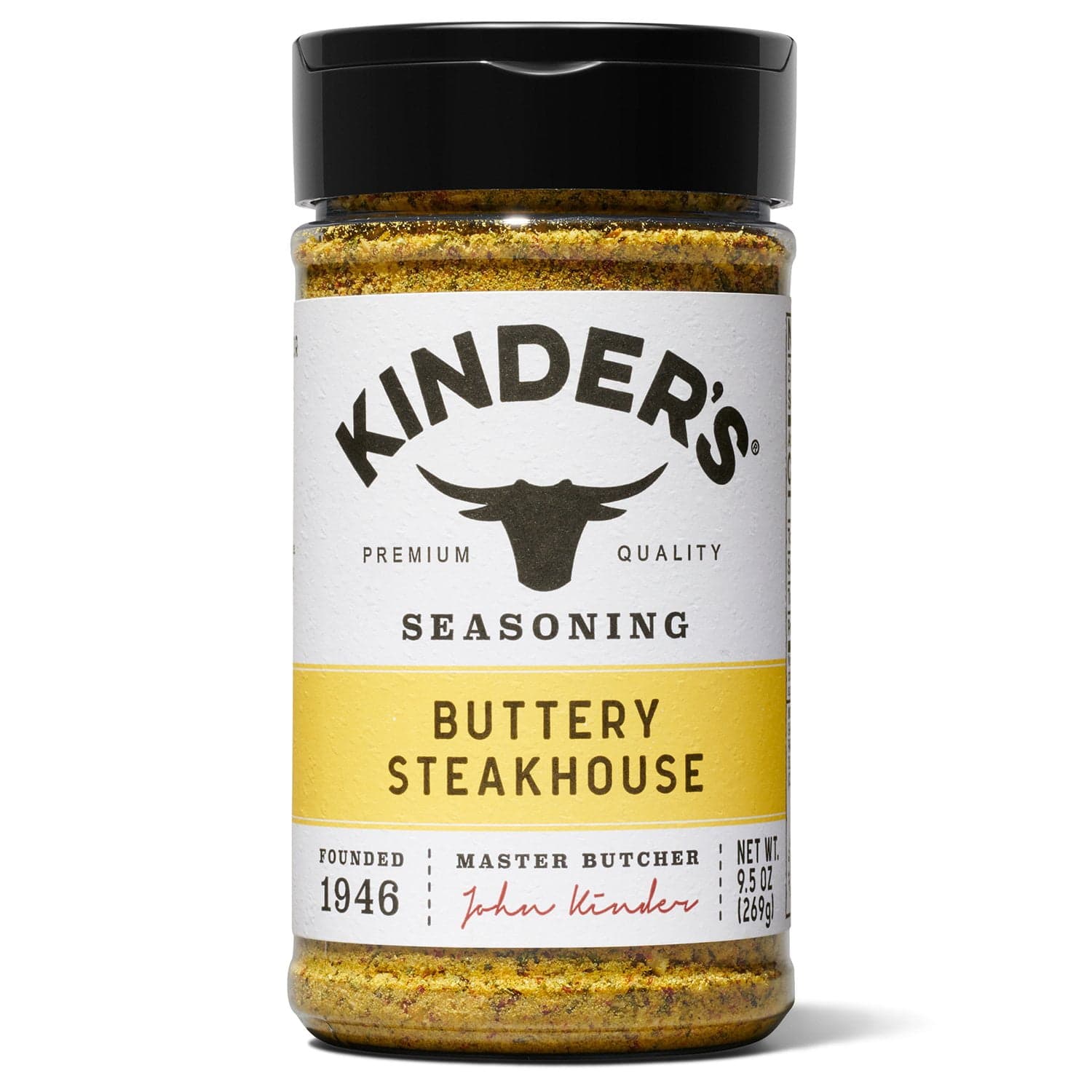
Kinder's Buttery Steakhouse Seasoning is the blend that built the brand's reputation. It combines coarse sea salt, black pepper, roasted garlic, and a natural butter flavor that caramelizes beautifully under high heat. The result is a thick, golden crust that tastes like you basted your steak in clarified butter—even if you didn't.
This is the seasoning to reach for when you're cooking ribeyes, New York strips, or T-bones. It loves fat. The butter notes amplify marbling, and the garlic provides just enough aromatic punch to complement (not compete with) the beef.
Apply it generously about 30 minutes before grilling. The salt will start drawing moisture to the surface, which then reabsorbs along with the seasoning, creating deeper penetration. For a standard one-inch ribeye, use roughly one tablespoon per side. Don't be shy—this blend is designed for thick application.
Whiskey Peppercorn: For Bold Palates
Kinder's Whiskey Peppercorn Seasoning takes a more aggressive approach. Cracked black pepper dominates the profile, backed by smoky whiskey notes and a hint of sweetness that balances the heat. If you love a classic steak au poivre but don't want to make pan sauce, this is your shortcut.
Best on leaner cuts like sirloin or flank steak, where the bold pepper and whiskey notes won't be overshadowed by heavy marbling. It's also excellent on grilled pork chops and seared duck breast.
Use a slightly lighter hand than with Buttery Steakhouse—about two teaspoons per side for a standard steak. The pepper can go from pleasantly spicy to aggressively hot if over-applied, especially if you're cooking over charcoal where the pepper oils intensify.
The Blend: Simplicity Done Right
Sometimes you want to let the beef do the talking. Kinder's The Blend is pure fundamentals: salt, pepper, and garlic in perfect proportion. No butter flavors, no sweetness, no distractions. Just the holy trinity of steak seasoning executed flawlessly.
This is your go-to for prime or dry-aged beef, where you've spent serious money on the meat and want the seasoning to play support, not soloist. It's also ideal for reverse-searing thick cuts, where you want clean flavors that won't scorch during the low-temperature roasting phase.
Apply it right before cooking or up to an hour ahead. Because there are no complex flavor compounds, timing matters less than with butter-based blends.
Best Kinder's Seasoning for Chicken
Chicken is a blank canvas, which makes seasoning choice critical. The wrong blend leaves you with dry, boring chicken. The right one transforms a basic breast into something you'd order at a restaurant.
Garlic Butter & Herb: The Weeknight Hero
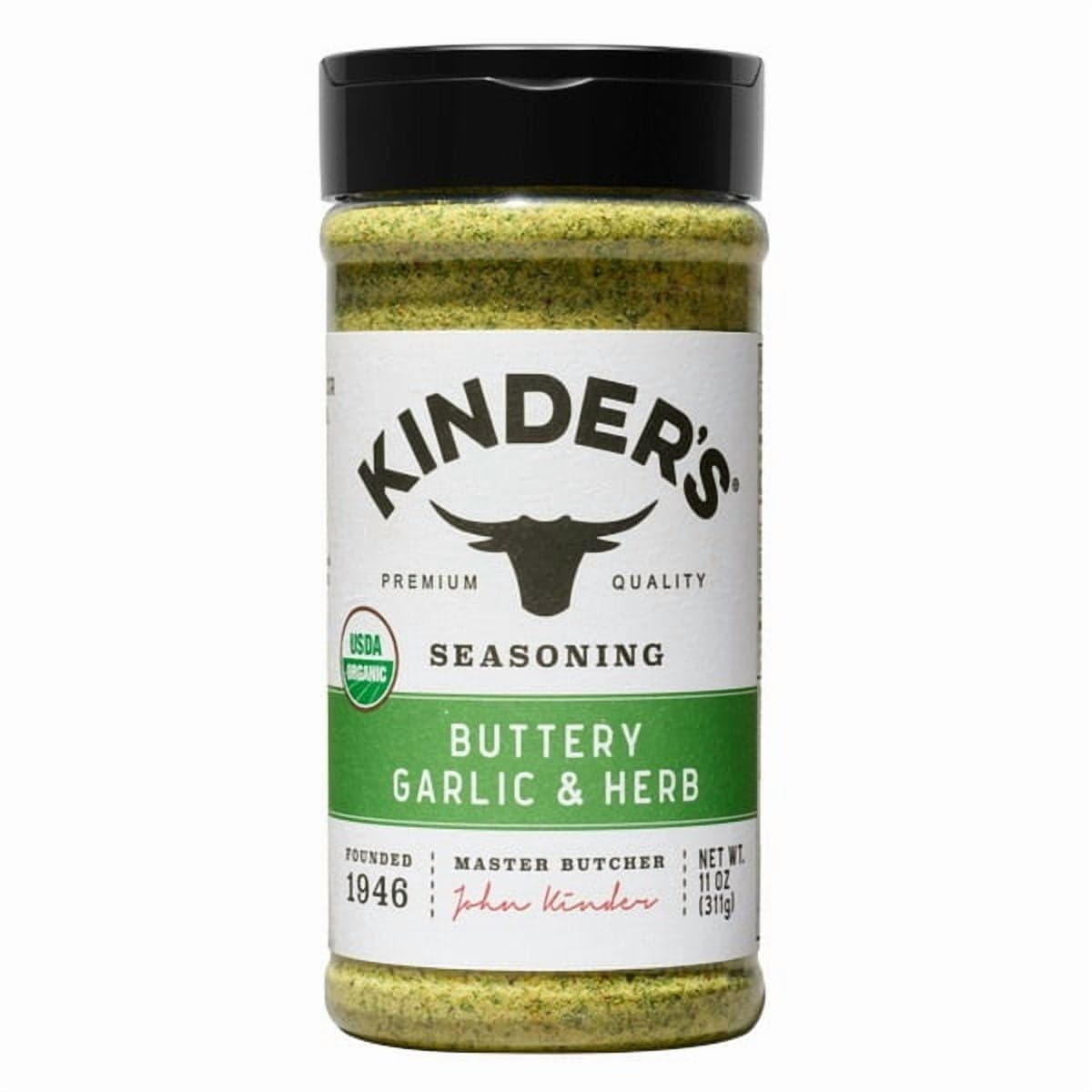
For rotisserie-style chicken at home, Kinder's Buttery Garlic and Herb Seasoning is unbeatable. It packs roasted garlic, parsley, thyme, and butter flavoring into one jar, essentially giving you compound butter in dry form.
This blend shines on bone-in, skin-on chicken thighs and whole roasted chickens. The fat in the skin gives the butter notes something to meld with, and the herbs perfume the meat as it cooks. For crispy skin, pat the chicken dry, apply the seasoning under and over the skin, then let it sit uncovered in the fridge for at least two hours (overnight is better). The salt will dry-brine the meat while the seasonings penetrate.
Roast at 425°F until the skin is mahogany and crackly. The garlic and herbs will fill your kitchen with the kind of aroma that makes everyone ask what's for dinner.
Lemon Butter Dill: The Fresh Alternative
When you want something lighter and brighter, Kinder's Lemon Butter Dill Seasoning delivers. The citrus and dill cut through chicken's richness without weighing it down, making this the best choice for grilled chicken breasts or baked chicken tenders.
The lemon is forward but not sour—it reads more like preserved lemon than fresh juice, which means it caramelizes instead of turning bitter under heat. The dill adds an herbaceous note that pairs beautifully with spring and summer vegetables.
Use this on pounded-thin chicken breasts cooked hot and fast, either on a grill or in a screaming-hot cast iron pan. The goal is a quick sear that locks in moisture while building a lemony crust. Serve it sliced over salad, tucked into pita with tzatziki, or alongside roasted asparagus.
Grilled Chicken: The Everyday Workhorse
Kinder's Grilled Chicken Seasoning is their most straightforward poultry blend, combining paprika, garlic, onion, and black pepper in a balanced formula that works across all chicken cuts and cooking methods. It's not flashy, but it's reliable—the seasoning equivalent of a well-made white T-shirt.
Reach for this when you're meal-prepping grilled chicken breasts for the week, seasoning wings before tossing them in sauce, or making chicken fajitas. It provides a solid flavor base without pushing you into any particular cuisine, which makes it perfect for dishes where the chicken needs to play nice with other bold flavors.
Best Kinder's Seasoning for Burgers
Burger seasoning is a surprisingly contentious topic. Some pitmasters insist on salt and pepper only. Others want layers of savory complexity. Kinder's offers options for both camps.
Butcher's Burger Blend: The Game-Changer
If you've never seasoned a burger with anything beyond salt and pepper, start here. Kinder's Butcher's Burger Blend combines garlic, onion, black pepper, and a touch of sweetness that caramelizes into a deep, savory crust. It tastes like the burger patty absorbed all the best parts of grilled onions and garlic butter.
The key is application method. Don't mix the seasoning into the meat—that leads to a dense, sausage-like texture. Instead, form your patties gently (80/20 ground chuck is ideal), then coat the outside surfaces heavily with seasoning right before they hit the grill or cast iron.
Press the patties down once in the first 30 seconds to maximize contact with the cooking surface, then leave them alone. You want a thick crust that's almost blackened in spots. That's where the magic happens—the sugars caramelize, the garlic toasts, and the pepper chars just enough to add smoky heat.
Caramelized Onion Burger Rub: For Elevated Burgers
When you're making smash burgers or diner-style patties, the Caramelized Onion Burger Rub brings a deeper, sweeter profile. Dried caramelized onions provide umami depth, while garlic and black pepper keep things savory. The sweetness is restrained—just enough to enhance browning without tasting dessert-like.
This blend is ideal for thinner patties cooked on a flat-top or in a cast iron pan, where maximum surface contact creates maximum crust. It's also excellent on turkey burgers, where the onion sweetness compensates for leaner meat.
Best Kinder's Seasoning for Vegetables
Vegetables are where Kinder's versatility really shines. These blends weren't designed specifically for produce, but they work beautifully on everything from roasted Brussels sprouts to grilled corn.
Garlic Parmesan: The Crowd-Pleaser
Kinder's Garlic Parmesan Seasoning is vegetable magic. The combination of roasted garlic, real Parmesan cheese, and herbs turns even the most boring vegetables into something people actually want to eat.
Toss Brussels sprouts, broccoli, or cauliflower with olive oil and a heavy coating of this seasoning, then roast at 425°F until deeply browned. The cheese will melt and crisp, the garlic will caramelize, and the vegetables will develop sweet, nutty flavors that convert even dedicated veggie-skeptics.
It's also phenomenal on roasted potatoes, grilled zucchini, and popcorn. Basically, if it can be roasted or grilled, Garlic Parmesan will make it better.
Woodfired Garlic: For Smoky Depth
When you want vegetables that taste like they came off a live-fire grill (even if they were roasted in your oven), Woodfired Garlic is the answer. Smoked garlic, roasted onion, and black pepper create a campfire-kissed flavor that pairs beautifully with grilled peppers, onions, mushrooms, and summer squash.
Use it as a finishing seasoning on grilled vegetable platters or as a pre-roast coating for root vegetables. The smoky notes intensify under high heat, so don't be afraid to let things char a bit.
Best Kinder's Seasoning for Ribs and Low-and-Slow BBQ
Low-and-slow barbecue demands seasonings that build layers of flavor over hours of cooking. Kinder's sweet-and-savory rubs excel here.
Hickory Brown Sugar: The Classic BBQ Rub
For traditional baby back ribs or St. Louis-style spareribs, Hickory Brown Sugar delivers the sweet, smoky profile most people expect from competition barbecue. Brown sugar provides caramelization and bark formation, while hickory smoke flavor mimics what you'd get from a wood-burning offset smoker.
Apply it in two stages: a base coat the night before (this dry-brines the meat and helps the rub adhere), then a second, lighter coat right before the ribs go on the smoker. The double application creates a thicker bark without over-salting.
Black Cherry Chipotle: For Sweet Heat
If you prefer ribs with a spicy kick, Black Cherry Chipotle balances fruity sweetness with smoky chipotle heat. The cherry notes bring a subtle tartness that cuts through pork fat, while the chipotle adds a warm, lingering burn.
This rub works best on pork ribs, pork shoulder, and beef brisket point (the fattier end). The sweetness needs fat to balance it—use it on lean cuts and it can taste cloying.
How to Get the Most Flavor from Any Kinder's Seasoning
Technique matters as much as which seasoning you choose. Here's how to maximize every blend:
- Apply more than you think you need. Kinder's blends are designed for generous application. A light dusting won't deliver the flavor complexity they're built for. For steaks and chops, aim for a visible coating on all surfaces.
- Let it sit. For proteins, apply seasoning 30 minutes to 24 hours before cooking. This allows salt to penetrate and other flavors to bloom. Vegetables can be seasoned right before cooking.
- Use high heat when possible. Most Kinder's blends contain sugars or butter flavors that caramelize beautifully under high heat. Grill over direct flame, sear in cast iron, or roast at 400°F or above to develop the best crust and flavor.
- Layer your seasoning. For complex dishes, use Kinder's as a base layer, then finish with fresh herbs, citrus, or flaky salt. The seasoning provides depth; the fresh elements add brightness and contrast.
- Store properly. Keep jars tightly sealed in a cool, dark place. Exposure to heat and light degrades flavor compounds, especially in blends with herbs and butter flavoring.
Building Your Kinder's Seasoning Starter Kit
If you're new to Kinder's and want to cover the most ground with the fewest jars, here's the three-bottle starter kit:
- Buttery Steakhouse – Covers all red meat, from steaks to burgers to pork chops, plus roasted potatoes and grilled vegetables.
- Buttery Garlic and Herb – Handles all poultry, from weeknight chicken breasts to Thanksgiving turkey, plus compound butter applications and pasta finishes.
- The Blend – Your clean-flavor base for everything else, from eggs to popcorn to simple grilled fish.
With those three, you can cook confidently for months before needing to expand. As your confidence grows, add specialists like Whiskey Peppercorn for date-night steaks or Garlic Parmesan for vegetable sides that actually get eaten.
Common Kinder's Seasoning Mistakes (and How to Avoid Them)
Even great seasonings can disappoint if you misuse them. Here are the most common pitfalls:
Mistake #1: Mixing seasoning into ground meat. This works for meatballs and meatloaf, but for burgers and meatballs you want a crust on, season the outside only. Mixing it in creates a denser texture and prevents proper browning.
Mistake #2: Using butter-flavored blends on delicate fish. Blends like Buttery Steakhouse overpower mild fish like tilapia or sole. Save them for salmon, swordfish, and tuna, which can stand up to bold flavors. For lighter fish, stick with Lemon Butter Dill or The Blend.
Mistake #3: Seasoning cold meat right before cooking. Cold proteins don't hold seasoning well—it tends to fall off during cooking. Let meat come to room temperature, pat it dry, then apply seasoning. The slightly tacky surface will grip the blend better.
Mistake #4: Assuming all Kinder's seasonings are interchangeable. They're not. Each blend has a specific flavor architecture. Hickory Brown Sugar on chicken breasts tastes weird. Lemon Butter Dill on ribs doesn't work. Match the seasoning to the protein and cooking method.
Final Thoughts: Choosing the Best Kinder's Seasoning for Your Kitchen
The "best" Kinder's seasoning depends entirely on what you cook most often. If you're a steak-and-potatoes household, Buttery Steakhouse is your MVP. If you grill chicken three times a week, Buttery Garlic and Herb will change your weeknights. If you rotate between proteins and want maximum versatility, The Blend won't let you down.
The beauty of Kinder's is that you don't need to guess. Their blends are clearly labeled, generously sized, and reliable enough that you can buy with confidence. Start with one that matches your primary cooking style, learn how it behaves under heat, then expand from there.
Your spice cabinet doesn't need two dozen jars. But it definitely needs two or three great ones that you'll actually use. Kinder's makes that easy.
Ready to upgrade your seasoning game? Browse our full collection of Kinder's blends and find the ones that match your cooking style. Every jar ships fast, and if you're not completely satisfied, we'll make it right. No fluff, no filler—just bold flavor that works.
Shop the products mentioned in this article
Free shipping on every order. No minimums, no gimmicks.