Best Kinder's Seasoning for Steak: 7 Blends Ranked by Flavor
Not all Kinder's seasonings are created equal when it comes to steak. We ranked seven top blends for ribeye, sirloin, and strip steaks to help you choose the right one.
Choosing the right seasoning can turn a good steak into an unforgettable one. Kinder's offers more than a dozen seasoning blends, but only a handful are truly optimized for beef. Whether you're reverse-searing a thick ribeye, grilling sirloin over charcoal, or pan-searing a weeknight strip steak, the seasoning you reach for matters more than you think.
This guide ranks the seven best Kinder's seasonings for steak based on flavor profile, salt balance, versatility across cuts, and real-world grilling performance. We'll cover what makes each blend work, which cuts pair best, and when to skip certain options entirely.
What Makes a Great Steak Seasoning
Before diving into specific Kinder's blends, it's worth understanding what separates a standout steak seasoning from a mediocre one.
First, salt content and grind size matter. Coarser salts create better crust formation during high-heat cooking, while finer grinds distribute more evenly but can over-season thin cuts. The best steak seasonings strike a balance or offer enough texture to build a proper char without turning the surface bitter.
Second, complementary flavors should enhance beef's natural richness without masking it. Garlic, black pepper, onion, and umami-rich ingredients like dried mushroom or soy derivatives amplify the savory depth of steak. Sweetness from brown sugar or caramelized onion can balance char bitterness, but too much turns a steak rub into BBQ territory.
Third, versatility across cuts and cooking methods is a bonus. A truly great steak seasoning works equally well on a marbled ribeye, a leaner sirloin, and a thick filet. It should perform whether you're grilling over direct heat, reverse-searing in the oven, or finishing in cast iron.
With those criteria in mind, here are the seven best Kinder's seasonings for steak, ranked from good to exceptional.
7. Kinder's Hickory Brown Sugar
This blend sits at the bottom of the steak ranking—not because it's bad, but because it's better suited for pork, chicken, and low-and-slow BBQ. The brown sugar content is high enough to create excellent bark on ribs or pulled pork, but it can caramelize too aggressively on steak cooked over high heat, especially cuts with less fat to buffer the sweetness.
That said, if you love a Kansas City-style BBQ flavor on your steak or you're grilling thinner cuts like flank or skirt that benefit from a quick sear and a touch of sweetness, Hickory Brown Sugar can work. Just don't expect the clean, beefy crust you'd get from a more savory blend.
Best for: Flank steak, skirt steak, or anyone who likes a sweet, smoky BBQ profile on beef.
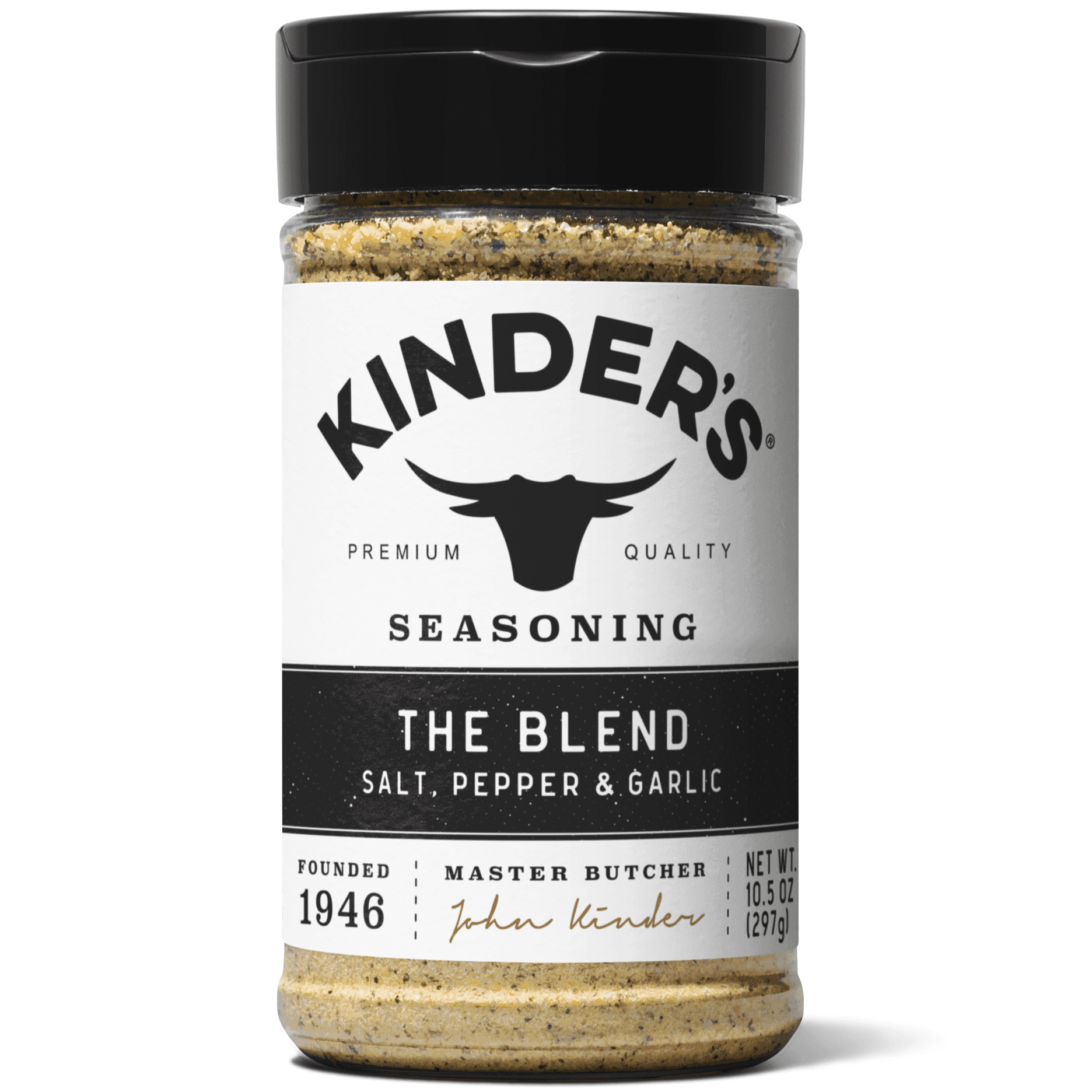
6. Kinder's The Blend (Salt, Pepper, Garlic)
Kinder's The Blend is the brand's answer to an all-purpose seasoning, and it's a solid choice if you want simplicity. The formula is straightforward: sea salt, black pepper, and garlic. It won't blow your mind, but it won't ruin a good steak either.
The Blend works best on high-quality cuts where you want the beef to be the star. Think dry-aged ribeye, grass-fed New York strip, or a bone-in porterhouse. The seasoning provides just enough enhancement without competing with the meat's natural flavor.
The downside? It lacks the complexity and umami depth that make other Kinder's blends more craveable. If you're cooking a standard supermarket ribeye or a budget sirloin, you'll get better results from a more robust seasoning that brings additional layers of flavor.
Best for: High-quality, well-marbled steaks where you want a clean, classic steakhouse profile.
5. Kinder's Whiskey Peppercorn
Whiskey Peppercorn brings a bold, spicy kick with a subtle sweetness that mimics the caramelized notes of a good bourbon. The peppercorn blend is more aggressive than The Blend, making it ideal for people who like their steak with serious black pepper heat.
This seasoning shines on fattier cuts like ribeye or short rib, where the richness of the beef can stand up to the assertive pepper and the slight whiskey sweetness doesn't feel out of place. It's less successful on leaner cuts like sirloin or filet, where the spice can overpower the more delicate beef flavor.
Whiskey Peppercorn is also a strong performer in a cast-iron pan. The sugars caramelize beautifully during a hard sear, creating a dark, flavorful crust that pairs well with butter basting. If you're a fan of steak au poivre or peppercorn-crusted beef, this is your best Kinder's option.
Best for: Ribeye, short rib, or anyone who loves bold black pepper heat and a touch of sweetness.
4. Kinder's Brazilian Steakhouse
Inspired by the churrascaria tradition, Brazilian Steakhouse leans heavily on coarse sea salt with a supporting cast of garlic, black pepper, and subtle herbs. It's designed to let the beef shine while providing just enough seasoning to enhance the char and crust.
This blend is especially effective on larger cuts meant for slicing and serving—think picanha, tri-tip, or whole ribeye roasts. The coarse grind creates excellent texture, and the relatively restrained seasoning profile makes it versatile across different levels of beef quality and marbling.
Brazilian Steakhouse is also forgiving. Because it's not as heavily spiced or sweet as some other blends, it's harder to over-season, and it works well with simple sides like chimichurri, grilled vegetables, or a crisp salad. If you're cooking for a crowd and want a no-fail option, this is a safe bet.
Best for: Picanha, tri-tip, whole roasts, or anyone who wants a straightforward, salt-forward seasoning that highlights the beef.
3. Kinder's Dry-Aged Steak Seasoning
Dry-Aged Steak Seasoning is formulated to mimic the deep, funky, umami-rich flavors that develop during the dry-aging process. It includes sea salt, garlic, black pepper, and a blend of savory ingredients that amplify the beefiness of any cut, aged or not.
This seasoning is a game-changer for supermarket steaks. If you're working with a standard Choice-grade ribeye or sirloin that hasn't been aged, Dry-Aged Steak Seasoning adds a layer of complexity that makes the beef taste more expensive than it is. It's also excellent on leaner cuts like top sirloin or strip steak, where extra umami helps compensate for lower fat content.
The one caveat: if you're cooking an actually dry-aged steak, this seasoning can feel redundant. The flavors it adds are already present in the meat, so you might prefer a simpler blend like The Blend or Brazilian Steakhouse to avoid over-seasoning.
Best for: Standard supermarket steaks, leaner cuts, or anyone who wants to add dry-aged flavor without the dry-aged price tag.
2. Kinder's Prime Steak Black Garlic & Truffle
If you want to impress guests or elevate a special-occasion steak, Kinder's Prime Steak Black Garlic & Truffle is the most upscale option in the lineup. The black garlic adds a sweet, fermented umami depth, while the truffle brings an earthy, luxurious aroma that makes every bite feel like a steakhouse splurge.
This seasoning works best on high-quality cuts with plenty of marbling—ribeye, strip steak, and filet mignon are ideal. The truffle flavor can be polarizing, so if you're not a fan of truffle oil or truffle-forward dishes, this blend might feel too assertive. But for those who love it, it's a showstopper.
Prime Steak Black Garlic & Truffle also performs exceptionally well with butter basting. Finish your steak in a pan with butter, fresh thyme, and a clove of garlic, and the truffle notes intensify into something truly restaurant-quality. It's rich, bold, and unapologetically indulgent.
Best for: Special-occasion steaks, high-marbling cuts, or anyone who loves truffle and black garlic flavors.
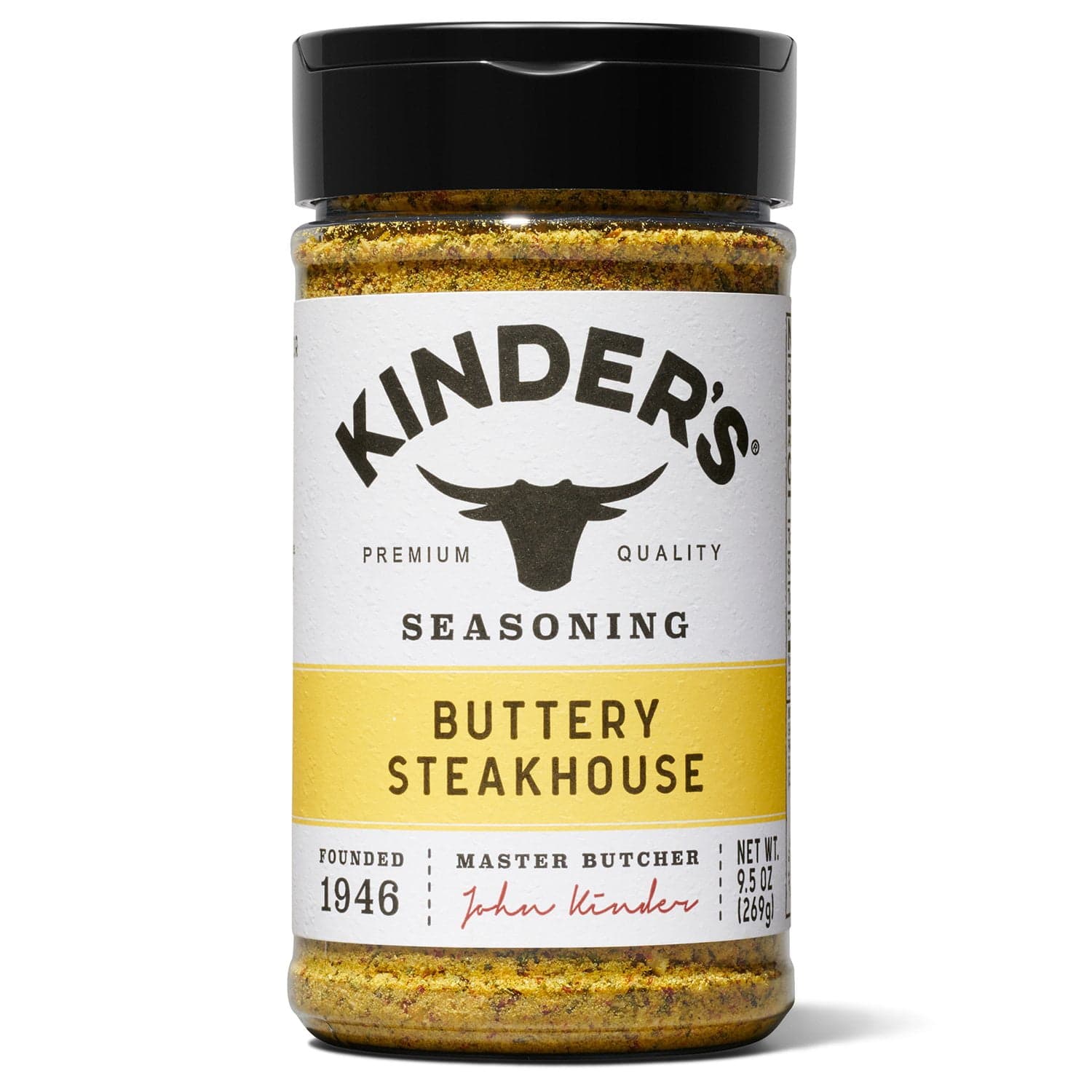
1. Kinder's Buttery Steakhouse Seasoning
After testing every steak-focused blend in the Kinder's lineup, Kinder's Buttery Steakhouse Seasoning consistently delivers the best overall results. It strikes the perfect balance between savory, salty, and rich, with a buttery finish that enhances the natural flavor of beef without overwhelming it.
The secret is in the formula. Buttery Steakhouse combines sea salt, garlic, black pepper, and a proprietary blend of butter powder and savory seasonings that caramelize beautifully during high-heat cooking. The result is a deeply flavorful crust with a luxurious, almost silky finish that mimics the effect of basting with real butter.
This seasoning is the most versatile in the entire Kinder's catalog. It works on every cut—from marbled ribeye to lean sirloin to thick filet mignon—and it performs equally well whether you're grilling, pan-searing, or reverse-searing. It's also forgiving enough for beginners but complex enough to satisfy experienced cooks.
Buttery Steakhouse is especially effective on thicker cuts where you want a substantial crust. The butter powder helps with browning and adds richness without making the steak feel greasy. It's the closest thing to a universal steak seasoning that Kinder's makes, and it's the one we reach for most often.
Best for: Every steak cut, every cooking method, and every skill level. This is the one to buy if you're only buying one.
How to Season Steak Like a Pro
Having the right seasoning is only half the battle. How you apply it and when you cook the steak matters just as much. Here are the key principles for getting the most out of any Kinder's steak seasoning.
Timing: When to Season
For thin steaks (under 1 inch), season immediately before cooking. The salt won't have time to draw out much moisture, and you'll get a flavorful crust without drying out the meat.
For thick steaks (1.5 inches or more), season at least 40 minutes before cooking, or up to 24 hours in advance if you're dry-brining. The salt will initially draw moisture to the surface, then that moisture will be reabsorbed along with the seasoning, resulting in more evenly flavored and better-textured meat.
Amount: How Much Seasoning to Use
A good rule of thumb is about 1 teaspoon of seasoning per pound of steak. Kinder's blends are well-salted, so you don't need to go heavy-handed. Season from a height (about 12 inches above the steak) to ensure even distribution, and don't be afraid to season the sides of thicker cuts, not just the top and bottom.
Temperature: Bring Steak to Room Temp
Let your seasoned steak sit at room temperature for 30–60 minutes before cooking. This ensures more even cooking from edge to center and better crust formation. A cold steak straight from the fridge will contract when it hits the heat, leading to uneven texture and a less developed sear.
Heat: Get Your Pan or Grill Screaming Hot
Whether you're using a grill or a cast-iron skillet, preheat until it's almost smoking. High heat is essential for crust development and for caramelizing the sugars and seasonings in Kinder's blends. Don't crowd the pan, and resist the urge to move the steak around—let it sit undisturbed for at least 3–4 minutes per side to build a proper sear.
Pairing Kinder's Seasonings with Steak Cuts
Different cuts have different fat content, texture, and flavor intensity, which means some seasonings pair better with certain steaks than others. Here's a quick reference guide.
- Ribeye: Buttery Steakhouse, Prime Steak Black Garlic & Truffle, or Whiskey Peppercorn. The high fat content can handle bold, rich flavors.
- New York Strip: Buttery Steakhouse, Dry-Aged Steak, or Brazilian Steakhouse. These blends enhance the beefy flavor without overpowering the leaner profile.
- Filet Mignon: Prime Steak Black Garlic & Truffle or Buttery Steakhouse. The tender, mild flavor benefits from seasonings that add complexity.
- Sirloin: Dry-Aged Steak or Buttery Steakhouse. These blends add umami and richness to a leaner, less expensive cut.
- Flank or Skirt: Hickory Brown Sugar or Brazilian Steakhouse. Quick-cooking cuts benefit from a touch of sweetness or a bold salt-forward profile.
- Picanha or Tri-Tip: Brazilian Steakhouse or Buttery Steakhouse. These cuts are traditionally seasoned simply, so let the beef shine.
Beyond Steak: Other Uses for These Seasonings
While these seven Kinder's blends excel on steak, they're versatile enough to handle a variety of other proteins and vegetables. Here are a few ideas to get more mileage out of each bottle.
Buttery Steakhouse: Try it on roasted potatoes, grilled corn, sautéed mushrooms, or even popcorn. The buttery richness works on just about anything savory.
Whiskey Peppercorn: Excellent on pork chops, roasted Brussels sprouts, or thick-cut bacon. The pepper heat and subtle sweetness complement a wide range of ingredients.
Dry-Aged Steak: Use it as a dry brine for whole roasted chicken or turkey, or sprinkle it on roasted root vegetables for extra umami depth.
Prime Steak Black Garlic & Truffle: Toss it with fresh pasta, mashed potatoes, or roasted cauliflower. The truffle flavor shines in creamy, rich applications.
Brazilian Steakhouse: Season grilled chicken, pork loin, or even grilled shrimp. The coarse salt and garlic work well on almost any protein.
Common Mistakes When Seasoning Steak
Even with a great seasoning like Kinder's Buttery Steakhouse, you can still end up with a disappointing steak if you make one of these common mistakes.
Over-Seasoning Thin Cuts
Thin steaks have more surface area relative to their weight, so they need less seasoning than thick cuts. If you season a thin sirloin or flank steak as heavily as a 2-inch ribeye, you'll end up with an overly salty result. Scale back and season lightly, or choose a blend with a coarser grind that won't over-distribute.
Skipping the Rest Period
After cooking, let your steak rest for at least 5–10 minutes before slicing. This allows the juices to redistribute throughout the meat, resulting in a more tender, flavorful bite. Cutting too early means all those juices (and dissolved seasoning) end up on the cutting board instead of in the steak.
Using Low Heat
A weak sear means you're not getting the full benefit of your seasoning. The Maillard reaction—the chemical process that creates that delicious browned crust—requires high heat. If your pan or grill isn't hot enough, the seasoning will just sit on the surface instead of caramelizing into a flavorful crust.
Not Tasting and Adjusting
Kinder's seasonings are well-balanced, but everyone's palate is different. If you're trying a new blend for the first time, cook one steak, taste it, and adjust the amount of seasoning on subsequent steaks if needed. It's easier to add more next time than to fix an over-seasoned steak.
Where to Buy and How to Store
All of the Kinder's seasonings mentioned in this guide are available online, including right here at Num Num Kosmos. Buying in larger bottles is more economical if you cook steak regularly, and Kinder's blends have a shelf life of at least a year when stored properly.
Store your seasonings in a cool, dry place away from direct sunlight and heat. Avoid keeping them near the stove, where steam and temperature fluctuations can cause clumping and flavor degradation. If a blend does clump, break it up with a fork or pulse it briefly in a spice grinder to restore the texture.
Final Verdict: The Best Kinder's Seasoning for Steak
If you're only going to buy one Kinder's seasoning for steak, make it Buttery Steakhouse. It's the most versatile, the most forgiving, and the most consistently delicious across every cut and cooking method. It's the seasoning we recommend to beginners and the one experienced grillers keep coming back to.
If you want to build a more complete collection, add Prime Steak Black Garlic & Truffle for special occasions and Brazilian Steakhouse for simple, salt-forward applications. Between those three, you'll have every steak scenario covered.
Ready to upgrade your steak game? Grab a bottle of Buttery Steakhouse, fire up the grill, and taste the difference a truly great seasoning makes. Your next ribeye will thank you.
Shop the products mentioned in this article
Free shipping on every order. No minimums, no gimmicks.