How to Make Japanese Mochi at Home: Techniques from a Pro Chef
A viral Reddit post showing restaurant-quality Japanese mochi has home cooks wondering: can you make it yourself? We break down the techniques, tools, and sweet-savory crossover ideas.
A professional chef's cross-section photos of handmade Japanese mame-daifuku recently went viral on Reddit, racking up thousands of upvotes and comments from home cooks mesmerized by the perfect layers of soft mochi wrapped around sweet bean paste and whole beans. The post sparked a wave of interest in making mochi at home—and for good reason. Japanese mochi is one of those deceptively simple foods that demands technique, timing, and a bit of courage to master.
If you've ever wondered whether you can recreate restaurant-quality mochi in your own kitchen, the answer is yes. But it takes understanding the fundamentals, the right ingredients, and—surprisingly—some of the same precision mindset you'd bring to grilling a perfect steak or nailing a viral TikTok recipe. In this guide, we'll walk through what mochi is, how professional chefs make it, and how you can adapt those techniques at home. We'll also explore the exciting crossover between Japanese sweets and savory cooking, including ways to use your favorite Asian-inspired seasonings and sauces in mochi-adjacent dishes.
What Is Mochi? A Quick Primer on Japan's Most Famous Confection
Mochi is a Japanese rice cake made from mochigome, a short-grain glutinous rice that becomes incredibly sticky when steamed and pounded. The result is a chewy, elastic dough with a neutral, slightly sweet flavor that serves as a canvas for endless fillings and toppings.
Traditionally, mochi is made by steaming the rice, then pounding it with massive wooden mallets in a process called mochitsuki. Today, most home cooks and even many professionals use sweet rice flour (also called mochiko or shiratamako) mixed with water and sugar, then steamed or microwaved to achieve a similar texture in a fraction of the time.
Daifuku is a specific style of mochi: a soft, pillowy outer layer wrapped around a filling, most commonly anko (sweet red bean paste). Mame-daifuku takes it one step further by embedding whole cooked beans—often azuki or edamame—into the dough or filling for textural contrast. It's a refined, elegant dessert that showcases the balance and restraint central to Japanese pastry-making.
Why the Reddit Post Went Viral: The Art of the Cross-Section
The post that kicked off this conversation featured immaculate cross-sections of mame-daifuku made for the Four Seasons. Each piece revealed layers: the translucent, glossy mochi skin, the smooth anko center, and the jewel-like whole beans suspended inside. The presentation was Instagram-worthy, but what really captured people's attention was the precision. Every mochi was uniform in size, perfectly sealed, and flawlessly shaped.
Food cross-sections have become a major trend on Reddit and TikTok because they reveal technique. A great burger cross-section shows you how the patty was seared, how the cheese melted, and whether the bun held up. A mochi cross-section tells you whether the dough was overworked, whether the filling ratio is balanced, and whether the chef has mastered the delicate art of wrapping without tearing.
For home cooks who love a challenge—the same people who dial in their grill temps for the perfect ribeye or chase down viral recipes—mochi represents an exciting frontier. It's not grilling, but it demands the same attention to detail, timing, and willingness to fail a few times before you nail it.
The Basic Technique: How to Make Mochi at Home
Making mochi from scratch is more approachable than you think, especially if you use the microwave or stovetop method with sweet rice flour. Here's the essential process.
Ingredients You'll Need
- Sweet rice flour (mochiko): The foundation. Brands like Koda Farms or Shirakiku are widely available at Asian grocery stores and online.
- Granulated sugar: Usually between 1/4 and 1/2 cup per cup of flour, depending on how sweet you want the dough.
- Water: About 3/4 to 1 cup per cup of flour. The exact ratio varies by brand and humidity.
- Cornstarch or potato starch: For dusting. Mochi is incredibly sticky; you'll need a generous layer of starch on every surface.
- Filling: Anko (red bean paste), ice cream, fruit, or even savory options like seasoned ground meat or cheese.
Step-by-Step Process
Step 1: Mix the dough. In a microwave-safe bowl, whisk together sweet rice flour, sugar, and water until smooth. The mixture will be thin and milky.
Step 2: Steam or microwave. Cover the bowl with plastic wrap and microwave on high for 1 minute. Stir, then microwave in 30-second intervals, stirring between each, until the dough is translucent and stretchy—usually 2 to 3 minutes total. Alternatively, steam the mixture in a heatproof dish for 20 to 25 minutes.
Step 3: Cool and dust. Turn the hot dough out onto a surface heavily dusted with cornstarch. Let it cool until you can handle it comfortably. Dust your hands and a rolling pin (or your palms) with more starch.
Step 4: Portion and flatten. Divide the dough into equal pieces—about 8 to 12, depending on the size you want. Flatten each piece into a disc, keeping the center slightly thicker than the edges.
Step 5: Fill and seal. Place a spoonful of filling in the center of each disc. Gather the edges up and around the filling, pinching to seal. Flip the mochi seam-side down and gently roll it between your palms to smooth the surface.
Step 6: Serve. Mochi is best eaten the day it's made, while the texture is soft and pliable. Store any leftovers in an airtight container at room temperature for up to 24 hours; refrigeration makes mochi hard and unpleasant.
Pro Tips for Restaurant-Quality Results
After watching that Four Seasons mochi post, you might be wondering what separates home-cook mochi from professional-level daifuku. Here are the key differences.
Temperature Control
Mochi dough is easiest to work with when it's warm but not hot. If it cools too much, it becomes stiff and tears easily. If it's too hot, it's impossible to handle. Professionals often keep a warm, damp towel over the dough as they work, pulling off one piece at a time. At home, you can reheat the dough briefly in the microwave if it firms up.
Starch Management
Too little starch and the dough sticks to everything. Too much and the finished mochi looks dusty and dry. The trick is to dust generously while you work, then gently brush off the excess with a soft pastry brush once the mochi is sealed.
Uniform Portioning
Professional pastry chefs weigh every piece of dough and every portion of filling to ensure consistency. At home, a small digital scale makes a huge difference. Aim for about 30 to 40 grams of dough and 15 to 20 grams of filling per piece.
Sealing Technique
The seam is the weak point. Pinch it firmly, then flip the mochi seam-side down immediately. Rolling it gently between your palms helps the dough "heal" and creates a smooth, seamless surface. If you see cracks, dab a tiny bit of water on your fingertip and smooth them out.
Beyond Sweets: Savory Mochi Ideas for Adventurous Cooks
While mame-daifuku is a dessert, mochi itself is incredibly versatile. In Japan, mochi is grilled, fried, added to soups, and even stuffed with savory fillings. For home cooks who love bold flavors and experimentation, savory mochi opens up a world of possibilities that align perfectly with the grilling and sauce-forward cooking many of us already do.
Grilled Mochi (Yaki Mochi)
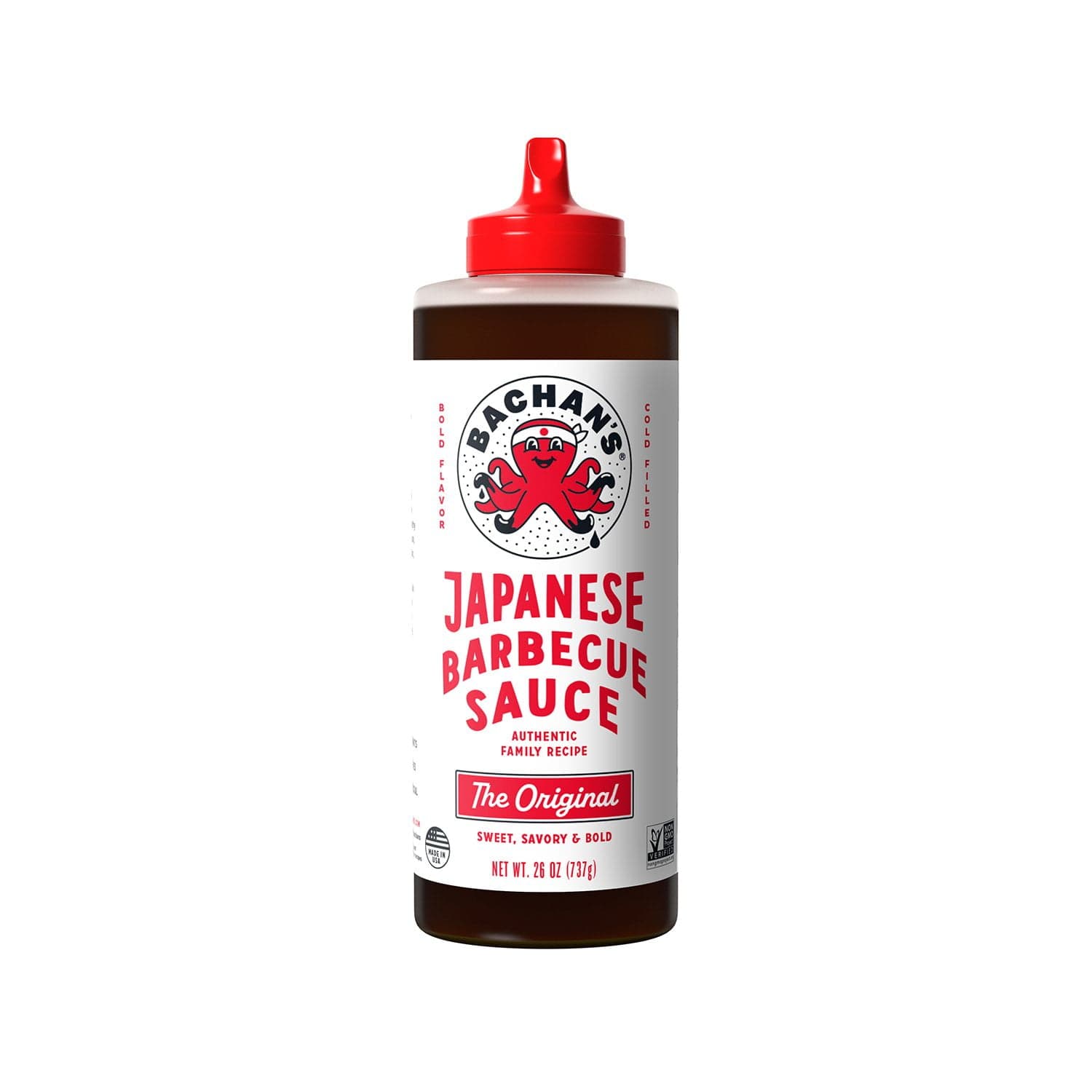
One of the simplest and most satisfying ways to enjoy mochi is to grill it. Cut plain mochi (the kind sold in vacuum-sealed blocks at Asian grocery stores) into slabs, brush with a little oil, and grill over medium-high heat until puffed and charred. The outside becomes crispy and caramelized while the inside stays gooey. Serve with a drizzle of soy sauce, a sprinkle of nori, or even a brush of Bachan's Original Japanese BBQ Sauce for a sweet-savory glaze that echoes yakitori flavors.
Mochi in Soup and Hot Pot
Mochi is a traditional addition to Japanese New Year's soup (ozoni) and hot pot dinners. It adds body and a satisfying chew to broths. You can also drop small pieces of fresh mochi dough into miso soup or ramen for a fun textural element.
Korean Tteokbokki-Style Mochi
Korean rice cakes (tteok) are cousins to Japanese mochi, and the wildly popular street food tteokbokki—chewy rice cakes in a spicy-sweet gochujang sauce—can easily be adapted with Japanese mochi. Simmer sliced mochi in a sauce made from gochujang, soy sauce, sugar, garlic, and a splash of water. For an extra kick, add a drizzle of chili oil or Momofuku Chili Crunch at the end. It's sticky, spicy, and deeply satisfying.
Mochi-Stuffed Dumplings or Buns
For a creative fusion project, try wrapping small pieces of grilled or pan-fried mochi in dumpling wrappers or steamed buns. The contrast between the crispy or fluffy outer layer and the stretchy mochi inside is addictive.
The Crossover Appeal: Why Mochi Resonates with Grill Masters and Sauce Lovers
At first glance, making delicate Japanese sweets might seem worlds away from firing up the grill for Korean BBQ or tossing wings in hot sauce. But the underlying principles are the same: respect for ingredients, precision in technique, and a willingness to chase perfection one iteration at a time.
Grilling teaches you to manage heat, timing, and texture. You learn that a steak seared too early won't crust properly, and that resting your meat is as important as cooking it. Mochi demands the same mindset. The dough needs the right hydration, the right temperature, and the right handling. Rush it, and it tears. Overwork it, and it toughens. Nail it, and you get something magical.
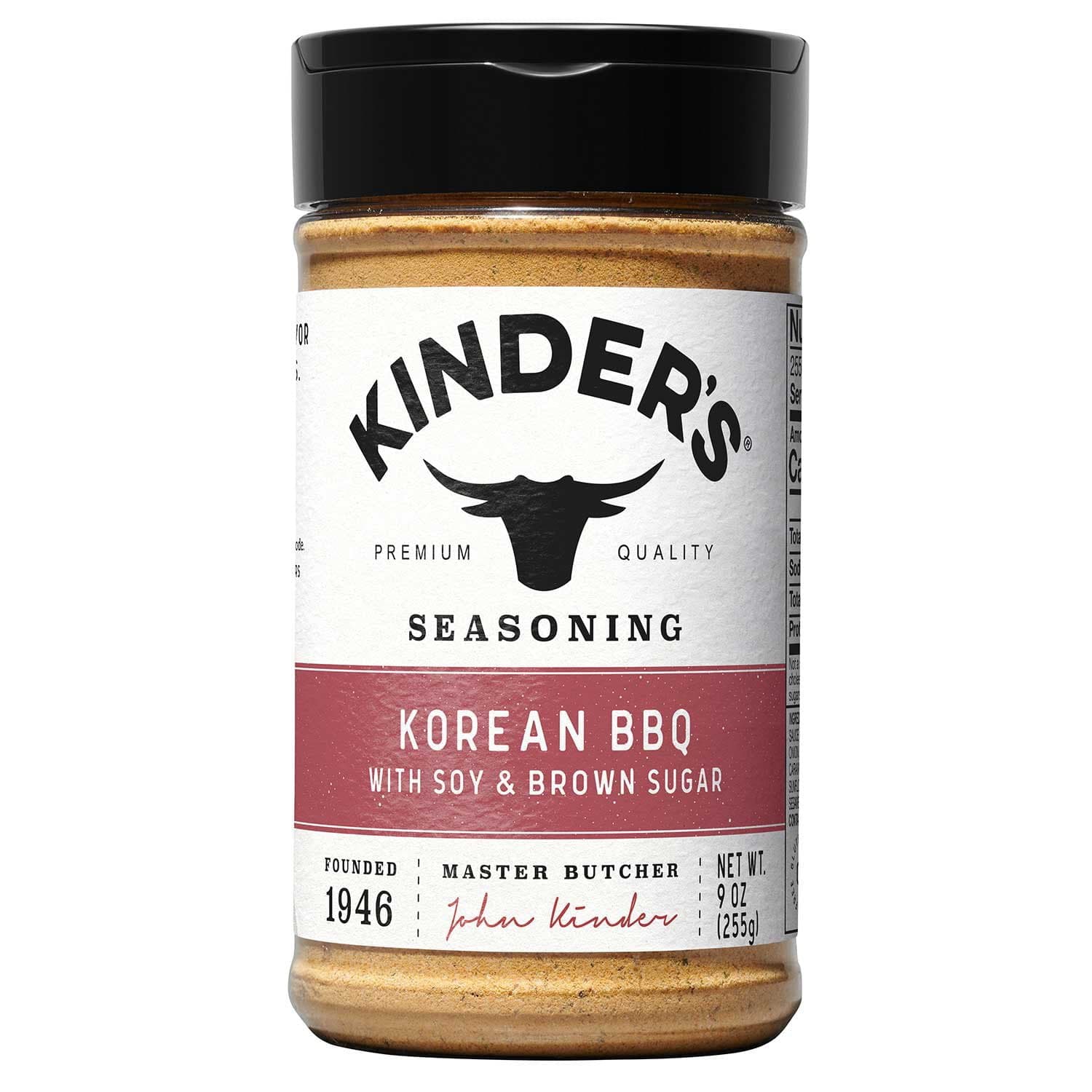
The viral success of Japanese recipes—whether it's Bachan's salmon rice bowls, okonomiyaki, or now mochi—shows that home cooks are hungry for techniques and flavors that go beyond the backyard BBQ basics. We want to explore, experiment, and bring restaurant-level skill into our kitchens. Mochi is a perfect next challenge for anyone who's already mastered their Kinder's Korean BBQ Seasoning on grilled short ribs or dialed in their teriyaki glaze.
Common Mistakes and How to Avoid Them
Even experienced cooks struggle with mochi the first few times. Here are the pitfalls to watch out for.
Undercooked Dough
If your mochi dough is chalky, grainy, or opaque, it's undercooked. Microwave or steam it a bit longer until it's fully translucent and glossy. Undercooked dough won't stretch properly and will tear when you try to wrap it.
Overworking the Dough
Mochi dough is delicate. Kneading or rolling it aggressively can make it dense and tough. Handle it gently, and work quickly while it's still warm.
Filling That's Too Wet
Wet fillings—like fresh fruit or loose custard—can make the mochi soggy or cause it to split. If you're using fresh fruit, pat it dry and consider coating it lightly in cornstarch. For custard or cream, freeze it into small portions first, then wrap it while frozen.
Skipping the Starch
Mochi sticks to everything. Dust your work surface, your hands, your tools, and the finished mochi liberally. You can always brush off the excess later.
Mochi Filling Ideas: Sweet, Savory, and Everything In Between
One of the joys of making mochi at home is experimenting with fillings. Here are some ideas to get you started.
Classic Sweet Fillings
- Red bean paste (anko)
- White bean paste (shiroan)
- Nutella or chocolate ganache
- Peanut butter or almond butter
- Matcha cream or black sesame paste
- Fresh strawberries (ichigo daifuku)
- Ice cream (mochi ice cream)
Savory Fillings
- Seasoned ground pork or chicken
- Cream cheese with scallions
- Spicy tuna or salmon
- Sautéed mushrooms with garlic
- Kimchi and cheese
- Miso-glazed eggplant
Mochi as a Gateway to Broader Japanese Cooking
Mastering mochi can be a stepping stone to exploring other Japanese techniques and flavors that pair beautifully with grilling and sauce-based cooking. Once you're comfortable working with glutinous rice flour and understanding the balance of sweet, savory, and umami, you'll find yourself more confident tackling recipes like okonomiyaki (savory Japanese pancakes), takoyaki (octopus balls), or even homemade gyoza wrappers.
Japanese cooking emphasizes balance, restraint, and respect for ingredients—principles that translate directly to how you might approach a perfectly grilled steak or a carefully crafted marinade. The same attention to detail that goes into a clean cross-section of daifuku is what separates a good grilled chicken thigh from a great one.
Tools and Ingredients: What You'll Need to Get Started
To make mochi at home, you don't need specialized equipment, but a few items will make the process smoother.
- Digital kitchen scale: For consistent portioning.
- Microwave-safe bowl or steamer: Depending on your preferred cooking method.
- Silicone spatula: Mochi dough is sticky; silicone helps you scrape it out cleanly.
- Cornstarch or potato starch: Lots of it.
- Pastry brush: For dusting off excess starch.
- Plastic wrap: To cover the dough while it steams and to prevent drying while you work.
Ingredient-wise, sweet rice flour is the only specialty item you truly need, and it's inexpensive and widely available. Everything else—sugar, water, starch—you likely already have.
From Reddit to Your Kitchen: Making the Leap
Viral food posts have a way of making us feel both inspired and intimidated. That Four Seasons mochi looks flawless because it was made by a professional with years of experience. But every expert was once a beginner, and mochi is forgiving enough to reward even your first attempt with something delicious, even if it's not perfectly uniform.
The key is to approach it the same way you'd approach any new cooking technique: with curiosity, patience, and a willingness to iterate. Your first batch might be lumpy or oddly shaped. Your second batch will be better. By the third, you'll have a feel for the dough and the confidence to experiment.
And remember, even imperfect mochi tastes great. The chewy, slightly sweet dough and rich filling are satisfying no matter what the cross-section looks like.
Why Mochi Fits Into a Modern, Flavor-Forward Kitchen
If your kitchen is already stocked with Momofuku Savory Seasoned Salt, multiple hot sauces, and a lineup of bold rubs and marinades, mochi might seem like an outlier. But it's not. Mochi is a blank canvas for flavor, and it thrives when paired with assertive, umami-rich ingredients.
Think of it this way: if you've ever wrapped a perfectly grilled piece of meat in a soft steamed bun, you already understand the appeal of a tender, neutral wrapper that lets the filling shine. Mochi does the same thing, but with a texture that's uniquely chewy and satisfying.
Try filling mochi with a spicy-sweet mixture inspired by Korean flavors—gochujang, sesame oil, and a pinch of sugar—or use leftover teriyaki chicken as a savory filling. Brush grilled mochi with your favorite BBQ sauce and serve it as a side dish at your next cookout. The possibilities are limited only by your imagination.
Final Thoughts: The Joy of Making Something Beautiful and Delicious
The viral Reddit post that inspired this guide isn't just about mochi—it's about the pride and satisfaction that come from making something with your own hands, from mastering a technique, and from creating food that's as beautiful as it is delicious. Whether you're a seasoned griller, a hot sauce collector, or someone who loves chasing down viral recipes, mochi offers a new challenge and a new way to connect with Japanese cuisine.
You don't need to work at the Four Seasons to make gorgeous, restaurant-quality mochi at home. You just need curiosity, a little patience, and a willingness to get your hands sticky. Start with a simple batch of sweet red bean daifuku. Once you've nailed the basics, experiment with bold fillings, grilled variations, and savory twists that bring your favorite flavors into the mix.
The cross-section might not be Instagram-perfect the first time. But it'll be yours, and it'll be delicious. And that's what great cooking is all about.
Ready to expand your culinary repertoire? Explore our collection of Japanese BBQ sauces, Korean-inspired seasonings, and bold condiments that'll take your cooking—from the grill to the stovetop—to the next level. Whether you're brushing teriyaki on grilled mochi or experimenting with fusion fillings, the right sauce makes all the difference.
Shop the products mentioned in this article
Free shipping on every order. No minimums, no gimmicks.