How to Pick the Right BBQ Sauce for Pulled Pork (2026 Guide)
Not all BBQ sauces work with pulled pork. Learn how to match sauce styles to cooking methods, cut through the sweetness, and build flavor layers that actually complement smoky pork.
Pulled pork is forgiving—it's hard to completely ruin meat you've smoked or slow-cooked for hours. But the sauce? That's where most backyard cooks either nail it or drown perfectly good pork in something too sweet, too thin, or completely wrong for the job. The right BBQ sauce doesn't mask your work; it amplifies the smoke, balances the fat, and gives every bite a reason to reach for another forkful.
This guide walks through how to pick BBQ sauce for pulled pork based on your cooking method, regional preferences, flavor goals, and what's actually in your pantry. No fluff, no sponsored sauce rankings—just the decision framework that helps you match sauce to pork every time.
Why Pulled Pork Needs a Different Sauce Strategy
Pulled pork is fattier, more tender, and has a larger surface area than sliced brisket or ribs. That means sauce clings differently, mixes into the shredded meat, and becomes part of the texture—not just a topping. A sauce that works beautifully brushed on a rib rack can turn pulled pork into a soggy, one-note mess.
The best pulled pork sauces do three things well: they cut through richness without being harsh, they add complexity the meat alone can't deliver, and they stay balanced when mixed in rather than drizzled on top. Thin, vinegar-forward sauces penetrate the shreds. Thick, molasses-heavy sauces coat and caramelize. Fruity or spicy sauces introduce contrast. Your job is to decide which role you want the sauce to play.
The Four BBQ Sauce Styles That Work Best with Pulled Pork
Regional BBQ sauce traditions exist for a reason—they evolved alongside specific cuts and cooking methods. Pulled pork plays well with most styles, but understanding the differences helps you choose with intent.
Vinegar-Based (Eastern North Carolina Style)
Thin, tangy, and built on distilled vinegar with red pepper flakes, salt, and sometimes a touch of sugar. This is the purist's choice—it cuts fat, adds brightness, and lets smoke and pork flavor dominate. Vinegar sauces work especially well when you're mixing the sauce directly into pulled pork rather than serving it on the side.
Use this style when your pork has a strong smoke ring, when you want a lighter finish, or when you're serving the meat on soft buns that can't handle a heavy, sticky sauce. It's also the best option for next-day leftovers because it doesn't make the meat gummy when reheated.
Tomato-Based (Kansas City Style)
Thick, sweet, tangy, and molasses-rich. This is the sauce most people picture when they think "BBQ." It clings to pulled pork, caramelizes beautifully if you finish the meat under a broiler or on a hot grill, and delivers that glossy, magazine-cover look.
Kansas City-style sauces are forgiving and crowd-pleasing, but they can overpower subtler smoke flavors. They're ideal for oven-roasted or slow-cooker pulled pork that needs a flavor boost, or when you're feeding a mixed crowd that includes kids or people new to BBQ.
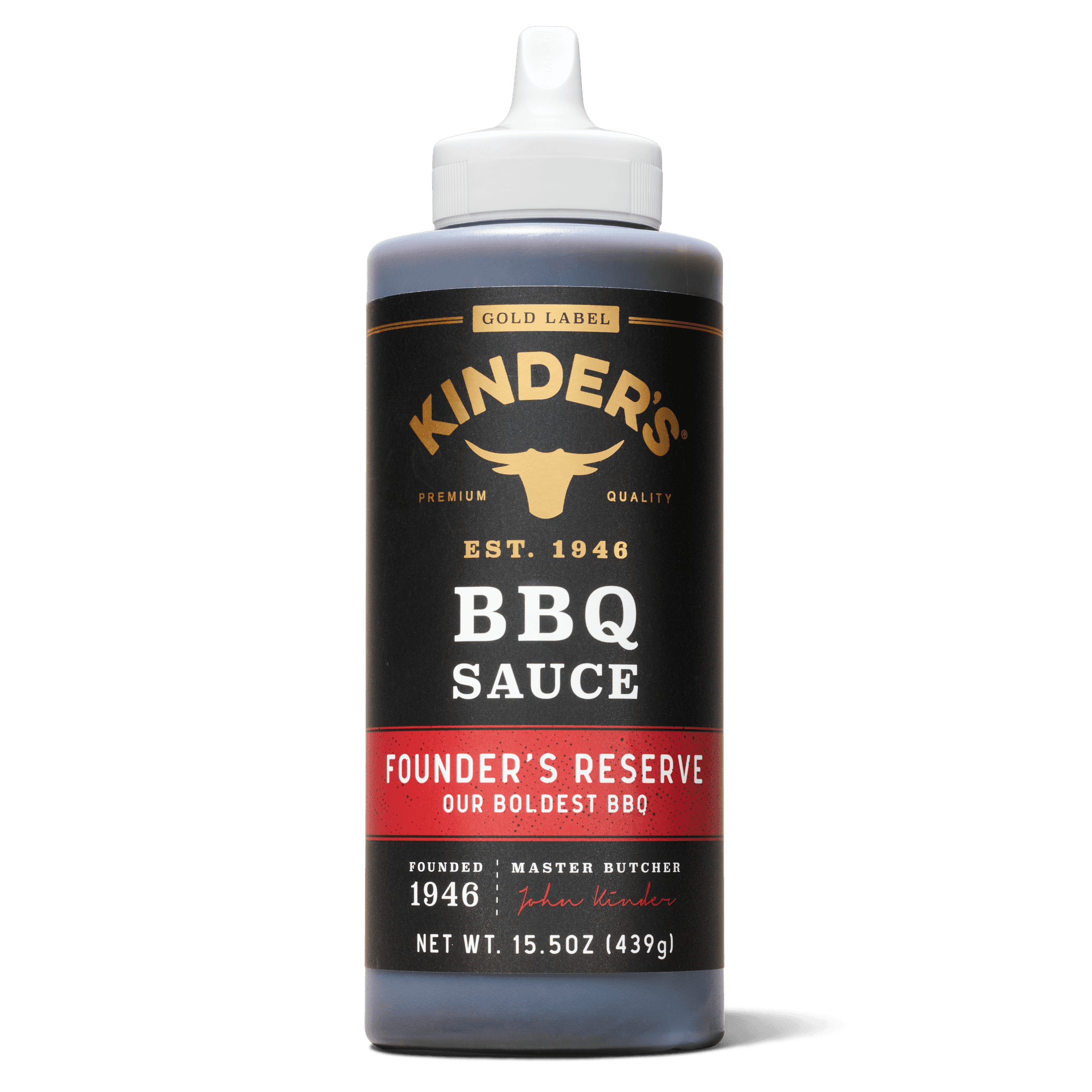
If you want a next-level tomato-based option with depth beyond straight sweetness, Kinder's Gold Label Founder's Reserve BBQ Sauce brings molasses, brown sugar, and a hint of smoke without the cloying finish you get from grocery-store bottles. It's thick enough to coat but balanced enough that it won't bury your pork.
Mustard-Based (South Carolina Style)
Yellow mustard, vinegar, sugar, and spices. This style is polarizing—people either love the tangy, sharp bite or find it too aggressive. Mustard-based sauces work exceptionally well with fattier pork shoulder because the acidity and emulsified texture cut through richness in a way ketchup-based sauces can't.
Use mustard sauce when you want a bold, distinct flavor profile, or when you're serving pulled pork in a context where it needs to stand out—tacos, nachos, or loaded fries. It's also excellent for mixing into the meat and letting it sit for 15–20 minutes before serving, which mellows the sharpness and lets the flavors marry.
Fruit-Forward and Specialty Sauces
Bourbon-peach, apple-chipotle, cherry-molasses—these sauces add a layer of complexity that traditional styles can't. Fruit-based BBQ sauces bring natural sweetness and acidity, and they pair especially well with pork because the meat's mild flavor doesn't fight with the fruit.
For a sauce that walks the line between classic BBQ and something more interesting, try Kinder's Gold Label Bourbon Apple BBQ Sauce. It has the body of a Kansas City sauce but layers in apple and bourbon notes that complement smoke without tasting like dessert. It's also excellent for finishing pulled pork on a griddle or in a cast-iron skillet to get crispy edges.
How Your Cooking Method Should Influence Sauce Choice
The way you cooked your pork should guide your sauce decision. Different methods leave different flavor profiles and textures, and the sauce needs to either enhance or compensate.
Smoked Pulled Pork (Offset Smoker, Pellet Grill, Kettle)
If you've invested 10–14 hours in a low-and-slow smoke, don't drown that work in a sauce that tastes like liquid candy. Stick with vinegar-based or lightly sweetened tomato sauces that let smoke take center stage. Serve sauce on the side first, and let people add it to taste.
For smoked pork, you can also go the minimalist route: mix a little of the pan drippings or "bark" (the crispy outside) into the pulled meat, hit it with a splash of vinegar sauce, and call it done. The pork should taste like pork, not like a sauce delivery vehicle.
Slow Cooker or Instant Pot Pulled Pork
Slow cookers and pressure cookers produce tender, juicy pork, but they don't generate the same depth of flavor you get from smoke or a dry rub crust. This is where a bolder, more complex sauce shines. You're not covering up great flavor—you're building it.
Use thicker, fruit-forward, or spiced sauces here. Add the sauce in the last 30 minutes of cooking if you're using a slow cooker, or mix it in after shredding if you used a pressure cooker. This gives the sauce time to integrate without breaking down into a watery mess.
Oven-Roasted Pulled Pork
Oven-roasted pork sits somewhere between smoked and slow-cooked. You get caramelization and some crust, but not the smoke ring or bark. A tomato-based or mustard-based sauce works well here, especially if you toss the shredded pork with sauce and then finish it under the broiler for 3–5 minutes to get crispy, caramelized edges.
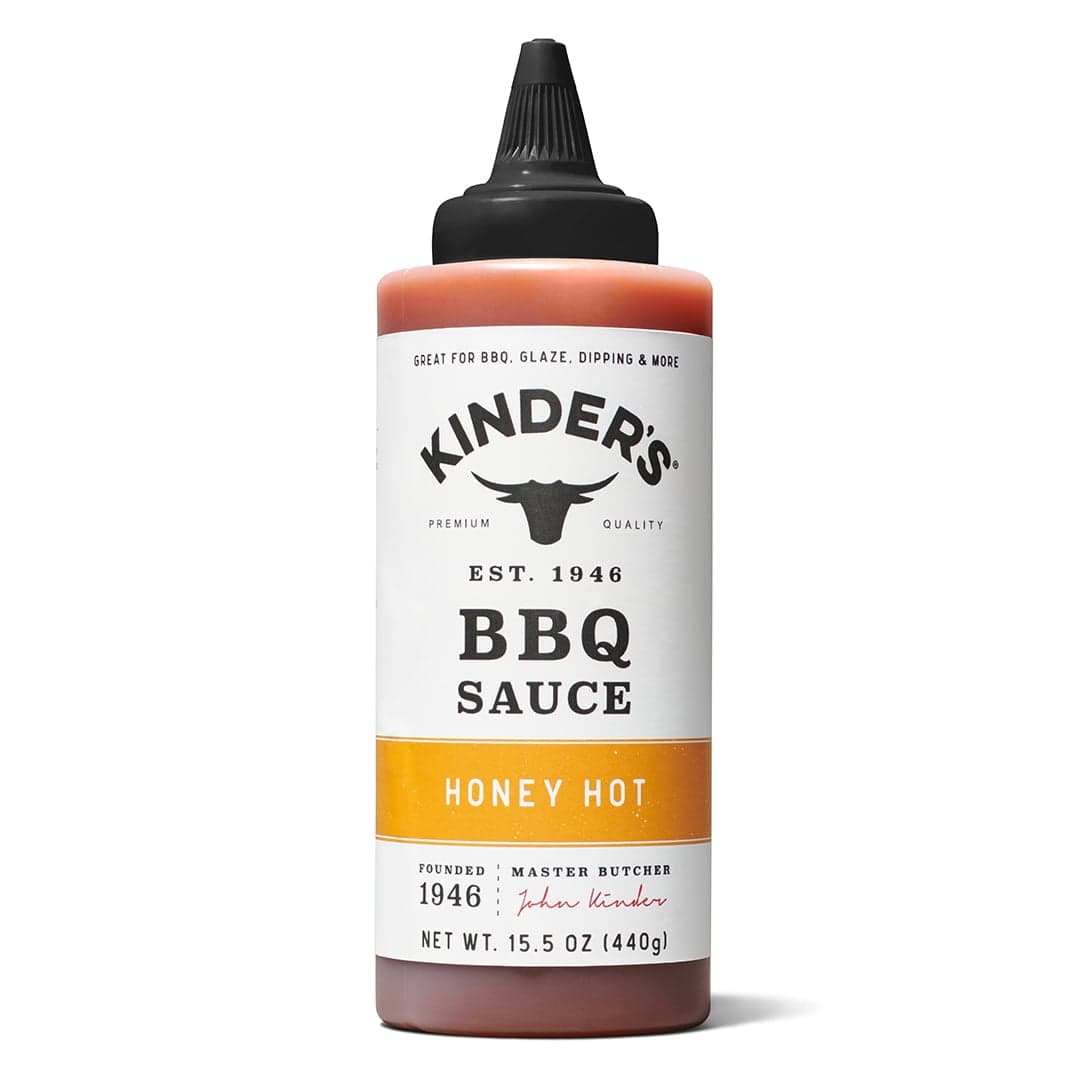
This method also works beautifully with Kinder's Honey Hot BBQ Sauce, which brings sweetness, heat, and a sticky glaze that crisps up under high heat. It's an excellent choice when you want pulled pork that has texture contrast—tender inside, crispy and saucy on the edges.
Balancing Sweetness, Heat, and Tang
Most BBQ sauces are built on a three-part foundation: sweetness (from sugar, molasses, or fruit), acidity (from vinegar or tomato), and heat (from pepper or spices). The best sauces for pulled pork keep these three elements in balance.
If your sauce is too sweet, the pork will taste one-dimensional and cloying, especially in a sandwich where you're adding a soft bun. If it's too acidic, it can make the meat taste sharp or sour. If it's too hot, it overpowers the pork's natural flavor and makes it hard to taste anything else.
Here's a quick way to adjust sauce balance on the fly:
- Too sweet: Add a splash of apple cider vinegar, a squeeze of lemon, or a pinch of smoked paprika.
- Too tangy: Stir in a teaspoon of brown sugar, honey, or a small amount of ketchup.
- Too hot: Mix in more pork, add a little butter or cream, or serve with cooling sides like coleslaw.
- Too thin: Simmer the sauce on the stove for 5–10 minutes to reduce and thicken, or add a small amount of tomato paste.
- Too thick: Thin with apple juice, pork drippings, or a splash of vinegar.
When to Mix Sauce In vs. Serve on the Side
This is one of the most debated questions in pulled pork circles, and the answer depends on your audience and your pork quality.
Mix sauce in when you're serving a crowd, when the pork needs a moisture or flavor boost (like day-old pork or pork cooked without much seasoning), or when you're using the meat in a dish where sauce integration matters—tacos, nachos, pizza, mac and cheese.
Serve sauce on the side when your pork is high-quality and well-seasoned, when you're serving BBQ purists or people with different heat tolerances, or when you want people to taste the pork first and decide how much sauce they want.
A good compromise: lightly dress the bulk of the pork with a mild vinegar sauce (just enough to add moisture and brightness), then offer two or three bolder sauces on the side for people to add as they like.
Beyond Traditional BBQ: Asian-Inspired Sauces for Pulled Pork
Pulled pork isn't limited to American BBQ sauces. The same fatty, tender, shredded texture that works with molasses and vinegar also pairs beautifully with soy, ginger, sesame, and chili.
If you want to take pulled pork in a totally different direction—think bao buns, rice bowls, or lettuce wraps—swap your Kansas City sauce for something like Bachan's The Original Japanese BBQ Sauce. It's soy-based with ginger, green onion, and a hint of sweetness, and it coats pulled pork in a way that feels rich but not heavy. Toss the pork with Bachan's, pile it onto steamed buns with pickled vegetables and cilantro, and you've got a fusion dish that's miles beyond the usual BBQ sandwich.
You can also use Korean gochujang-based sauces, teriyaki glazes, or even a drizzle of hoisin mixed with rice vinegar and sesame oil. The key is to treat pulled pork as a blank canvas—it's mild and fatty enough to carry bold, international flavors without falling apart.
How to Taste and Adjust Sauce Before Committing
Before you pour an entire bottle over eight pounds of pork, taste the sauce with the meat. Pull a small portion of pork into a bowl, toss it with a spoonful of sauce, and evaluate:
- Does the sauce complement the pork, or does it overpower it?
- Is the texture right—does it coat the meat or just pool at the bottom of the bowl?
- Does the flavor improve after sitting for a minute, or does it get worse?
- Would you want to eat a whole sandwich of this, or does it feel like too much?
If the answer to any of these is "no," adjust before you commit. Add more pork to dilute the sauce, mix in a second sauce to balance it, or thin it out with pan drippings or broth.
Common Pulled Pork Sauce Mistakes (and How to Avoid Them)
Even experienced cooks make these errors. Here's what to watch for:
Adding Sauce Too Early
If you add sauce while the pork is still cooking (especially in a slow cooker), the sugars can burn, the sauce can break down and become watery, and the flavors can turn muddy. Always add sauce after the pork is fully cooked and shredded, or in the final 20–30 minutes at most.
Using Too Much Sauce
Pulled pork should be lightly dressed, not swimming. Start with a few tablespoons per pound of meat, toss well, and add more only if needed. You can always add sauce; you can't take it away.
Ignoring the Bun and Sides
A heavily sauced pulled pork sandwich on a soft brioche bun can turn into a soggy mess in minutes. If you're using a delicate bun, go lighter on the sauce or choose a thicker style that won't soak through. Pair sweeter sauces with tangy, crunchy slaws to balance richness.
Not Accounting for Leftovers
Pulled pork with sauce mixed in can dry out or get gummy when reheated. If you're planning to have leftovers, sauce only the portion you'll serve immediately and keep the rest plain. You can always add sauce when you reheat.
Building a Pulled Pork Sauce Bar for Parties
If you're feeding a group, set up a sauce station with three to four options that cover different flavor profiles:
- Vinegar-based: for purists and people who want a lighter bite
- Classic tomato-based: for crowd appeal and kids
- Fruit-forward or bourbon-spiked: for adventurous eaters
- Spicy or Asian-inspired: for heat lovers and fusion fans
Label each sauce, provide small tasting spoons, and let people customize their plates. This approach takes the pressure off you to pick the "right" sauce and turns the meal into an interactive experience.
Final Thoughts: Sauce Should Enhance, Not Define
The best BBQ sauce for pulled pork is the one that makes your pork taste more like itself—richer, smokier, more balanced—not the one that covers it up. Whether you go classic Carolina vinegar, thick and sweet Kansas City, or take a detour through bourbon-apple or Japanese BBQ territory, the sauce should feel like a natural extension of the meat, not a separate condiment you're obligated to add.
Start with your cooking method, think about your audience, and taste as you go. And if you're stocking your pantry with sauces that can handle pulled pork and a dozen other applications, look for bottles that bring real depth—smoke, fruit, spice, complexity—not just corn syrup and food coloring.
Ready to level up your pulled pork game? Explore our full collection of premium BBQ sauces and seasonings, and find the bottles that'll make your next cookout the one people remember.
Shop the products mentioned in this article
Free shipping on every order. No minimums, no gimmicks.