How to Use Japanese BBQ Sauce on Steak and Burgers (Easy Guide)
Japanese BBQ sauce transforms steak and burgers with umami-rich flavor. Learn how to marinate, glaze, and finish beef dishes with this sweet-savory secret weapon.
Japanese BBQ sauce—often called tare or yakiniku sauce—has exploded in popularity thanks to viral recipes and a growing appetite for umami-packed flavors. While it's traditionally brushed on grilled meats at Japanese BBQ restaurants, this sweet, savory, slightly tangy sauce works beautifully on American grilling staples like steak and burgers. If you've been wondering how to break out of the ketchup-and-mustard rut or add serious depth to your next cookout, Japanese BBQ sauce is your answer.
In this guide, we'll walk through exactly how to use Japanese BBQ sauce on steak and burgers—from marinades and glazes to finishing sauces and burger toppings. You'll learn which cuts work best, timing tricks to avoid burning, and simple upgrades that make backyard grilling taste like a high-end steakhouse.
Why Japanese BBQ Sauce Works So Well on Beef
Japanese BBQ sauce is built on a foundation of soy sauce, mirin, sake, sugar, garlic, ginger, and sometimes sesame. The result is a balanced blend of salty, sweet, and umami that amplifies the natural richness of beef without masking it.
Unlike thick, molasses-heavy American BBQ sauces, Japanese BBQ sauce is typically thinner and more penetrating. It caramelizes quickly on high heat, creating a glossy, slightly charred crust that locks in moisture. The soy base also contains natural glutamates—the same compounds that make aged steak, Parmesan, and mushrooms so crave-worthy.
When you brush Japanese BBQ sauce onto a hot steak or burger, the sugars caramelize almost instantly, forming a lacquered finish that's both visually stunning and packed with flavor. The acidity from rice vinegar or citrus in many recipes also helps tenderize tougher cuts and balance the fattiness of ground beef.
Best Cuts of Steak for Japanese BBQ Sauce
Japanese BBQ sauce is versatile, but some cuts shine brighter than others. Here's what to look for:
Ribeye
Ribeye's marbling makes it ideal for high-heat grilling. The fat renders beautifully under the broiler or on the grill, and the sauce clings to every crevice. Slice ribeye thin after cooking for a yakiniku-style presentation, or serve it whole with sauce drizzled over the top.
Sirloin and Flat Iron
These leaner cuts benefit from a short marinade in Japanese BBQ sauce—30 minutes to two hours is plenty. The soy and sugar help tenderize the meat while infusing it with flavor. Grill over high heat and slice against the grain.
Skirt and Flank Steak
Thin, flavorful cuts like skirt and flank are perfect for quick, high-heat cooking. Marinate them for one to four hours, then sear fast and slice thin. The sauce penetrates deeply and the char from the grill adds a smoky counterpoint to the sweet glaze.
New York Strip
A classic steakhouse cut that holds up well to bold flavors. Brush Japanese BBQ sauce on during the last two minutes of grilling, or serve it on the side as a dipping sauce. The strip's firm texture and beefy flavor pair beautifully with the umami punch of the sauce.
Avoid delicate cuts like filet mignon unless you're using the sauce sparingly—its mild flavor can get overpowered.
Three Ways to Use Japanese BBQ Sauce on Steak
1. The Marinade Method
Marinating steak in Japanese BBQ sauce before grilling infuses the meat with flavor from the inside out. This works especially well for leaner cuts that benefit from tenderizing.
How to do it: Place your steak in a resealable bag or shallow dish. Pour enough Japanese BBQ sauce to coat all sides—about 1/3 to 1/2 cup per pound of meat. Seal and refrigerate for 30 minutes to 4 hours. Flip halfway through if possible.
Remove the steak from the marinade and pat it mostly dry with paper towels. This prevents flare-ups and ensures a good sear. Grill over high heat, flipping once. The sugars in the sauce will caramelize quickly, so watch for charring. Aim for an internal temperature of 130°F for medium-rare.
Let the steak rest for five minutes, then slice against the grain. Drizzle with a bit more fresh sauce before serving.
2. The Glaze Method
Glazing is the most common technique in Japanese yakiniku restaurants. You cook the steak most of the way through, then brush on sauce in the final minutes to create a glossy, caramelized crust.
How to do it: Season your steak with a pinch of salt and pepper, or use a simple seasoning blend. Grill or sear over high heat until the steak is about two minutes away from your target doneness. Brush a generous layer of Japanese BBQ sauce on the top side, flip, and cook for one minute. Brush the second side, flip again, and cook for another minute.
This method gives you control over the char and prevents burning. The thin coats of sauce build up into a deeply flavorful crust without overwhelming the beef. For an extra layer of complexity, try a seasoning like Kinder's The Blend before grilling—the salt, pepper, and garlic base pairs beautifully with the sweet-savory profile of Japanese BBQ sauce.
3. The Finishing Sauce
If you prefer a cleaner grilled flavor, skip the marinade and glaze altogether. Instead, grill your steak with just salt and pepper, then serve it with Japanese BBQ sauce on the side or drizzled over the sliced meat.
How to do it: Cook your steak to your preferred doneness using your favorite method—grill, cast iron, or broiler. Let it rest, then slice thin against the grain. Arrange the slices on a plate and drizzle warmed Japanese BBQ sauce over the top, or serve it in a small bowl for dipping.
This approach is ideal when you want the beef to be the star and the sauce to be a supporting accent. It's also great for thick cuts like ribeye or porterhouse, where you want to taste the quality of the meat first.
How to Use Japanese BBQ Sauce on Burgers
Burgers are the perfect canvas for Japanese BBQ sauce. The sauce's umami richness complements ground beef in ways that standard condiments can't match. Here's how to take your burger game to the next level.
Mix It Into the Patty
One of the simplest ways to infuse burgers with Japanese BBQ flavor is to mix a tablespoon or two of sauce directly into the ground beef before forming patties. This distributes the flavor throughout the burger and keeps the meat moist.
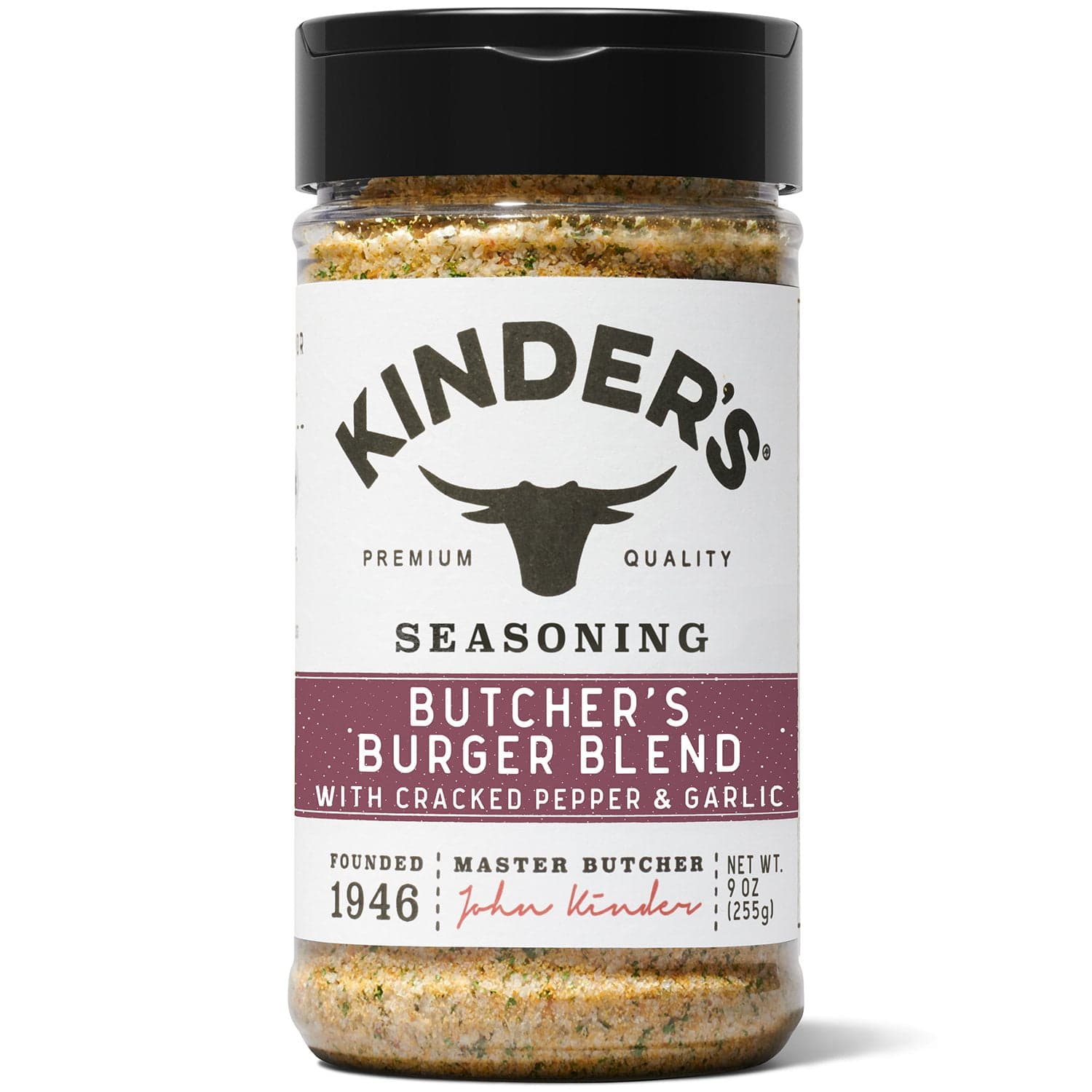
Pro tip: Combine Japanese BBQ sauce with a burger-specific seasoning blend like Kinder's Butcher's Burger Blend for a flavor profile that's both familiar and unexpected. The garlic, onion, and pepper notes in the seasoning amplify the savory elements of the sauce.
Form your patties gently—overworking the meat makes burgers tough. Grill over medium-high heat, flipping once. The sauce inside will help create a juicy, flavorful patty with a hint of caramelization on the crust.
Glaze During Grilling
Just like with steak, you can brush Japanese BBQ sauce onto burger patties during the last two minutes of cooking. This creates a sticky, caramelized exterior that's visually stunning and packed with flavor.
How to do it: Season your patties with salt and pepper, then grill until they're nearly done—about 3-4 minutes per side for medium. Brush the top with Japanese BBQ sauce, flip, and cook for one minute. Brush the second side, flip again, and cook for another minute. If you're adding cheese, place it on during the final minute and cover the grill to melt.
The key is to apply the sauce late in the cooking process. Sugar burns easily, and applying too early will leave you with a charred, bitter crust instead of a glossy glaze.
Use It as a Burger Sauce
Japanese BBQ sauce can replace or complement traditional burger condiments. It's especially good when mixed with mayo or used as a base for a more complex sauce.
Simple Japanese BBQ mayo: Mix 3 parts mayo with 1 part Japanese BBQ sauce. Spread on both buns for a creamy, umami-rich base that ties all the toppings together.
Spicy version: Add a squirt of Sriracha or a pinch of chili flakes to the mayo mixture for heat.
Layer your burger with crisp lettuce, thinly sliced red onion, pickled cucumber, and a fried egg for a Japanese-inspired burger that's both familiar and exciting.
Timing and Temperature: Avoiding the Burn
The biggest mistake people make with Japanese BBQ sauce is applying it too early or over too-high heat. The sugar content means it caramelizes—and burns—quickly.
Here's a simple timing guide:
- Marinade: 30 minutes to 4 hours before cooking. Pat dry before grilling to prevent flare-ups.
- Glaze: Apply during the last 2-3 minutes of cooking only. Flip once or twice to build layers without burning.
- Finishing sauce: Drizzle after cooking, either on the resting steak or over sliced meat.
- Burger mix-in: Add to raw ground beef before forming patties. No additional timing needed.
If you're working with a charcoal or gas grill, create a two-zone fire: high direct heat for searing, and a cooler indirect zone where you can move the meat if the sauce starts to char too quickly. This gives you much more control over the final result.
Pairing Japanese BBQ Sauce with Other Seasonings
Japanese BBQ sauce is bold, but it doesn't have to fly solo. Pairing it with complementary seasonings can add depth and complexity to your steak or burger.
Garlic-forward blends: A seasoning like Kinder's Woodfired Garlic works beautifully with Japanese BBQ sauce. The roasted garlic and herb notes echo the aromatics in the sauce while adding a savory backbone.
Pepper-based rubs: Cracked black pepper or a whiskey peppercorn blend can add heat and texture. The peppercorns create little pockets of spice that contrast nicely with the sweet glaze.
Simple salt blends: Sometimes the best move is to keep it simple. A good all-purpose blend like Kinder's The Blend seasons the meat without competing with the sauce.
Apply dry seasonings before grilling, then glaze with Japanese BBQ sauce toward the end. This layered approach builds flavor without muddying the profile.
Serving Suggestions and Side Dishes
Japanese BBQ sauce pairs well with sides that balance its sweetness and complement its umami depth. Here are some ideas:
- Steamed white or brown rice: The neutral base soaks up extra sauce and rounds out the meal.
- Pickled vegetables: Quick-pickled cucumbers, radishes, or red onions add brightness and cut through the richness.
- Grilled bok choy or broccolini: Char the vegetables on the grill and drizzle with a bit of the same sauce.
- Asian slaw: Shredded cabbage, carrots, and cilantro tossed with rice vinegar and sesame oil.
- Crispy roasted potatoes: Toss with sesame seeds and scallions for a Japanese-inspired twist.
For burgers, serve with sweet potato fries, edamame, or a simple green salad. The key is to balance the bold, sticky sweetness of the sauce with fresh, crisp, or acidic elements.
Store-Bought vs. Homemade Japanese BBQ Sauce
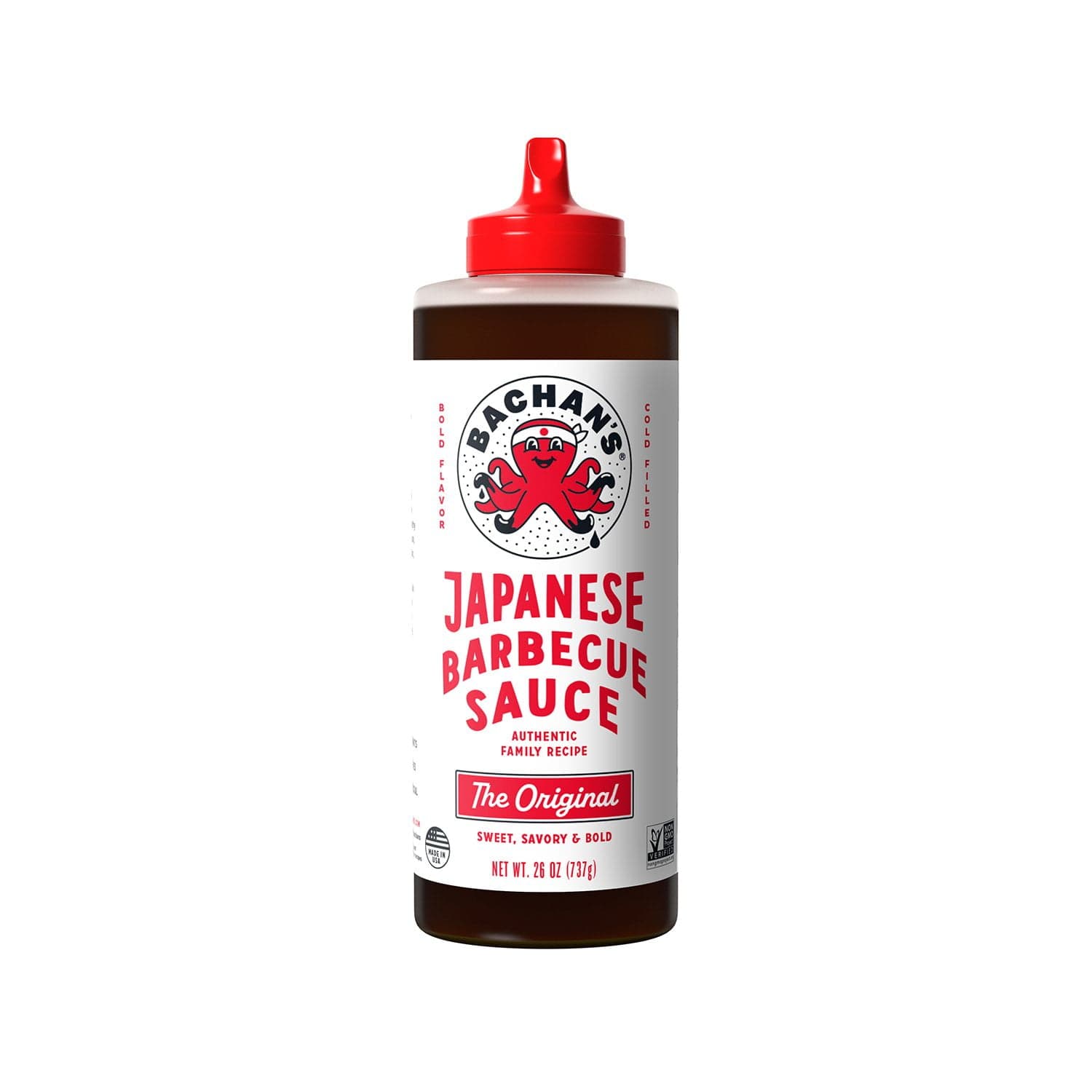
Both have their place. Store-bought Japanese BBQ sauce—like Bachan's The Original Japanese BBQ Sauce—is convenient, consistent, and designed to deliver balanced flavor right out of the bottle. Bachan's in particular has become a cult favorite for its clean ingredient list and versatile, not-too-sweet profile. It works beautifully as a marinade, glaze, or finishing sauce for both steak and burgers.
Homemade sauce gives you full control over sweetness, salt, and spice. A basic recipe combines soy sauce, mirin, sake, brown sugar, garlic, ginger, and a touch of sesame oil. Simmer until thickened, then use immediately or store in the fridge for up to two weeks.
If you're new to Japanese BBQ sauce, start with a quality store-bought option. Once you understand the flavor profile, experiment with homemade versions or doctor store-bought sauce with extra garlic, chili paste, or citrus zest.
Common Mistakes and How to Avoid Them
Applying Sauce Too Early
Sugar burns fast. If you brush Japanese BBQ sauce on at the start of grilling, you'll end up with a charred, bitter crust and raw meat inside. Always apply sauce in the last two to three minutes, or use it as a finishing drizzle.
Using Too Much Sauce
A little goes a long way. Over-saucing can make your steak or burger cloyingly sweet and mask the flavor of the beef. Start with a light brush or drizzle, taste, and add more if needed.
Skipping the Rest
Steak needs to rest after cooking—this allows the juices to redistribute. If you slice immediately, you'll lose moisture and flavor. Let your steak rest for at least five minutes, tented loosely with foil, before slicing or serving.
Ignoring the Grain
Always slice steak against the grain. This shortens the muscle fibers and makes each bite more tender. Look for the direction the fibers run, then cut perpendicular to them.
Frequently Asked Questions
Can I use Japanese BBQ sauce on frozen burgers?
Yes, but thaw them first for best results. Frozen patties won't absorb marinade well, and the uneven cooking makes glazing tricky. Thaw, season, then glaze during the last few minutes of grilling.
How long does Japanese BBQ sauce last in the fridge?
Store-bought sauce typically lasts several months unopened and up to six months in the fridge after opening. Homemade versions last about two weeks. Always check for off smells or mold before using.
Can I use Japanese BBQ sauce in the oven?
Absolutely. Broil your steak or burgers, then brush with sauce in the last two minutes. The high heat of the broiler caramelizes the sauce just like a grill. You can also bake burgers at 400°F, glazing in the final five minutes.
Is Japanese BBQ sauce gluten-free?
Most traditional Japanese BBQ sauces contain soy sauce, which is made from wheat and is not gluten-free. However, some brands offer gluten-free versions made with tamari. Always check the label if you have dietary restrictions.
Ready to Upgrade Your Grilling Game?
Japanese BBQ sauce is one of the easiest ways to add restaurant-quality flavor to steak and burgers at home. Whether you're marinating, glazing, or finishing, this umami-rich sauce brings depth, sweetness, and complexity that standard condiments simply can't match.
Start with a quality bottle like Bachan's The Original Japanese BBQ Sauce, pair it with a versatile seasoning blend, and follow the timing guidelines above. In just a few minutes, you'll transform everyday grilling into something special—no fancy equipment or culinary degree required.
Grab your sauce, fire up the grill, and get ready to taste beef in a whole new way.
Shop the products mentioned in this article
Free shipping on every order. No minimums, no gimmicks.