How to Grill Korean BBQ Pork Belly at Home: Crispy, Juicy Perfection
Learn how to grill authentic Korean BBQ pork belly (samgyeopsal) at home with crispy edges, juicy interiors, and restaurant-quality flavor using simple techniques.
Korean BBQ pork belly—known as samgyeopsal—is one of the most beloved dishes in Korean cuisine, and for good reason. The combination of crispy, caramelized edges and melt-in-your-mouth fatty interior delivers a flavor and texture experience that few other grilled meats can match. The best news? You don't need a trip to a Korean restaurant to achieve sizzling, restaurant-quality pork belly at home.
Why Korean BBQ Pork Belly Is Different (and Better)
Unlike American-style bacon or slow-smoked BBQ pork, Korean pork belly is typically served in thick slices—about a half-inch to three-quarters of an inch—and grilled quickly over high heat. The goal isn't low-and-slow rendering; it's fast searing that creates a contrast between the crispy, golden exterior and the juicy, tender fat inside.
Samgyeopsal translates literally to "three-layer meat," referring to the alternating layers of meat and fat that give pork belly its signature appearance and richness. In Korea, it's often grilled tableside on a gas or charcoal grill, then wrapped in fresh lettuce leaves with garlic, ssamjang (a savory-spicy paste), kimchi, and other banchan (side dishes).
The beauty of Korean BBQ pork belly is its simplicity. While many Korean meats are marinated for hours, samgyeopsal is often served unmarinated, relying on high-quality pork, proper grilling technique, and flavorful dipping sauces to shine. That said, a well-chosen seasoning can elevate the experience even further—more on that below.
Choosing the Right Pork Belly for Grilling
Not all pork belly is created equal. For authentic Korean BBQ results, look for pork belly that has visible, even layers of fat and meat. Avoid cuts that are overly fatty with minimal meat striations, or conversely, cuts that are too lean.
Where to Buy Pork Belly
- Korean or Asian grocery stores: Your best bet. Many carry pre-sliced, skin-off pork belly specifically labeled for samgyeopsal.
- Butcher counters: Ask your butcher for fresh pork belly, skin removed, sliced into half-inch-thick pieces.
- Online meat purveyors: Several specialty retailers ship high-quality pork belly nationwide.
- Wholesale clubs: Costco and similar stores often carry whole pork belly slabs that you can slice yourself.
If you buy a whole slab, place it in the freezer for 30–45 minutes before slicing. This firms up the meat and makes it much easier to cut uniform, even slices.
Skin-On vs. Skin-Off
Most Korean BBQ pork belly is served skin-off to ensure even cooking and better texture. Pork skin requires very high, prolonged heat to become crispy, and leaving it on can result in chewy, rubbery bites. Save skin-on belly for other preparations like slow-roasted porchetta.
Seasoning Korean BBQ Pork Belly: Keep It Simple or Add Bold Flavor
Traditional samgyeopsal is grilled with just salt and pepper, letting the natural pork flavor take center stage. However, modern Korean BBQ joints and home cooks have embraced seasoning blends that add depth without overpowering the meat.
If you want to keep it classic, a light sprinkle of coarse sea salt and freshly cracked black pepper right before grilling is all you need. But if you're looking to amplify flavor, consider a versatile seasoning that complements pork's richness.
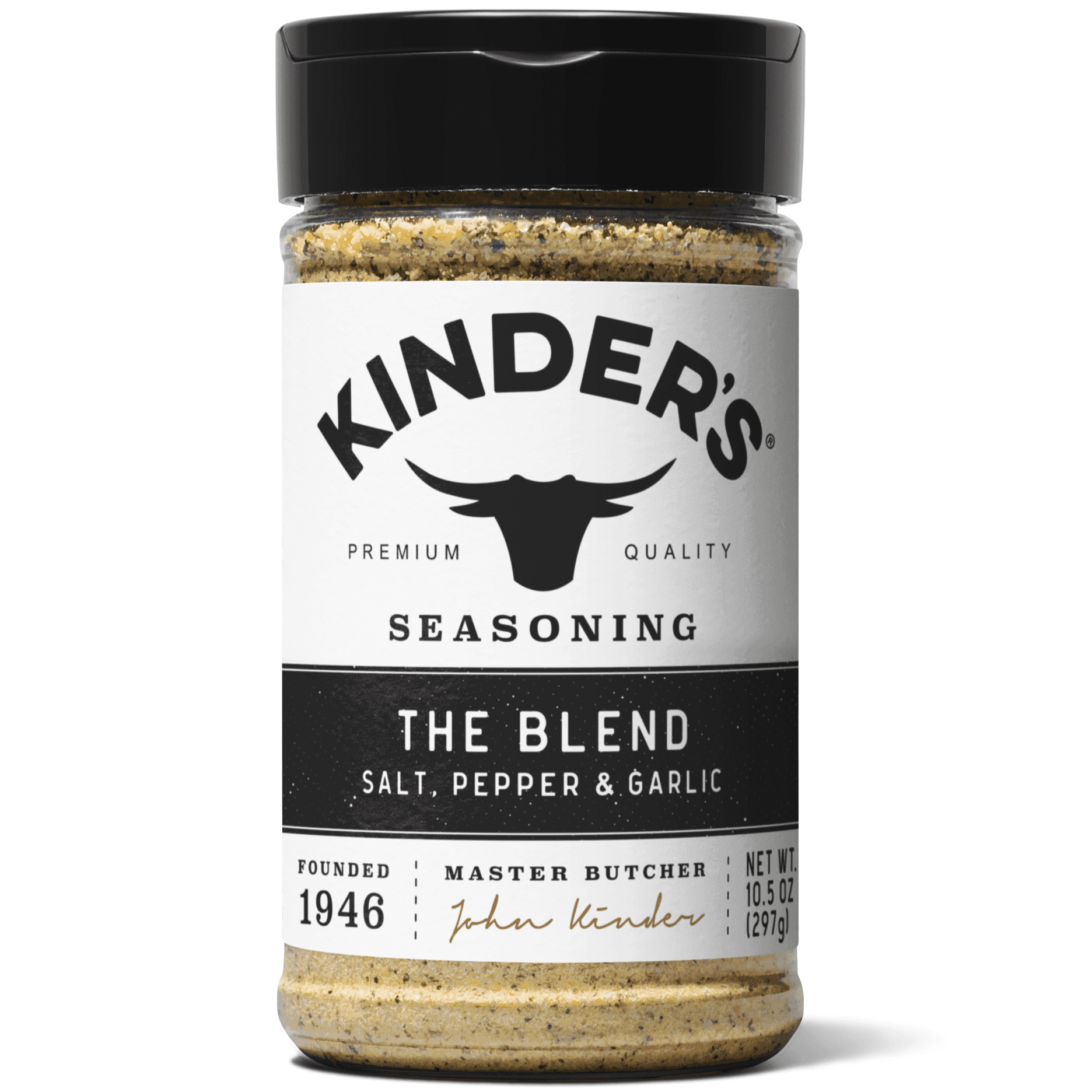
A blend like Kinder's The Blend—a balanced mix of salt, pepper, and garlic—works beautifully on pork belly. The garlic adds a subtle aromatic note that pairs perfectly with the fatty richness, while the pepper provides just enough bite. Apply it lightly; pork belly is rich enough that you don't want to oversalt.
For a slightly sweeter, more complex profile, Kinder's Hickory Brown Sugar Seasoning introduces a touch of caramelization and smokiness that echoes the flavors of traditional Korean marinades like bulgogi, without requiring hours of marinating time.
The Best Way to Grill Pork Belly: Techniques That Work
Korean BBQ pork belly thrives on high, direct heat. Whether you're using a tabletop grill, a gas grill, a charcoal grill, or even a heavy cast-iron skillet, the principles remain the same.
Preheat Your Grill or Pan
Get your cooking surface screaming hot before the pork hits it. For gas or charcoal grills, aim for a temperature of 450–500°F. For stovetop cooking, preheat a cast-iron skillet or griddle over medium-high to high heat for at least five minutes.
No Oil Needed
Pork belly renders a significant amount of fat as it cooks. You don't need to add oil to your grill or pan—the meat will provide its own. In fact, adding oil can cause excessive smoke and flare-ups.
Grill in Batches
Don't overcrowd your grill. Leave space between each slice so heat can circulate and fat can render properly. Crowding leads to steaming instead of searing, and you'll miss out on that coveted crispy crust.
The Flip
Place your pork belly slices flat on the grill. Let them cook undisturbed for 3–4 minutes, or until the bottom develops a deep golden-brown crust. Flip once, and cook for another 2–3 minutes. Depending on thickness and heat level, total cook time is usually 6–8 minutes.
Resist the urge to flip repeatedly. Let each side develop color and texture before turning.
Cut Into Bite-Sized Pieces
Once cooked, use kitchen shears to cut each slice into bite-sized squares, about 1.5 to 2 inches. This makes them perfect for wrapping in lettuce and easier to eat.
Serving Korean BBQ Pork Belly: Lettuce Wraps and Essential Sides
In Korean BBQ culture, the meat is just one component of the meal. The real magic happens when you wrap grilled pork belly in a crisp lettuce leaf with a variety of fresh and fermented accompaniments.
The Lettuce
Use red or green leaf lettuce, or perilla leaves (kkaennip) if you can find them at a Korean grocer. Perilla has a unique, slightly minty flavor that pairs beautifully with rich pork. Avoid iceberg lettuce—it's too watery and lacks flavor.
Essential Accompaniments
- Ssamjang: A thick, savory-spicy paste made from fermented soybean paste (doenjang) and gochujang (red chili paste). This is the flavor backbone of most Korean BBQ wraps.
- Fresh garlic slices: Thinly sliced raw garlic, sometimes grilled alongside the pork.
- Green chili peppers: Raw or grilled, they add a fresh, bright heat.
- Kimchi: Fermented napa cabbage kimchi is the classic choice, though radish kimchi (kkakdugi) works too.
- Pickled vegetables: Quick-pickled radish or cucumber provide acidity and crunch.
- Scallion salad (pajeori): Thinly sliced scallions tossed with gochugaru, vinegar, and sesame oil.
How to Build the Perfect Wrap
- Place a lettuce leaf in your palm.
- Add a piece of grilled pork belly.
- Top with a small dab of ssamjang.
- Add a slice of raw or grilled garlic, a piece of kimchi, and a pepper if desired.
- Fold the lettuce around the filling and eat in one bite (this is the traditional way—no nibbling!).
The interplay of rich pork, spicy-savory sauce, crunchy vegetables, and pungent garlic creates a flavor explosion that's addictive and deeply satisfying.
Indoor Grilling: How to Nail It Without a Backyard Setup
If you don't have access to an outdoor grill or a traditional Korean tabletop grill, you can still achieve excellent results indoors with the right equipment and technique.
Cast Iron Skillet or Griddle
A heavy cast-iron skillet is your best friend for indoor Korean BBQ. Preheat it over high heat until it just begins to smoke, then add your pork belly slices. The thick metal retains heat well and delivers a beautiful sear.
Electric Griddle
If you have a flat electric griddle, set it to the highest temperature setting. These work especially well for cooking multiple slices at once, and the even heat distribution mimics a traditional Korean BBQ grill.
Ventilation Is Key
Pork belly releases a lot of fat and smoke as it cooks. Turn on your range hood, open windows, and consider using a fan. Some home cooks even set up a portable burner on a balcony or patio to keep smoke out of the house.
Drain Excess Fat
As the pork cooks, fat will pool in your pan. Use tongs and paper towels to carefully blot away excess fat every few minutes. This prevents the meat from frying in its own grease and helps maintain that crispy texture.
Marinades and Flavor Variations
While plain salted pork belly is delicious, marinating opens up a world of flavor possibilities. If you have time, try one of these marinades for a different spin on Korean BBQ pork belly.
Gochujang Marinade
Mix 3 tablespoons gochujang, 2 tablespoons soy sauce, 1 tablespoon sesame oil, 1 tablespoon honey or sugar, 2 cloves minced garlic, and 1 teaspoon grated ginger. Marinate pork belly slices for at least 2 hours, up to overnight. Grill as usual. The gochujang caramelizes beautifully over high heat.
Soy-Garlic Marinade
Combine 1/4 cup soy sauce, 2 tablespoons mirin, 1 tablespoon sugar, 3 cloves minced garlic, 1 tablespoon sesame oil, and a pinch of black pepper. This yields a savory, slightly sweet profile similar to bulgogi.
Spicy Ginger-Scallion Marinade
Whisk together 3 tablespoons soy sauce, 1 tablespoon rice vinegar, 1 tablespoon gochugaru (Korean chili flakes), 2 teaspoons grated ginger, 2 scallions (chopped), and 1 tablespoon sesame oil. This marinade is bright, spicy, and aromatic.
Pairing Sauces and Dips
Beyond ssamjang, there are other sauces that pair beautifully with grilled pork belly. If you're hosting a Korean BBQ night, set out a variety so guests can customize their wraps.
Sesame Oil and Salt Dip
Mix a small dish of toasted sesame oil with a pinch of coarse sea salt and a grind of black pepper. This minimalist dip enhances the pork's natural flavor without overwhelming it.
Gochujang Mayo
Stir together 2 tablespoons mayonnaise, 1 tablespoon gochujang, and a squeeze of lime juice. Creamy, spicy, and tangy—it's a modern twist that's hugely popular.
Ponzu or Citrus Soy
For a lighter, more acidic contrast, serve ponzu (Japanese citrus soy sauce) or make a quick version by mixing soy sauce, lime juice, and a pinch of sugar. The acidity cuts through the pork's richness.
Common Mistakes (and How to Avoid Them)
Even a simple dish like Korean BBQ pork belly can go wrong if you're not careful. Here are the most common pitfalls and how to steer clear.
Slicing Too Thin
Thin slices cook too fast and can become tough and chewy. Aim for a half-inch to three-quarters of an inch thickness for the ideal texture contrast.
Not Preheating Your Grill or Pan
Starting with a cold or lukewarm cooking surface leads to sticking, uneven cooking, and lackluster crust. Always preheat thoroughly.
Overseasoning
Pork belly is naturally rich and fatty. A heavy hand with salt or seasoning can quickly become overwhelming. Start light—you can always add more at the table.
Skipping the Sides
Eating pork belly on its own can feel heavy and one-dimensional. The fresh vegetables, pickles, and fermented sides provide balance and make the meal feel complete and satisfying.
Leftover Pork Belly: Creative Uses
If you end up with leftover grilled pork belly (unlikely, but it happens), don't let it go to waste. Here are a few tasty ways to repurpose it.
Pork Belly Fried Rice
Chop leftover pork belly into small pieces and stir-fry with day-old rice, vegetables, soy sauce, and a fried egg on top. The rendered fat adds incredible flavor to the rice.
Pork Belly Tacos
Warm the pork belly and serve in soft corn or flour tortillas with kimchi, cilantro, lime, and a drizzle of gochujang mayo. It's a Korean-Mexican fusion that works beautifully.
Pork Belly Ramen
Add sliced pork belly to a bowl of instant or homemade ramen, along with soft-boiled eggs, scallions, and nori. The pork adds richness and protein to the broth.
Pork Belly Banh Mi
Layer grilled pork belly on a crusty baguette with pickled carrots and daikon, cucumber, cilantro, and sriracha mayo for a Vietnamese-inspired sandwich.
Hosting a Korean BBQ Night at Home
One of the joys of Korean BBQ is its communal, interactive nature. Hosting a Korean BBQ night is easier than you think, and it's a memorable way to entertain friends and family.
Set Up a DIY Grill Station
If you have a portable butane burner or electric griddle, set it up in the center of your dining table. Guests can grill their own pork belly slices, just like at a restaurant. Make sure you have good ventilation and a heat-safe surface.
Prep Your Banchan in Advance
Prepare all your side dishes—kimchi, pickles, scallion salad, ssamjang—ahead of time and arrange them in small bowls around the table. This keeps the focus on grilling and eating, not scrambling in the kitchen.
Offer Variety
In addition to pork belly, consider offering thinly sliced beef (bulgogi or chadol), marinated chicken, or shrimp. Variety keeps things interesting and accommodates different preferences.
Don't Forget the Rice and Soup
Steamed white rice and a simple soup (like doenjang jjigae or miyeok guk) round out the meal and provide a comforting base for all the bold flavors.
Why You Should Try Korean BBQ Pork Belly This Week
Korean BBQ pork belly isn't just a dish—it's an experience. The combination of high-heat grilling, rich and fatty meat, fresh vegetables, and bold, fermented flavors creates a meal that's interactive, delicious, and deeply satisfying. Whether you're firing up the grill outdoors, using a cast-iron skillet indoors, or setting up a tabletop grill for friends, mastering samgyeopsal at home is easier than you think.
Start with quality pork belly, keep your seasoning simple or enhance it with a versatile blend like Kinder's The Blend or Kinder's Hickory Brown Sugar, and focus on high heat and proper technique. Serve it with fresh lettuce, ssamjang, kimchi, and plenty of sides, and you'll have a restaurant-quality Korean BBQ experience in your own home.
Ready to fire up the grill? Grab your pork belly, heat up your skillet, and get ready for crispy, juicy, sizzling perfection. Your taste buds will thank you.
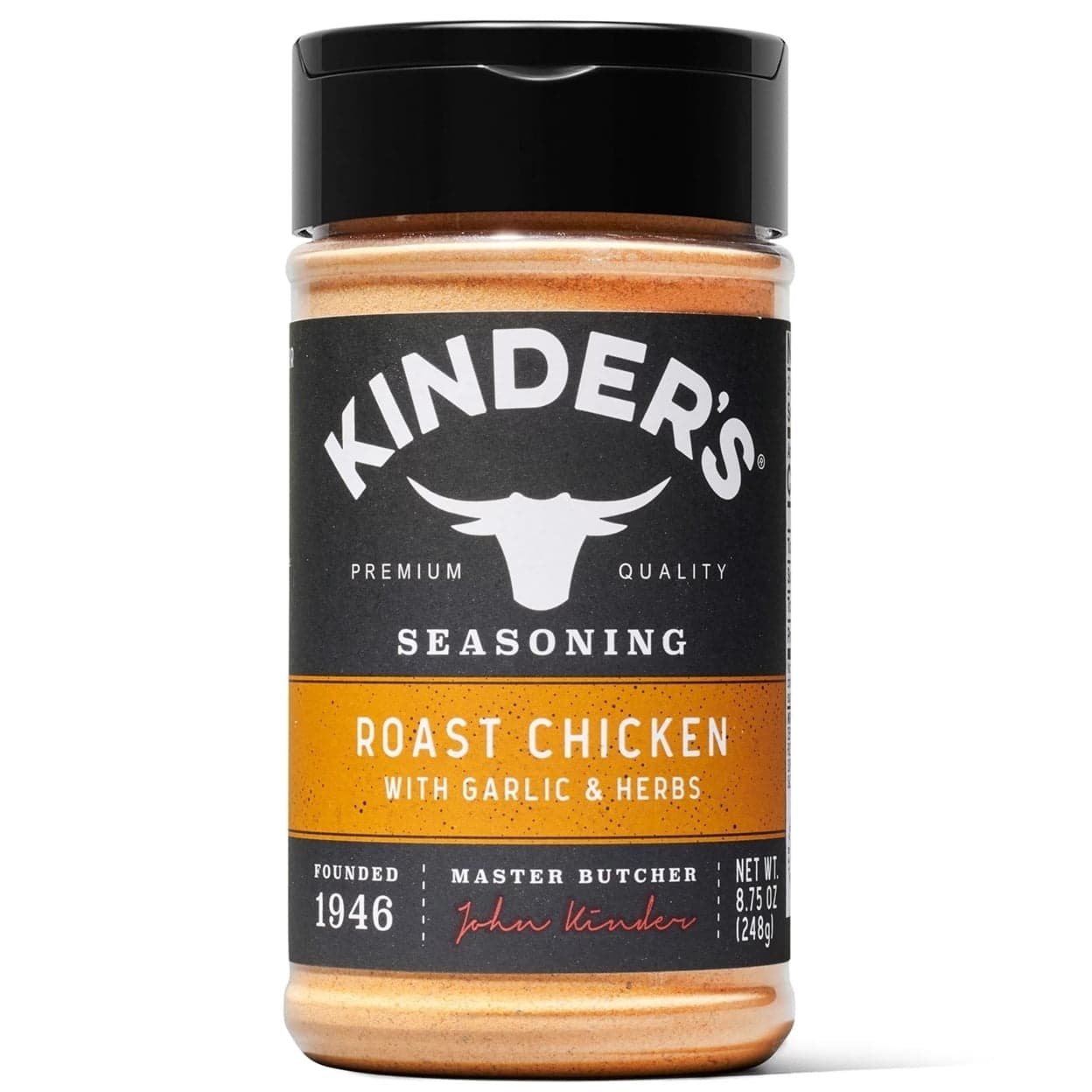
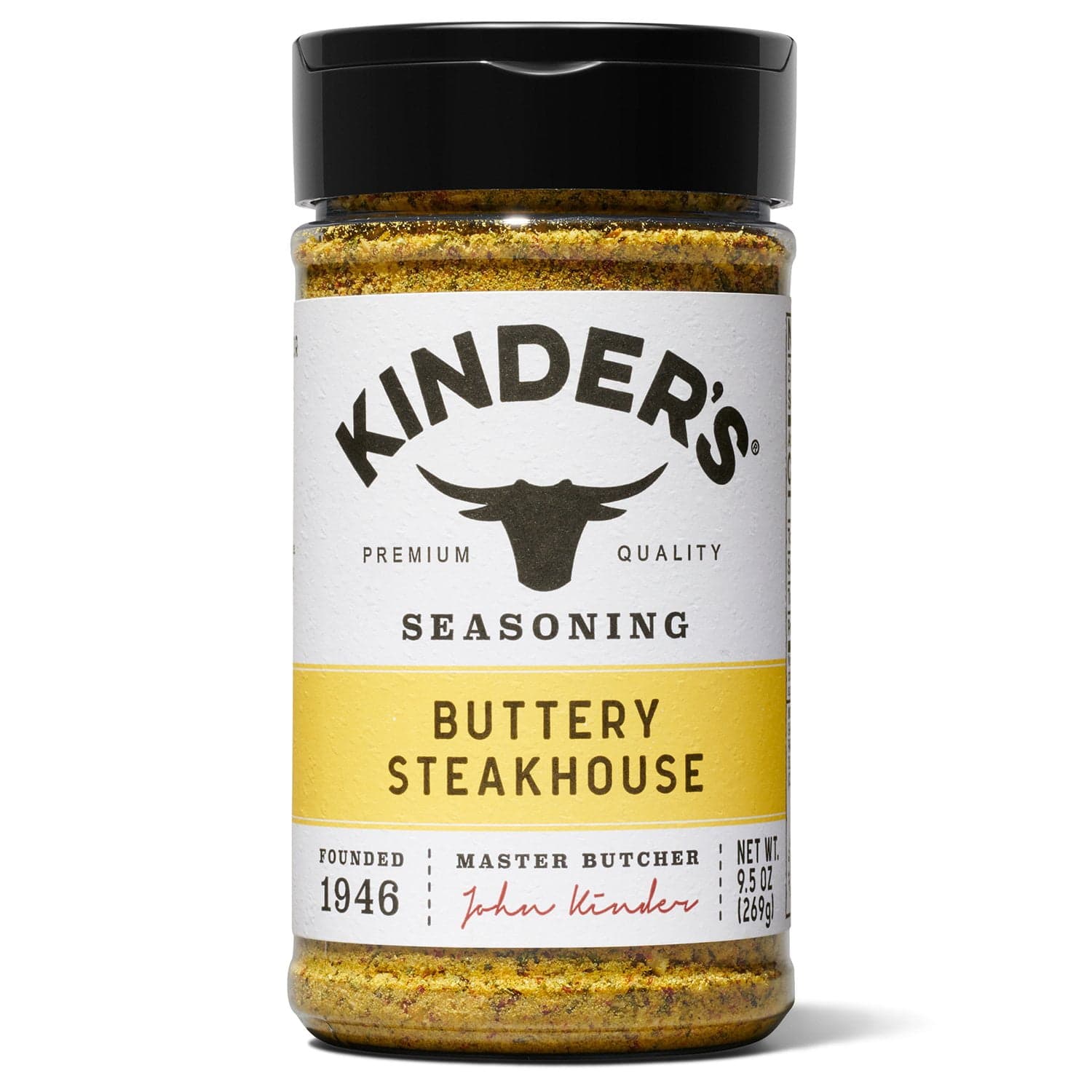
Shop the products mentioned in this article
Free shipping on every order. No minimums, no gimmicks.