Japanese Rice Bowls: 5 Flavor Builds in 15 Minutes
Japanese rice bowls deliver bold umami flavors in under 15 minutes. Learn five simple flavor builds using pantry staples, grilled proteins, and sauces you already love.
Japanese rice bowls are having a moment—and for good reason. They deliver restaurant-quality flavor in the time it takes to order takeout, using ingredients you probably already have in your pantry. Whether you're grilling chicken thighs, searing steak, or just tossing together weeknight leftovers, these five flavor profiles turn plain rice into a meal worth posting about.
The beauty of donburi (the Japanese term for rice bowl dishes) lies in its simplicity. You don't need specialty equipment or hard-to-find ingredients. A good protein, hot rice, and the right sauce or seasoning combination can create layers of umami that rival any restaurant. Let's break down five proven flavor builds that come together in 15 minutes or less.
What Makes a Japanese Rice Bowl Work
Before we dive into specific builds, let's talk structure. Every great rice bowl follows the same basic architecture: a base of short-grain white or brown rice, a protein cooked with intention, fresh or pickled vegetables for texture, and a sauce or seasoning that ties everything together.
The rice itself matters more than most people think. Japanese short-grain rice has a sticky, slightly sweet quality that holds sauce beautifully. If you're using a rice cooker, you're already ahead. If not, the stovetop method works fine—just rinse your rice until the water runs clear, use a 1:1.2 ratio of rice to water, and let it steam covered for 12 minutes after it comes to a boil.
For protein, think about what cooks fast and takes on flavor well. Thinly sliced steak, chicken thighs, ground pork, salmon, or even crispy tofu all work. The goal is high heat, quick cooking, and plenty of surface area for caramelization. This is where your grill, cast iron skillet, or even air fryer becomes your best friend.
Flavor Build #1: Classic Teriyaki Chicken Bowl
This is the gateway rice bowl—familiar, craveable, and endlessly adaptable. Start with boneless chicken thighs (they stay juicier than breasts and cook faster). Season them lightly with salt and pepper, then grill or pan-sear over medium-high heat until you get golden-brown edges, about 4–5 minutes per side.
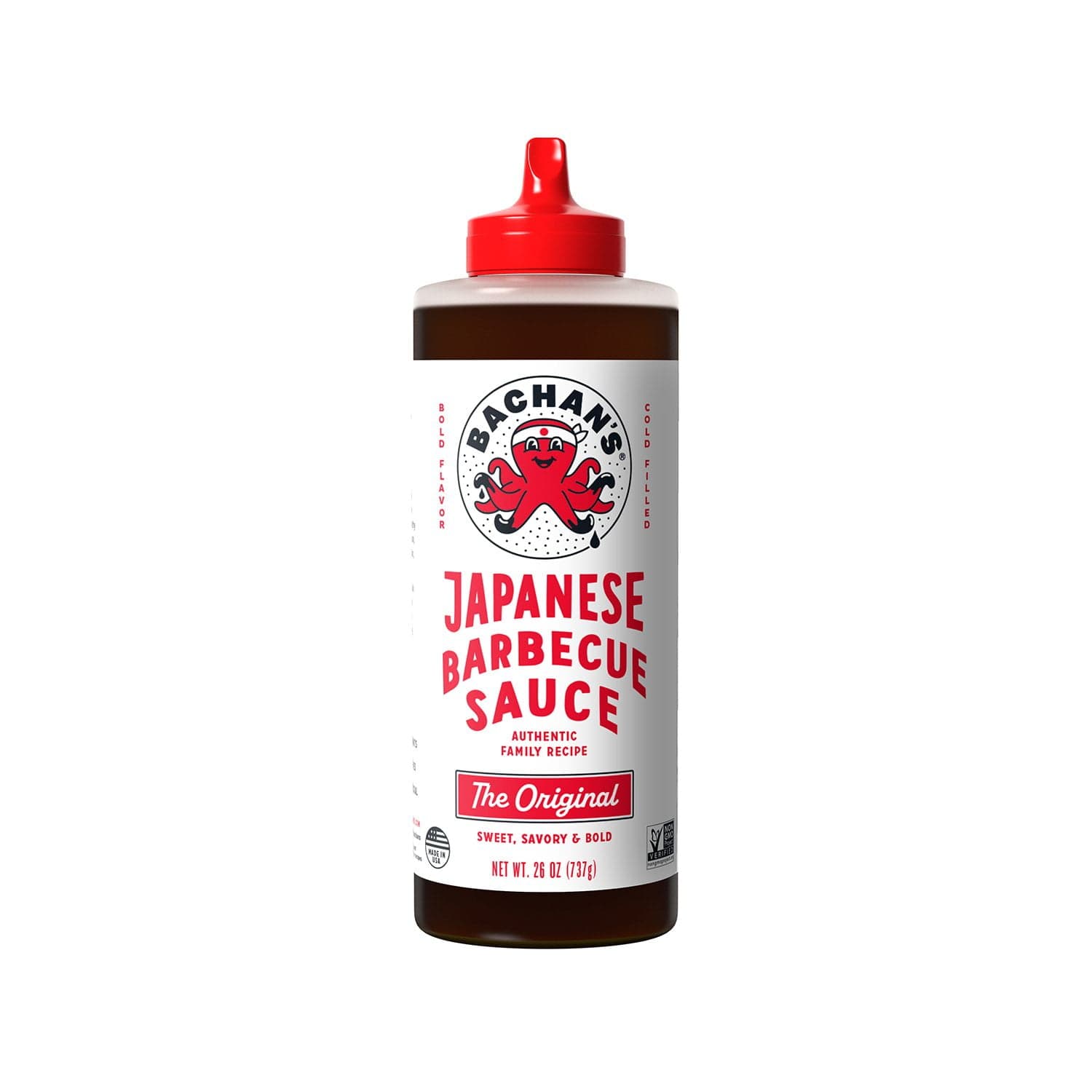
While the chicken rests, make a quick teriyaki glaze. If you have Bachan's Original Japanese BBQ Sauce on hand, you're already done—it's a perfect balance of soy, ginger, and sweetness that clings to protein without being cloying. Warm a few tablespoons in a small pan until it thickens slightly, then slice your chicken and toss it in the glaze.
Serve over rice with steamed broccoli, shredded cabbage, or quick-pickled cucumber. Garnish with sesame seeds and sliced green onion. The whole process—from raw chicken to finished bowl—takes about 12 minutes if your rice is already cooked.
Pro Tips for Teriyaki Bowls
- Let your chicken rest for 3 minutes before slicing to keep it juicy.
- Add a drizzle of sriracha mayo or a soft-cooked egg for extra richness.
- Use leftover grilled chicken from last night's dinner to cut cook time to under 5 minutes.
- Toast your sesame seeds in a dry pan for 30 seconds to wake up their nutty flavor.
Flavor Build #2: Korean-Inspired Gochujang Beef Bowl
If you love the sweet-spicy-funky profile of Korean BBQ, this bowl delivers it without the tableside grill. Grab a ribeye, sirloin, or flank steak and slice it thin against the grain (partially freezing it for 15 minutes makes this easier). Toss the beef with a little oil, soy sauce, and a spoonful of gochujang (Korean fermented chili paste).
Sear the beef in a screaming-hot skillet or on a grill grate for 1–2 minutes per side. You want caramelization, not stewing. Remove it before it overcooks—residual heat will finish the job.
For an even quicker option, try Kinder's Sweet & Spicy Korean Wing Sauce as a finishing glaze. It has the same gochujang punch with added sweetness and garlic that works beautifully on beef. Toss your seared meat in a tablespoon or two right before plating.
Top your bowl with kimchi, shredded carrots, a fried egg, and a handful of fresh cilantro. The runny yolk mixes with the sauce and rice to create a creamy, umami-rich bite. This is one of those bowls that tastes better than it has any right to given how little effort it requires.
Vegetables That Work in Korean Bowls
- Kimchi (store-bought is fine—look for naturally fermented brands)
- Quick-pickled daikon or cucumber (rice vinegar, sugar, salt, 10-minute soak)
- Sautéed spinach with garlic and sesame oil
- Shredded romaine or napa cabbage
- Roasted or raw shredded carrots
Flavor Build #3: Garlic Butter Shrimp Bowl
Shrimp cooks in under 3 minutes, which makes this one of the fastest rice bowls you can build. Use large or jumbo shrimp (peeled and deveined) and pat them completely dry with paper towels—this ensures they sear instead of steam.
Heat a tablespoon of butter and a drizzle of oil in a skillet over high heat. Add your shrimp in a single layer and don't touch them for 90 seconds. Flip, then immediately hit them with minced garlic, a squeeze of lemon, and a pinch of red pepper flakes. Cook another 60–90 seconds until just opaque.
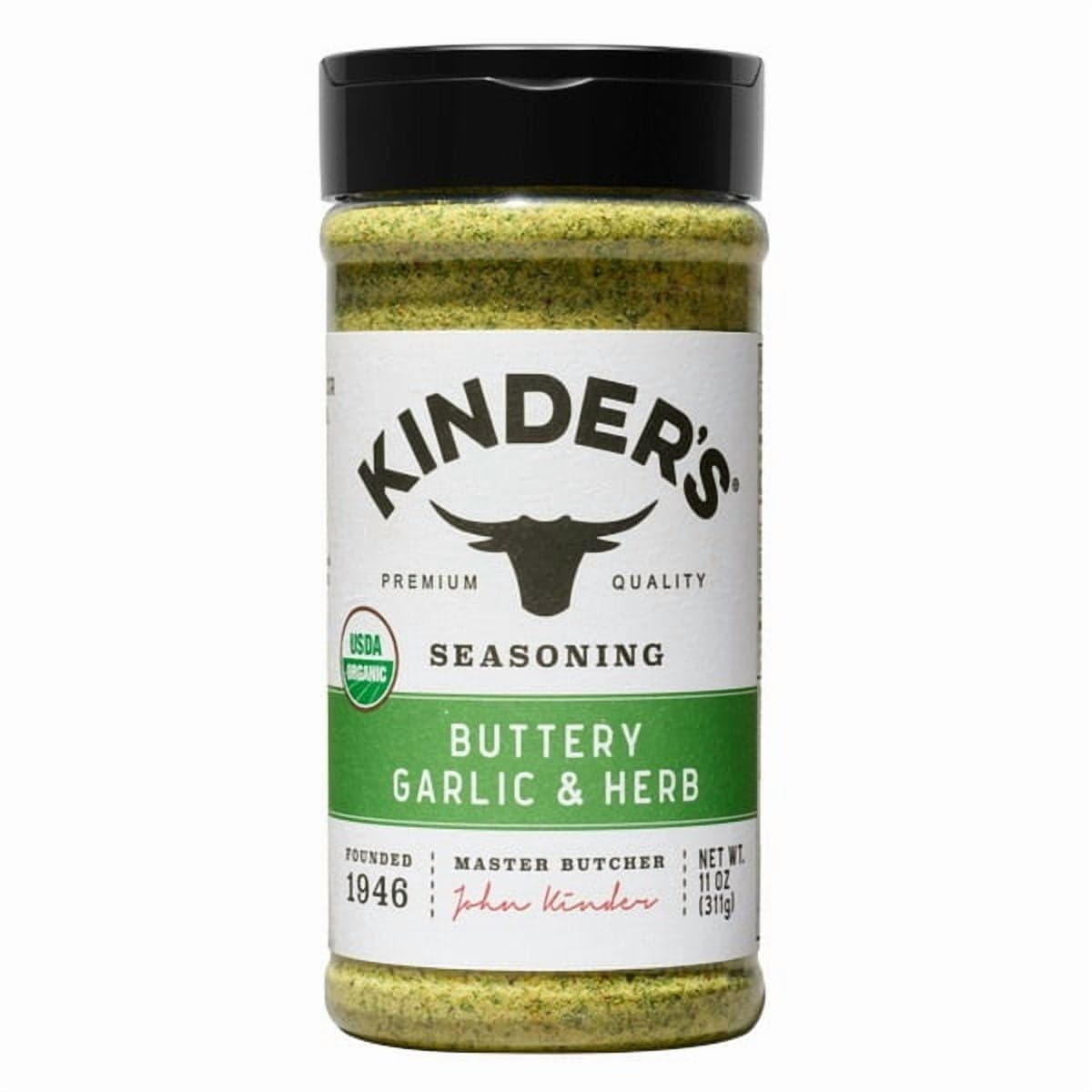
If you want to skip the garlic prep, reach for Kinder's Organic Garlic Butter Seasoning. Toss the cooked shrimp with a teaspoon of the seasoning and a little melted butter for an instant garlic-butter glaze that coats every piece. The seasoning brings roasted garlic, parsley, and a hint of black pepper without any of the chopping.
Serve over rice with steamed edamame, snap peas, or sautéed bok choy. A drizzle of soy sauce or ponzu (a citrus-soy sauce) ties it all together. Add furikake (a Japanese seaweed-sesame seasoning) if you have it, or just use sesame seeds and nori strips.
Flavor Build #4: Miso-Glazed Salmon Bowl
Salmon is a rice bowl MVP because it's rich, flaky, and takes on glaze like a dream. You can bake, pan-sear, or grill it—all three methods work in under 10 minutes.
For a quick miso glaze, whisk together 2 tablespoons white or yellow miso paste, 1 tablespoon mirin (or honey), 1 tablespoon soy sauce, and a teaspoon of sesame oil. Brush it on your salmon fillet and cook skin-side down in a hot skillet for 4 minutes, then flip and cook another 2–3 minutes until the glaze caramelizes.
If you're grilling, the same glaze works beautifully on a cedar plank or directly on oiled grates. Just watch it closely—the sugars in miso and mirin can burn fast.
Pair this with rice, avocado slices, cucumber, and a handful of greens like arugula or spinach. The creamy avocado balances the salty-sweet glaze, and the greens add a fresh, peppery bite. A sprinkle of toasted sesame seeds and a wedge of lime finish it off.
Make-Ahead Trick
Mix a double or triple batch of miso glaze and store it in the fridge for up to two weeks. Use it on salmon, chicken, pork chops, or even roasted vegetables. It's one of those sauces that makes everything taste like you tried harder than you did.
Flavor Build #5: Spicy Mayo Chicken Katsu-Style Bowl
Traditional chicken katsu involves breading and deep-frying, which isn't exactly a 15-minute weeknight move. But you can get close with panko-crusted chicken cooked in a shallow layer of oil or even air-fried.
Pound chicken breasts or thighs to an even thickness (about ½ inch). Season with salt and pepper, dredge in flour, dip in beaten egg, then coat in panko breadcrumbs. Pan-fry in a half-inch of oil over medium-high heat for 3–4 minutes per side until golden and cooked through. If you're using an air fryer, spray the breaded chicken with oil and cook at 400°F for 10 minutes, flipping halfway.
The magic happens with the sauce. Mix equal parts mayo and sriracha (adjust the heat to your taste), then thin it slightly with a splash of rice vinegar or lime juice. Drizzle this over the sliced chicken and rice. Add shredded cabbage, pickled ginger, and a few slices of tomato or cucumber for crunch and acidity.
This bowl hits all the same notes as a katsu curry plate but comes together in a fraction of the time. It's crispy, creamy, spicy, and satisfying in a way that feels indulgent without the heavy lift.
Universal Tips for Building Better Rice Bowls in Less Time
Once you understand the formula, you can riff endlessly. Here are the strategies that make 15-minute rice bowls actually achievable on a Tuesday night when you're tired and hungry.
Batch-Cook Your Rice
Cook a big pot of rice on Sunday and store it in the fridge for up to five days. Cold rice actually works better for some bowls because it doesn't get mushy when you add hot protein and sauce. Reheat it in the microwave with a damp paper towel over the top, or fry it quickly in a pan with a little oil for a crispy texture.
Prep Your Proteins in Advance
Marinate chicken, slice steak, or portion salmon on the weekend. Store everything in the fridge or freezer so you can grab, cook, and eat without the mental load of meal planning every night. Even 30 minutes of Sunday prep saves you 10 minutes every weeknight.
Keep Sauces and Seasonings Accessible
Your pantry is your secret weapon. Bottles of Japanese BBQ sauce, gochujang, miso paste, ponzu, and versatile seasonings like Momofuku Savory Seasoned Salt can transform plain protein and rice into a legitimate meal. Momofuku's seasoned salt, in particular, brings tamari, kombu, and mushroom powder—all the umami you need in one shake.
Don't Skip the Garnishes
Green onions, sesame seeds, nori, pickled ginger, and fresh herbs (cilantro, shiso, or Thai basil) add visual appeal and flavor complexity. They take 30 seconds to add and make your bowl look and taste restaurant-quality.
Use High Heat
Whether you're grilling, searing, or stir-frying, high heat is your friend. It caramelizes proteins quickly, concentrates flavors, and cuts cook time. Just make sure your pan or grill is fully preheated before you add food, and don't overcrowd the cooking surface.
Troubleshooting Common Rice Bowl Problems
Even simple dishes have pitfalls. Here's how to avoid the most common mistakes that turn a quick meal into a disappointing one.
Problem: Dry, Bland Rice
If your rice tastes like cardboard, you either didn't season it or you overcooked it. Add a pinch of salt to the cooking water, and consider stirring in a splash of rice vinegar and a little sugar after it's cooked (this is how sushi rice gets its subtle tang). If your rice is too dry, sprinkle it with water and microwave it covered for 60 seconds to rehydrate.
Problem: Overcooked Protein
Chicken, steak, and seafood all cook faster than you think, especially when sliced thin. Use a meat thermometer if you're unsure—chicken thighs are done at 165°F, steak is medium-rare at 130°F, and shrimp turn opaque in under 3 minutes. Pull everything off the heat a few degrees early; carryover cooking will finish the job.
Problem: Watery, Messy Bowl
This happens when you add too much sauce or use vegetables with high water content (like tomatoes or cucumbers) without draining them. Pat vegetables dry, let hot proteins rest before slicing, and add sauce gradually. You can always add more—you can't take it back.
Problem: Boring Flavor
If your bowl tastes flat, you're probably missing acid, salt, or fat. A squeeze of lime or lemon, a dash of soy sauce, or a drizzle of sesame oil can completely transform the dish. Don't be afraid to taste and adjust before you serve.
Mix-and-Match Ingredient Matrix
Once you've tried these five builds, use this matrix to create your own combinations. Pick one from each column and you'll have a balanced, flavorful bowl every time.
Protein
- Grilled chicken thighs
- Seared steak (ribeye, sirloin, flank)
- Pan-seared or baked salmon
- Shrimp (grilled, sautéed, or air-fried)
- Ground pork or beef
- Crispy tofu
- Soft-cooked or fried egg
Sauce or Seasoning
- Teriyaki or Japanese BBQ sauce
- Gochujang or Korean wing sauce
- Miso glaze
- Spicy mayo
- Ponzu (citrus soy sauce)
- Garlic butter or garlic butter seasoning
- Soy sauce + sesame oil + rice vinegar
Vegetables
- Steamed broccoli or bok choy
- Shredded cabbage or lettuce
- Kimchi or quick-pickled cucumber
- Edamame
- Avocado
- Sautéed spinach or snap peas
- Shredded carrot
Garnishes
- Sesame seeds (white or black)
- Sliced green onion
- Nori strips or furikake
- Pickled ginger
- Fresh cilantro, shiso, or Thai basil
- Lime or lemon wedge
- Chili flakes or shichimi togarashi
Why Japanese Rice Bowls Work for Weeknight Cooking
The reason these bowls keep trending on TikTok, Instagram, and Google isn't just because they look good in photos (though they do). It's because they solve the core weeknight dinner problem: how do you make something satisfying, flavorful, and relatively healthy without spending an hour in the kitchen?
Japanese rice bowls check every box. They're endlessly customizable, so you can use what you have on hand. They scale easily from one person to a family of four. They don't require a sink full of dishes—most of the time, you're cooking in one pan. And they're forgiving. Mess up the timing on your chicken? The sauce will cover it. Forgot to buy bok choy? Use whatever green vegetable is in your crisper.
They also deliver on flavor in a way that feels special without being complicated. The combination of umami-rich sauces, caramelized proteins, and fresh garnishes hits multiple taste receptors at once. That's why a simple bowl of rice, chicken, and teriyaki sauce can feel just as satisfying as a multi-course meal.
Level Up Your Rice Bowl Game
Once you've mastered the basics, there are a few easy upgrades that take these bowls from good to unforgettable.
Add a Fried or Soft-Cooked Egg
A runny yolk acts like a built-in sauce, adding richness and creaminess to every bite. Fry an egg in the same pan you used for your protein (no extra dishes), or soft-boil a batch on Sunday and keep them in the fridge for the week.
Toast Your Rice
Before you build your bowl, fry cold rice in a little oil or butter until the edges get crispy. This adds texture and a nutty flavor that makes even leftover rice taste fresh.
Use Multiple Sauces
Don't limit yourself to one flavor. Drizzle teriyaki on the chicken, spicy mayo on the vegetables, and a little sesame oil over the rice. Layering sauces creates complexity and keeps every bite interesting.
Experiment with Rice Alternatives
Try cauliflower rice for a low-carb option, quinoa for extra protein, or mixed grains for added texture. Japanese bowls are flexible enough to handle almost any base.
Start Building Your Bowl Tonight
Japanese rice bowls aren't just a trend—they're a sustainable, realistic way to cook better food at home without the stress. Pick one of these five flavor builds, grab the ingredients you need, and give yourself 15 minutes. You'll be surprised how much flavor you can pack into a single bowl with the right technique and a few quality sauces or seasonings.
Whether you're grilling chicken for a classic teriyaki bowl, searing steak for a Korean-inspired build, or tossing shrimp in garlic butter, the formula is the same: hot rice, bold protein, fresh vegetables, and a sauce that ties it all together. Master that, and you'll never run out of weeknight dinner ideas.
Ready to stock your pantry with the sauces and seasonings that make these bowls work? Check out our collection of Japanese BBQ sauces, Korean glazes, and versatile seasonings that turn simple ingredients into restaurant-quality meals in minutes.
Shop the products mentioned in this article
Free shipping on every order. No minimums, no gimmicks.