What r/BBQ Teaches Us About Better Backyard Grilling in 2025
The r/BBQ subreddit is a treasure trove of real grilling wisdom. We break down the top lessons, mistakes to avoid, and essential seasonings every home griller needs.
The r/BBQ subreddit has become one of the internet's most authentic sources for grilling advice, troubleshooting, and inspiration. With over a million members sharing smoke ring photos, temp failures, and hard-won tips, it's a masterclass in what actually works when you're cooking over fire. Whether you're a weekend warrior or just bought your first offset smoker, the collective wisdom of r/BBQ offers lessons you won't find in glossy cookbooks.
We spent hours digging through top posts, comment threads, and community debates to pull out the most valuable takeaways for home grillers. Here's what the subreddit gets right about backyard BBQ—and how you can use that knowledge to level up your next cookout.
The Core Philosophy: Temperature Over Time
One principle dominates r/BBQ: internal temperature is king. Beginners ask about cook times constantly, but veterans always redirect to probe thermometers. A brisket isn't done at hour twelve—it's done when it hits 203°F and probes like butter. Chicken thighs aren't ready because the recipe says thirty minutes—they're ready at 175°F.
This shift in mindset separates mediocre backyard cooks from great ones. Weather, fuel type, airflow, meat thickness, and starting temp all affect how long something takes. The only reliable indicator is an accurate read on internal temperature.
If you don't own an instant-read thermometer and a leave-in probe, that's your first upgrade. The subreddit recommends digital models with fast response times. Analog dial thermometers are notoriously inaccurate and slow, leading to overcooked chicken and undercooked pork.
The Stall Is Real (And You Should Embrace It)
Few topics generate as much confusion as "the stall." When smoking large cuts like pork shoulder or brisket, the internal temp will climb steadily—then suddenly plateau for hours around 150–170°F. Panicked first-timers flood r/BBQ thinking their smoker died or the meat is ruined.
The stall happens because evaporative cooling on the meat's surface temporarily balances the heat input. It's completely normal. The subreddit's advice: don't crank the heat. Don't panic. Either wait it out or wrap the meat in butcher paper or foil (the "Texas crutch") to push through faster.
Wrapping sacrifices some bark crispness but speeds things up and keeps the meat moist. Many experienced pitmasters on r/BBQ wrap brisket once it hits 165°F, then unwrap for the last thirty minutes to firm up the bark. Experiment to find your preference, but trust the process.
Rubs Should Be Simple (Most of the Time)
Scroll through r/BBQ and you'll see a recurring theme: salt, pepper, garlic. The "SPG" trio shows up on brisket, ribs, chicken, and pork. Why? Because good meat doesn't need to be buried under twelve spices.
That said, the subreddit also celebrates regional styles. Memphis-style ribs get a sweet-heat rub. Carolina pulled pork gets vinegar-based finishing sauce. Kansas City ribs are slathered in thick, molasses-rich glaze. The lesson isn't that complexity is bad—it's that complexity should serve the meat, not mask it.
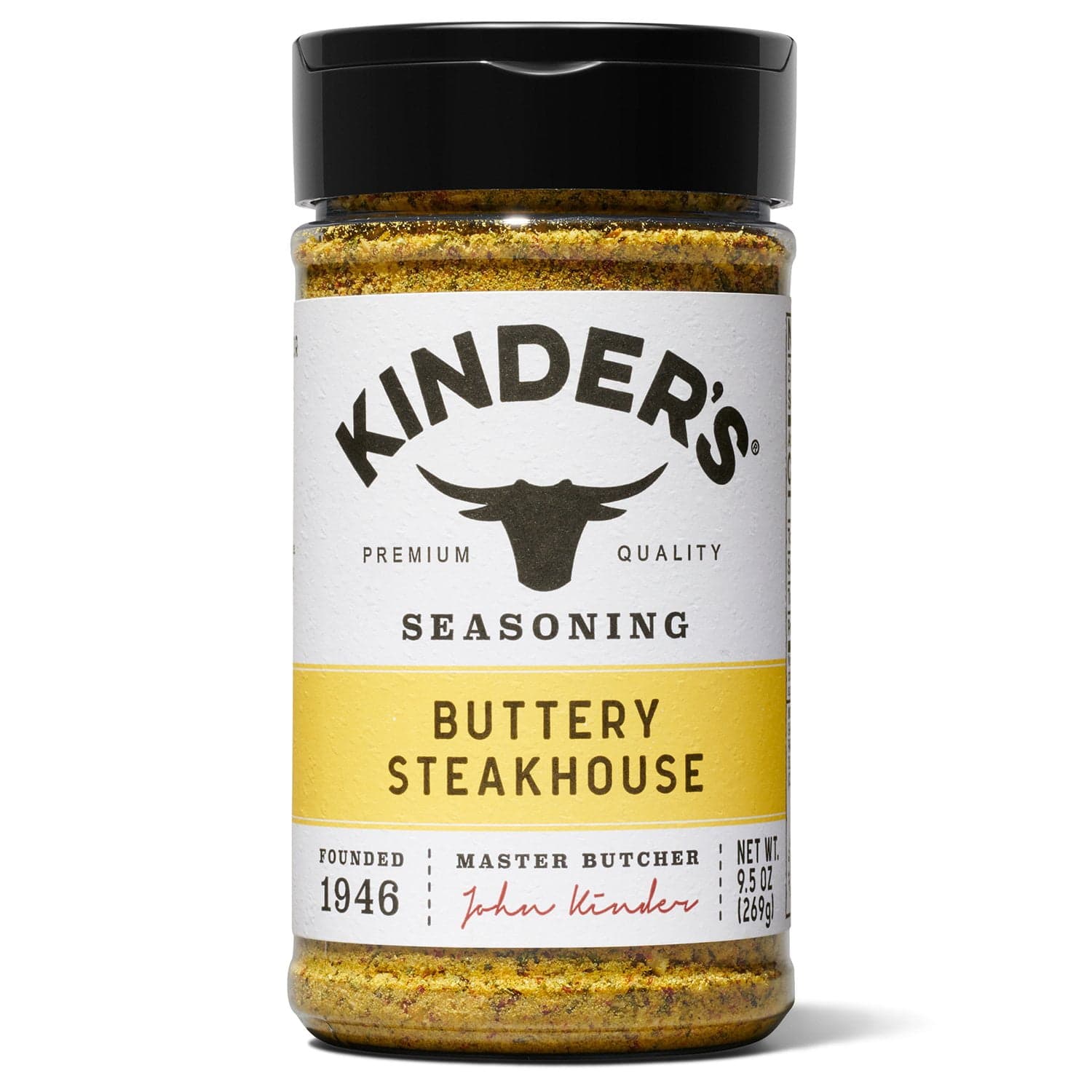
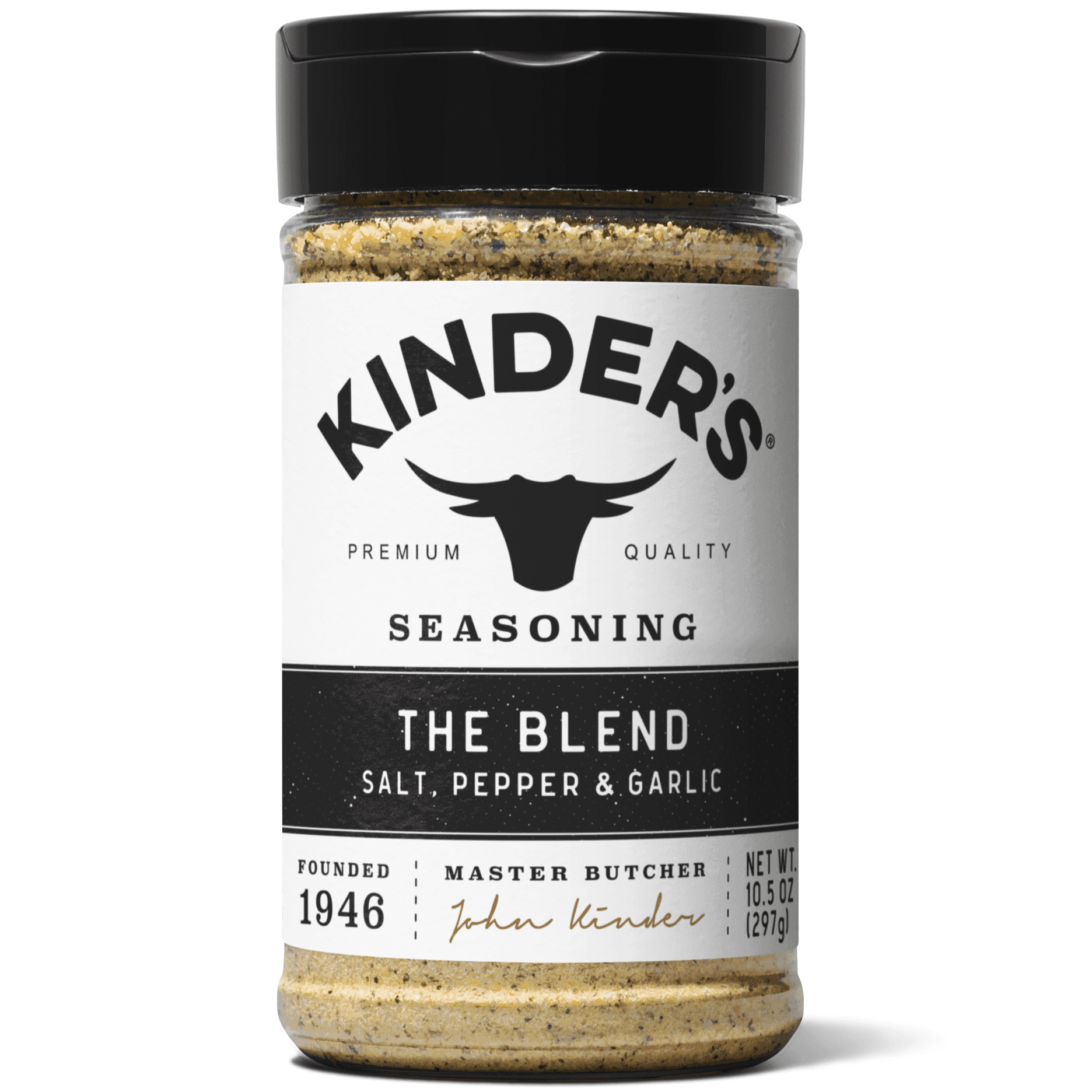
If you want a versatile, crowd-pleasing rub that works on nearly everything, Kinder's The Blend is a solid starting point. It delivers that SPG backbone with balanced garlic flavor and just enough pepper bite to enhance beef, pork, and chicken without overpowering smoke. For something richer with a steakhouse edge, Kinder's Buttery Steakhouse Seasoning adds savory depth and works beautifully on brisket, tri-tip, and thick-cut ribeyes.
Mistakes Beginners Make (According to the Pros)
The r/BBQ community has seen every rookie error. Here are the most common, along with how to avoid them:
Opening the Lid Too Often
Every time you lift the lid, you lose heat and extend cook time. The subreddit mantra: "If you're lookin', you ain't cookin'." Invest in a leave-in thermometer with a remote display so you can monitor temps without opening the chamber.
Using Lighter Fluid on Charcoal
Lighter fluid imparts a chemical taste that lingers on meat. Instead, use a charcoal chimney starter. It's faster, cleaner, and doesn't ruin your $40 ribeye.
Not Letting Meat Rest
Pulling brisket or steak off the grill and slicing immediately causes all the juices to run out onto the cutting board. Let large cuts rest for at least fifteen minutes, tented loosely with foil. For brisket, some r/BBQ users rest for a full hour in a cooler (the "faux Cambro" method).
Sauce Too Early
Most BBQ sauces contain sugar, which burns quickly over direct heat. If you're grilling chicken or ribs with sauce, apply it in the last ten to fifteen minutes. For low-and-slow smoking, sauce goes on at the very end or is served on the side.
Skipping the Water Pan
In offset smokers and bullet smokers, a water pan helps regulate temperature and adds moisture to the cook chamber. Many beginners skip it, then wonder why their pork shoulder comes out dry. Fill the pan with hot water before you start.
The Smoke Ring Debate: Does It Matter?
One of r/BBQ's most heated (pun intended) debates centers on the smoke ring—that pink layer just under the bark. Purists argue it's a hallmark of proper smoking. Skeptics say it's purely cosmetic and doesn't affect flavor.
Scientifically, the smoke ring forms when nitrogen dioxide from burning wood reacts with myoglobin in the meat. It stops forming once the surface temp exceeds about 140°F, which is why low-and-slow methods produce better rings than hot-and-fast grilling.
The subreddit consensus: a smoke ring looks impressive in photos and signals good technique, but it's not the ultimate measure of quality. Taste, texture, and tenderness matter more. That said, if you want to maximize your ring, use real wood (not gas), keep your fire clean-burning, and don't wrap too early.
Wood Choice Actually Matters
Gas and charcoal grills are convenient, but wood selection becomes critical when you're smoking. Different woods impart distinct flavors, and r/BBQ has strong opinions:
- Oak: Mild, versatile, great for beef and pork. The default choice in Texas BBQ.
- Hickory: Stronger, bacon-like flavor. Can be overpowering if you use too much. Works well with pork and ribs.
- Apple: Sweet, mild, fruity. Popular for poultry and pork. Burns clean.
- Cherry: Adds a subtle sweetness and a beautiful mahogany color to the bark. Excellent with chicken and pork.
- Mesquite: Intense, earthy, almost bitter. Best used sparingly or for hot, fast cooks like steak. Overpowering on long smokes.
- Pecan: Similar to hickory but milder. Versatile and increasingly popular.
Avoid softwoods like pine or cedar—they produce sooty, resinous smoke that makes meat taste like a campfire gone wrong. Stick to hardwoods, and if you're new, start with oak or fruitwoods. They're forgiving.
Ribs: The Gateway BBQ
If brisket is the final boss of BBQ, ribs are the tutorial level. They cook faster, they're more forgiving, and they deliver big flavor with less stress. The r/BBQ community loves ribs for good reason—they let you practice temperature control, smoke management, and bark development without committing twelve hours.
The two main styles are baby back ribs (shorter, leaner, more expensive) and spare ribs (larger, meatier, more forgiving). Spare ribs are usually the better choice for beginners because the extra fat keeps them moist even if you slightly overcook.
The subreddit's go-to method is the 3-2-1 technique: three hours unwrapped on smoke, two hours wrapped in foil with a little liquid (apple juice, beer, or butter), and one hour unwrapped to set the bark and apply sauce. Some users prefer 2-2-1 for baby backs, which are thinner.
Ribs are also a great canvas for experimenting with rubs. If you want a sweet-savory profile with caramelized edges, try Kinder's Hickory Brown Sugar Seasoning. It delivers classic BBQ flavor with a hint of molasses and pairs beautifully with pork ribs and pulled pork.
Grilling vs. Smoking: Know the Difference
One persistent point of confusion on r/BBQ is the difference between grilling and smoking. Grilling is hot and fast, usually over direct heat, ideal for steaks, burgers, and chicken breasts. Smoking is low and slow, usually indirect, perfect for tough cuts that need time to break down—brisket, pork shoulder, ribs.
You can smoke on a grill by setting up a two-zone fire (coals on one side, meat on the other) and adding wood chunks for smoke. You can also grill on a smoker by cranking the heat and cooking directly over the coals. But understanding the distinction helps you choose the right technique for the cut.
Thin, tender cuts benefit from high heat and short cook times. Thick, tough cuts need low heat and long cook times to render fat and break down connective tissue. Match your method to your meat.
The Brisket Obsession
No cut dominates r/BBQ like brisket. It's challenging, expensive, and unforgiving—but when you nail it, it's transcendent. The subreddit is filled with first-time brisket success stories and cautionary tales of dry, chewy failures.
The keys, according to the community:
- Buy choice or prime grade. Select-grade brisket is too lean and rarely turns out tender.
- Trim thoughtfully. Leave about a quarter-inch of fat on the flat. Remove the thick, hard fat cap on the point side.
- Season generously. Brisket is a big piece of meat. It can handle a heavy coat of rub.
- Cook fat-side up or down, but be consistent. There's no consensus, but most offset smoker users go fat-side down to protect the meat from direct heat.
- Wrap when the bark is set. Usually around 165°F.
- Pull it between 200–205°F. Probe tenderness matters more than exact temp. The probe should slide in like soft butter.
- Rest for at least an hour. Wrapped in a towel, in a cooler. This step is non-negotiable.
Brisket is a commitment, but the payoff is worth it. If you're serious about leveling up, study the subreddit's top brisket posts. The photos, the mistakes, the troubleshooting—they're all invaluable.
Don't Sleep on Chicken Thighs
Boneless, skinless chicken breasts dominate grocery stores, but r/BBQ knows better. Chicken thighs are fattier, more forgiving, cheaper, and far more flavorful. They hold up to smoke without drying out, and they take a wide range of seasonings.
For a simple, crowd-pleasing approach, season thighs with Kinder's Grilled Chicken Seasoning and grill them over medium-high heat until they hit 175°F. Let them rest for five minutes, and you've got juicy, caramelized chicken that beats anything from a chain restaurant.
Thighs also shine in skewer form, as wings alternatives, or smoked whole and pulled for tacos. They're versatile, budget-friendly, and nearly impossible to ruin. If you're new to BBQ, start here.
The Importance of Clean Grates
This seems obvious, but dirty grill grates are one of the top complaints on r/BBQ. Old grease and charred residue cause flare-ups, off flavors, and sticking. After every cook, scrape your grates while they're still warm. Before every cook, preheat the grill and scrape again. A clean surface means better sear and easier cleanup.
For stubborn buildup, heat the grates until the residue carbonizes, then scrub with a brass-bristle brush or a wadded ball of aluminum foil held with tongs. Never use a wire brush—stray bristles can break off and end up in food, which is a medical emergency waiting to happen.
Community Over Competition
One of the best things about r/BBQ is the culture. Unlike some cooking subreddits where elitism runs rampant, r/BBQ is overwhelmingly supportive. Beginners get helpful feedback, not mockery. Veterans share methods, not secrets. There's a genuine spirit of "we all just want to cook better meat."
That collaborative mindset is part of what makes BBQ so rewarding. You're not just following a recipe—you're learning a craft, refining your instincts, and sharing the results with people you care about. Every cook teaches you something. Every failure is data. Every success is worth celebrating.
Gear You Actually Need (And Gear You Don't)
The subreddit sees a lot of questions about must-have gear. Here's the honest breakdown:
You Need:
- A reliable grill or smoker (even a cheap kettle grill works)
- An instant-read thermometer (Thermapen or similar)
- A leave-in probe thermometer with remote display
- A charcoal chimney starter (if using charcoal)
- Good-quality lump charcoal or hardwood
- A sturdy pair of long tongs
- Heavy-duty grill gloves
You Don't Need (Yet):
- A $1,200 kamado grill for your first cook
- Specialty BBQ knives (a sharp chef's knife works fine)
- Bluetooth pellet grill controllers (nice, but not essential)
- Dozens of different rubs and sauces (master a few first)
Good BBQ comes from technique and patience, not expensive equipment. Start simple, learn the fundamentals, and upgrade as you identify what you actually need.
What's Trending on r/BBQ Right Now
As of early 2025, a few trends are dominating the subreddit:
Hot-and-fast brisket: Cooking brisket at 275–300°F instead of the traditional 225°F. It's faster, produces great bark, and many claim the texture is just as good.
Pork belly burnt ends: Cubed, seasoned pork belly smoked until caramelized and tender. They're rich, addictive, and all over the feed.
Smoked cream cheese: Season a block of cream cheese, smoke it for an hour, and serve with crackers. Simple, impressive, and a great appetizer while the main cook finishes.
Overnight brisket: Starting a brisket late at night so it's ready by noon the next day. Requires a stable smoker and a good night's sleep, but it's a game-changer for weekend hosting.
Dry brining: Salting meat 12–24 hours before cooking to boost moisture retention and flavor. It's not new, but it's having a moment as more home cooks realize how much it improves results.
Final Takeaways: Lessons from the Pit
r/BBQ isn't just a forum—it's a living library of what works, what doesn't, and why. The subreddit teaches patience, precision, and respect for the process. It reminds us that great BBQ isn't about tricks or shortcuts. It's about understanding heat, smoke, and time, then using that knowledge to coax maximum flavor from simple ingredients.
Whether you're smoking your first pork shoulder or perfecting your hundredth brisket, the lessons are the same. Use a thermometer. Don't rush. Keep your fire clean. Season with intention. Let the meat rest. And share what you learn.
Ready to put these lessons to work? Stock up on versatile, high-quality seasonings that let the smoke and the meat shine. Explore our full collection of Kinder's seasonings and find the blends that match your style. Your best backyard BBQ is just one cook away.
Shop the products mentioned in this article
Free shipping on every order. No minimums, no gimmicks.